<< This Month’s Freedom Day >>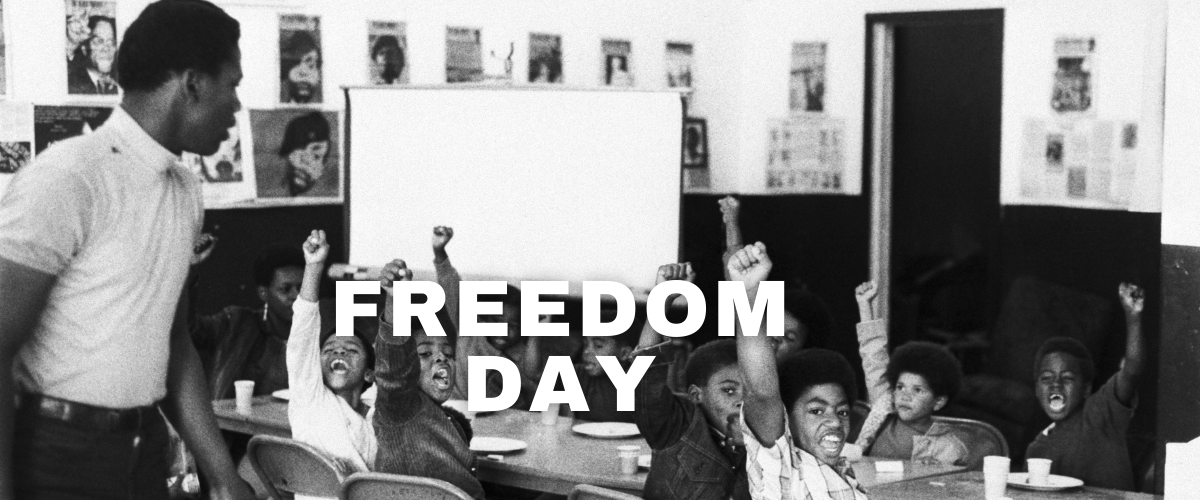
Freedom Day at NAAM is a monthly FREE admission day honoring history, culture, equity, and freedom. Each month, we spotlight significant and lesser-known moments that have helped shape the ongoing pursuit of freedom for all. Explore past features below.Dr. Martin Luther King’s “I Have a Dream Speech”
Honoring the Speech That Changed a Nation
63 years ago, Dr. Martin Luther King Jr. delivered his historic "I Have a Dream" speech, offering a powerful vision of justice, equality, and hope that continues to resonate today. On August 28, join us for a free admission day as we reflect on the enduring legacy of his words and the ongoing pursuit of a more just and united future.
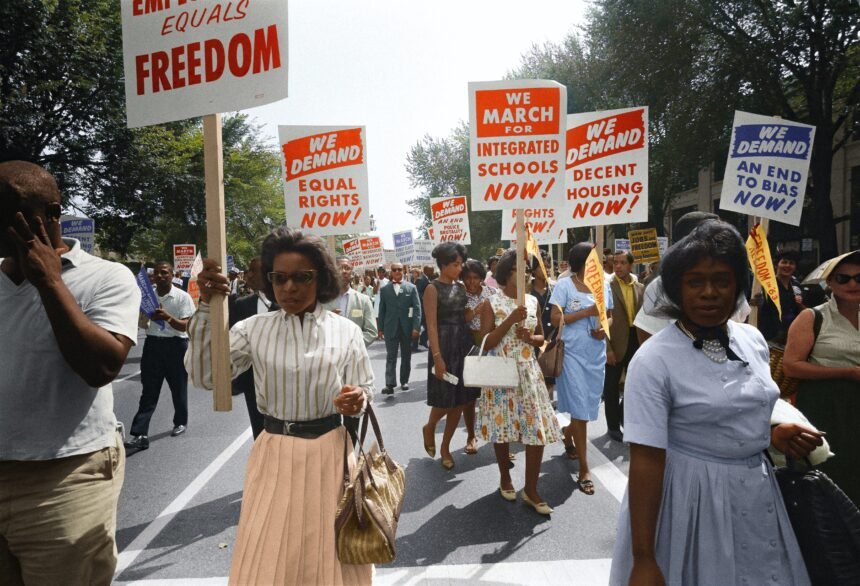
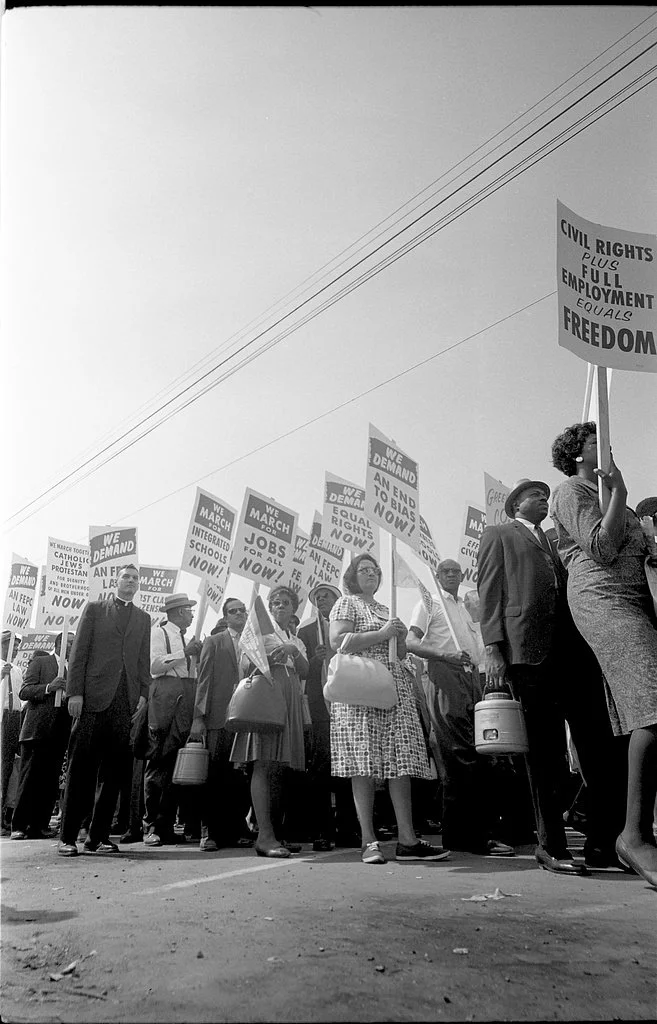
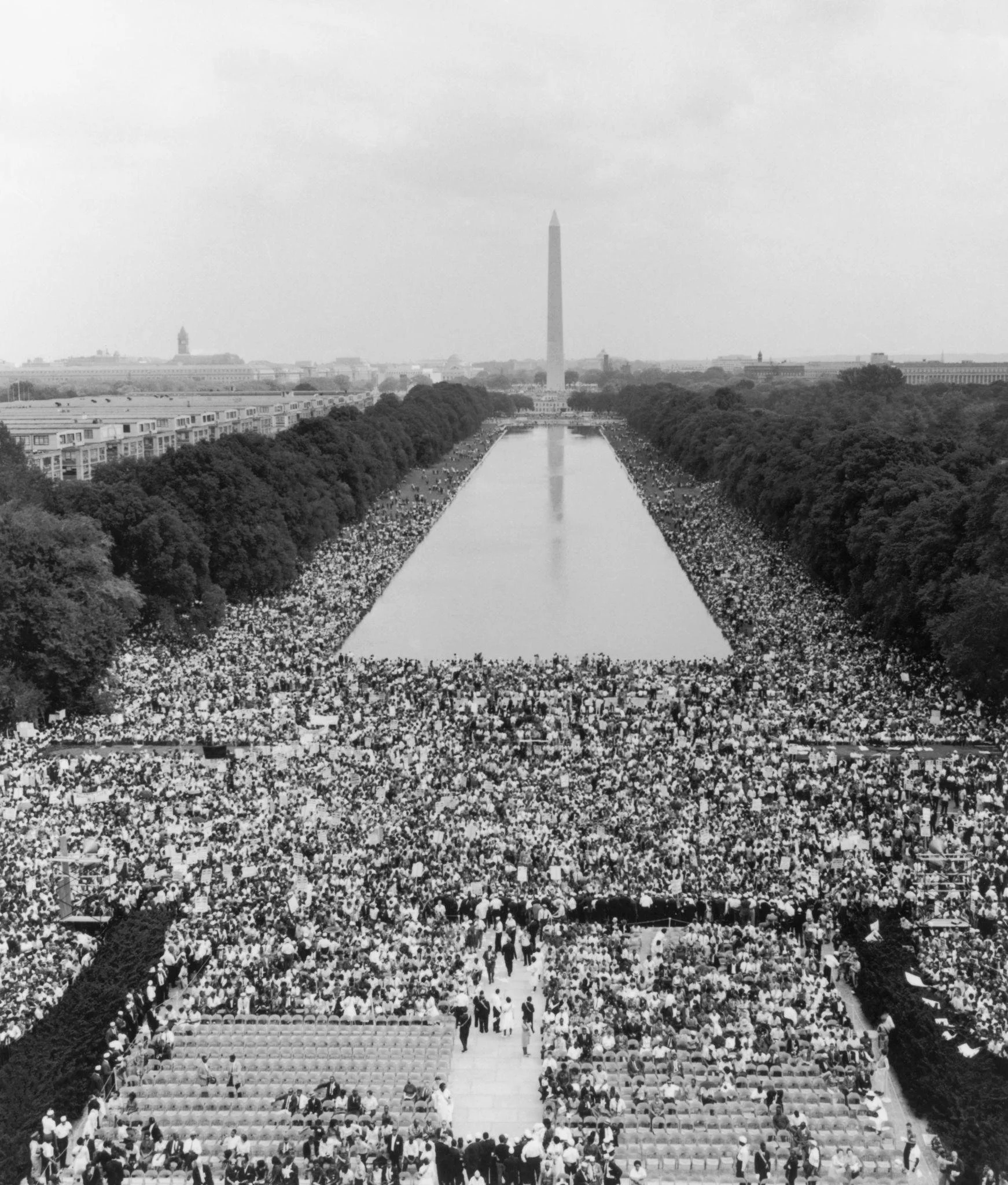
On August 28, 1963, Dr. Martin Luther King Jr. delivered his historic “I Have a Dream” speech from the steps of the Lincoln Memorial during the March on Washington for Jobs and Freedom. Approximately 250,000 people participated, making it the largest civil-rights demonstration in United States history to that point.
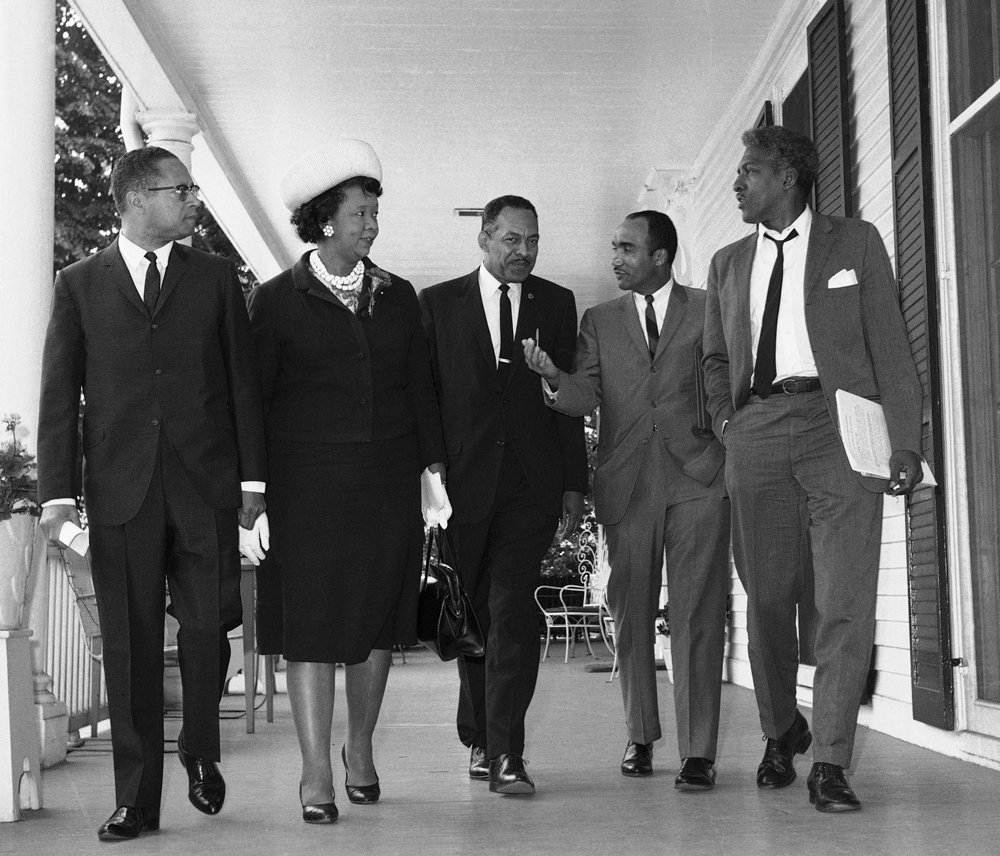
The march was organized principally by labor leader A. Philip Randolph and strategist Bayard Rustin. Its participants called for civil-rights legislation, voting protections, desegregated schools, fair employment, a federal jobs program, and a higher national minimum wage.
King’s speech was therefore more than a hopeful appeal for racial harmony. It was an urgent demand for political, social, and economic justice—and a challenge to America to fulfill its democratic promises.
“I Have a Dream”: Its Meaning and Why It Still Matters
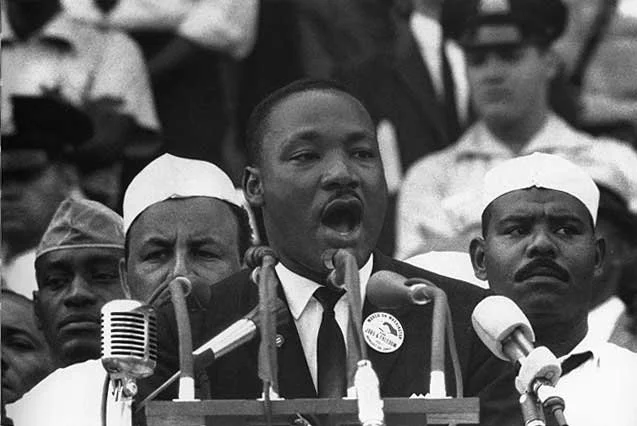
Dr. Martin Luther King Jr.
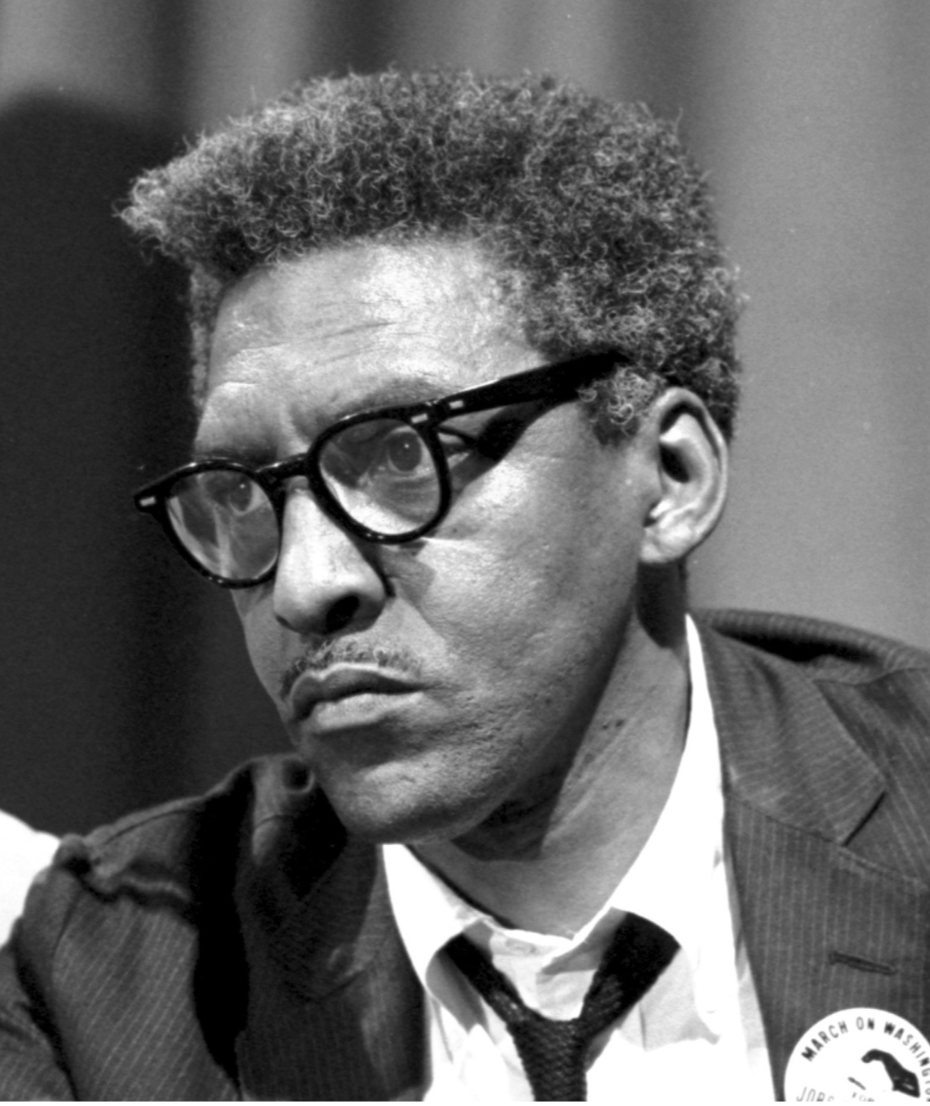
Bayard Rustin
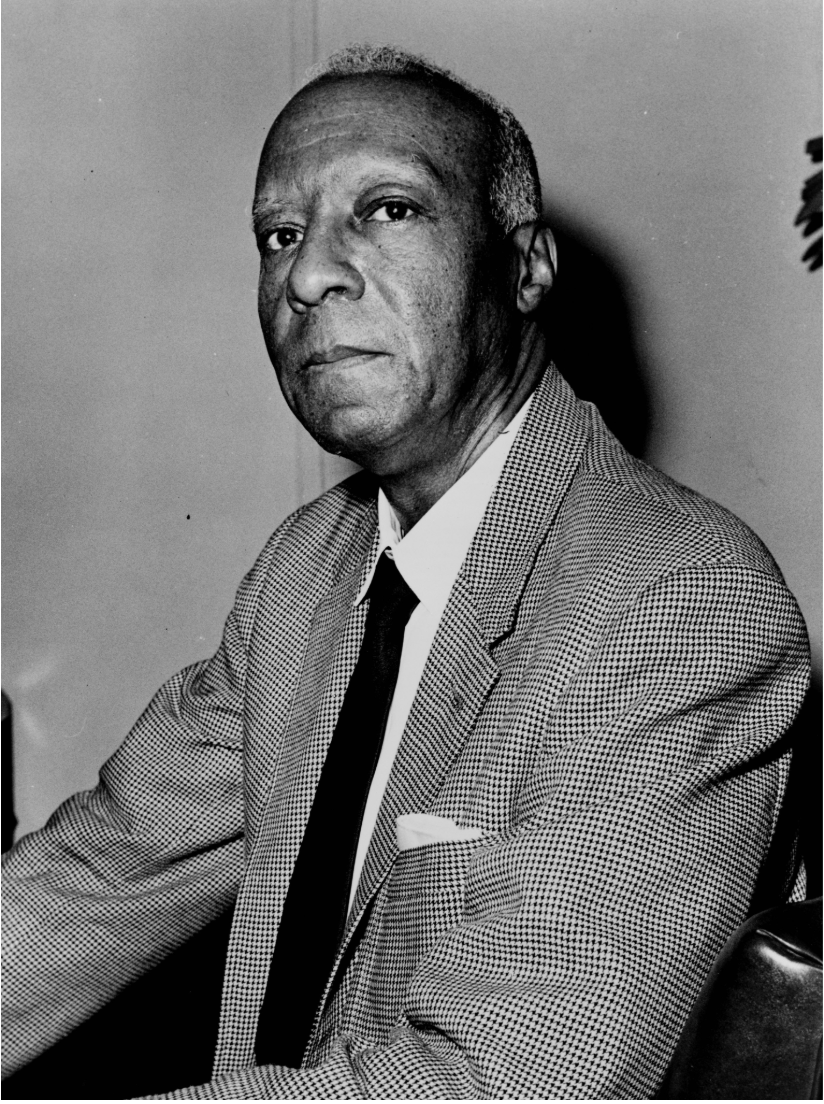
A. Philip Randolph
America’s Unfinished Freedom
King began by recalling the Emancipation Proclamation, issued by President Abraham Lincoln a century earlier. Although emancipation ended slavery as a legal institution, Black Americans continued to face segregation, discrimination, racial violence, economic inequality, and voter suppression.
His message was clear: abolishing slavery had not created full freedom. Black Americans were still denied equal access to education, employment, housing, public accommodations, political power, personal safety, and the protections of citizenship.
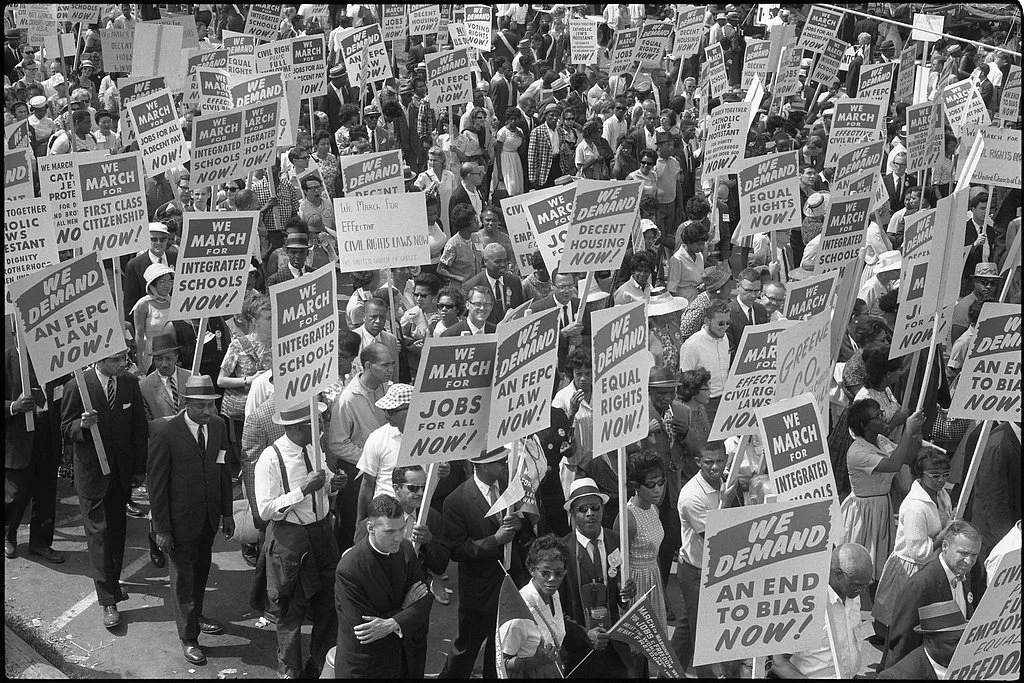
King described the Declaration of Independence and Constitution as a promissory note guaranteeing the rights of life, liberty, and the pursuit of happiness. He argued that America had failed to honor that promise for its Black citizens.
By describing the nation as having issued Black Americans a “bad check,” King presented racial justice as a debt the country already owed—not a favor that might someday be granted.
The marchers had come to demand that America make its democratic promises real.
America’s Broken Promise
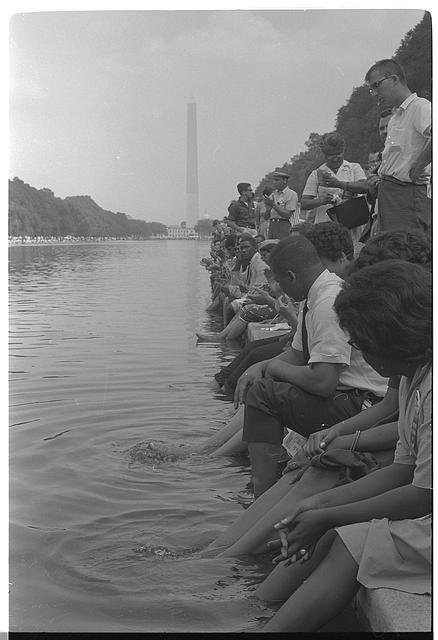
“Now Is The Time”
King strongly rejected the belief that Black Americans should wait patiently for equality. He warned against gradualism and declared that the time for justice was now.
The country could not return to normal while Black people continued to experience police brutality, voter suppression, poverty, restricted opportunity, segregated accommodations, and public humiliation. Lasting peace would not be possible without meaningful change.
King called upon the movement to continue through disciplined nonviolent resistance. His idea of “soul force” did not mean silence or passivity. It described the power of organized protest, boycotts, civic participation, public witness, coalition-building, and moral courage to confront injustice and transform society.
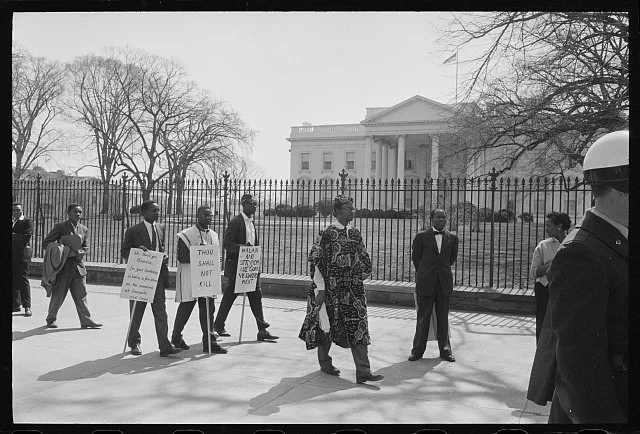
The Dream
King then described his dream of an America that would finally live according to its belief that all people are created equal.
He imagined places associated with segregation and racial oppression becoming communities of freedom and justice. He dreamed that his children would live in a nation where race would no longer determine their rights, safety, opportunities, dignity, or treatment.
King also imagined Black and white children joining hands and the descendants of enslaved people and enslavers sharing fellowship. This vision did not ask Americans to ignore race or forget history. It envisioned reconciliation made possible through truth, justice, and structural change.
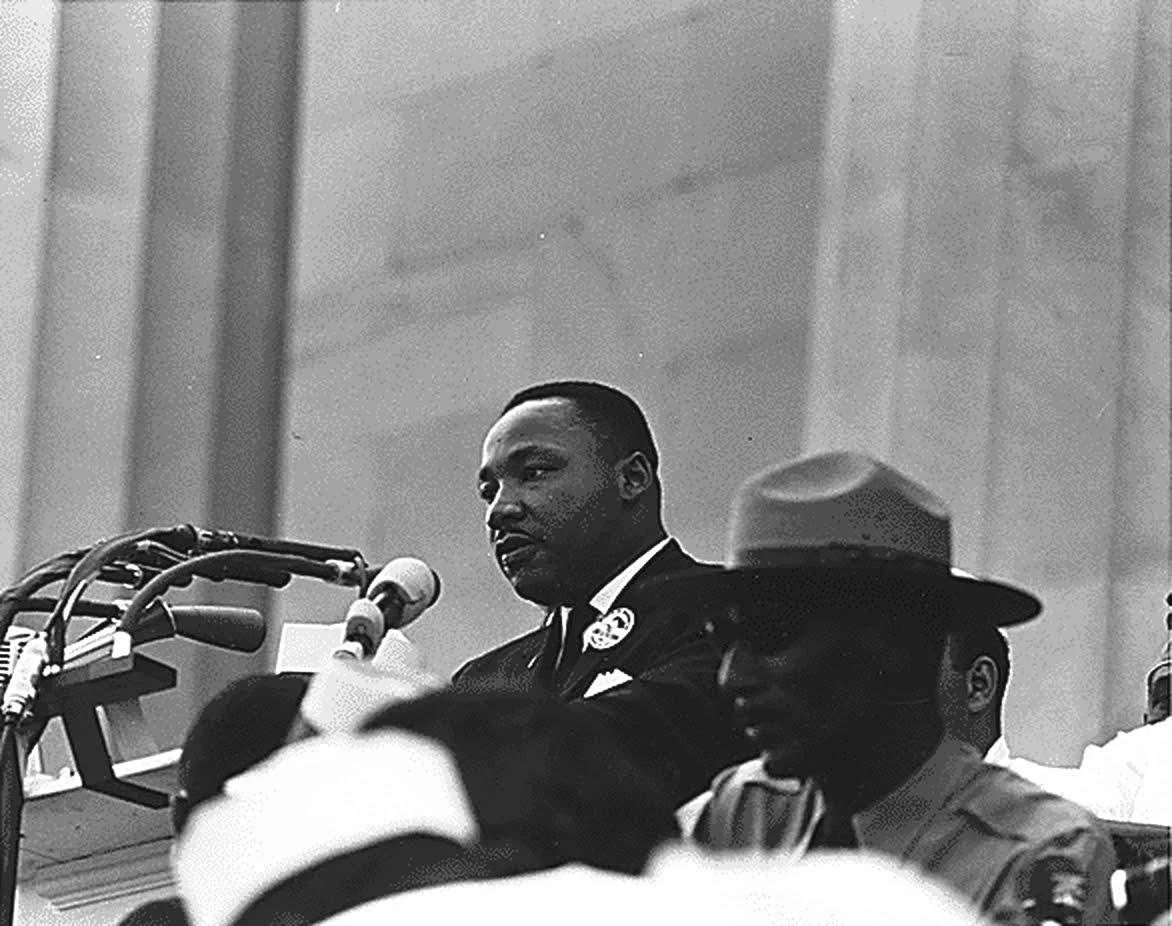
“Let Freedom Ring”
King then described his dream of an America that would finally live according to its belief that all people are created equal.
He imagined places associated with segregation and racial oppression becoming communities of freedom and justice. He dreamed that his children would live in a nation where race would no longer determine their rights, safety, opportunities, dignity, or treatment.
King also imagined Black and white children joining hands and the descendants of enslaved people and enslavers sharing fellowship. This vision did not ask Americans to ignore race or forget history. It envisioned reconciliation made possible through truth, justice, and structural change.
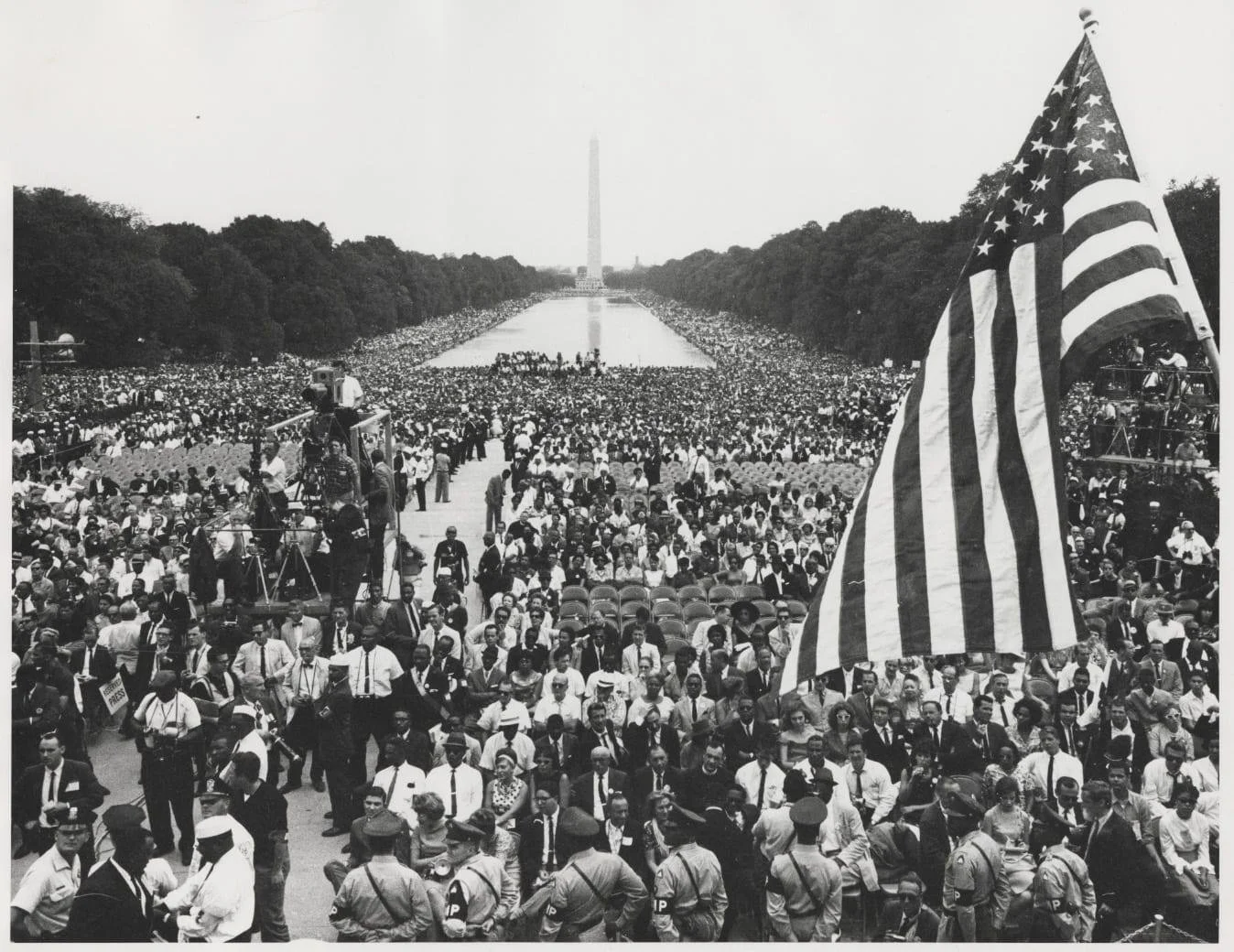
The Dream Endures
More than six decades later, the speech’s central challenge remains urgent: Will the United States make its promises of freedom, equality, opportunity, and justice real for everyone?
King’s speech continues to address questions that shape American life: Who can participate fully in democracy? Who has access to opportunity? Whose rights are protected? And will the nation confront the distance between its highest ideals and people’s lived experiences?
America’s Promise Remains Unfinished
King’s promissory-note metaphor remains meaningful wherever constitutional rights exist in principle but are not experienced equally in practice.
The speech invites every generation to examine the gap between what America says it believes and how its institutions treat people. King’s dream is therefore not only about remembering the past. It remains a standard by which the nation can measure its progress.
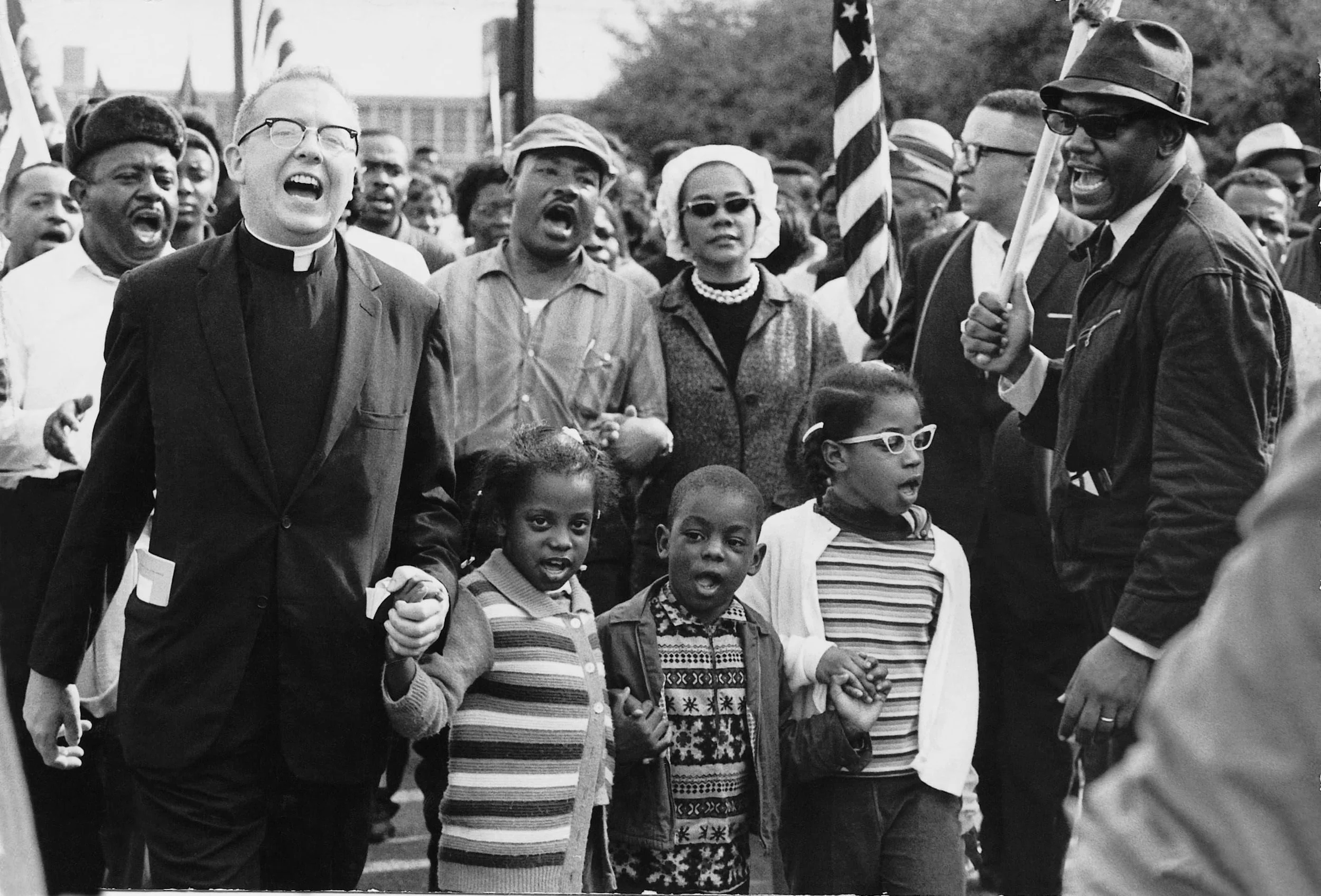
Racial Justice Requires More Than Good Intentions
King did not describe racism simply as personal prejudice. He addressed segregation, police brutality, voter suppression, restricted opportunity, poverty, and discrimination in public life.
His message remains relevant because inequality can be embedded in laws, institutions, policies, and access to resources. Achieving justice requires more than changing individual attitudes. It also requires examining and transforming the systems that shape education, employment, housing, health, safety, and political participation.
Democracy Depends on Equal Participation
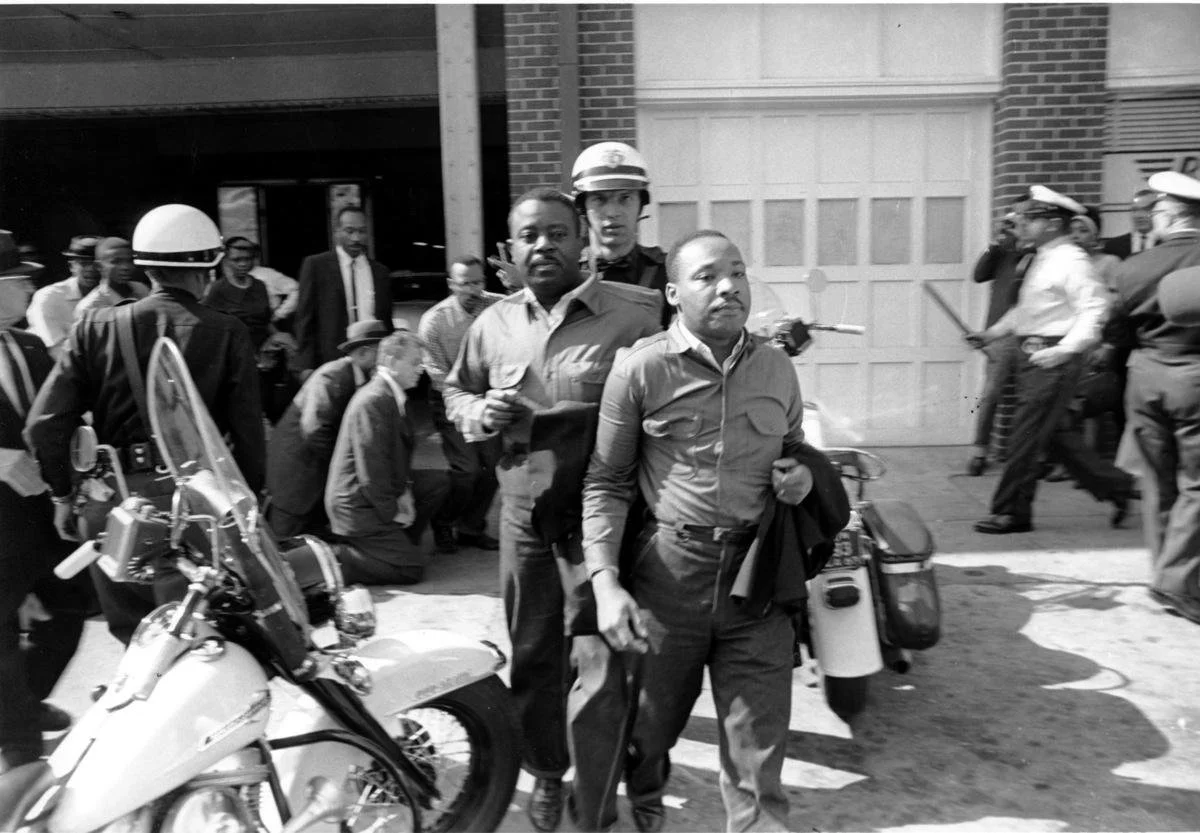
The March on Washington was a demand for full citizenship. King understood that democracy cannot fulfill its promise when people are prevented from voting, excluded from decision-making, or denied equal protection.
His speech reminds us that democracy is not self-sustaining. It depends upon informed citizens, protected rights, accountable institutions, moral leadership, and the courage to defend the dignity and participation of every person.
Civil Rights and Economic Justice Are Connected
The event at which King spoke was the March on Washington for Jobs and Freedom. Its organizers demanded civil-rights protections alongside fair employment, higher wages, and expanded economic opportunity.
King’s message remains relevant because legal equality alone does not guarantee that every family can obtain a quality education, secure dignified work, build economic stability, or live in a safe and thriving community. His dream asks whether freedom is complete without genuine access to opportunity.
Nonviolent Action Can Transform Society
King called upon people to resist injustice with discipline and “soul force.” For him, nonviolence meant confronting injustice without surrendering human dignity.
The speech continues to offer a model for building change through civic participation, organized protest, coalition-building, moral witness, and collective action. It teaches that people can challenge powerful systems while refusing to reproduce the hatred and dehumanization they oppose.
Unity Must Be Built on Justice
King dreamed of a country in which people of different races could live together in freedom and fellowship. But he did not present unity as a substitute for justice.
In the structure of the speech, reconciliation follows truth-telling and transformation. King first identifies racial injustice, demands immediate action, and then describes the community that justice could make possible.
This distinction remains vital. Lasting unity cannot be created by ignoring history, silencing disagreement, or asking those harmed by injustice to accept existing conditions. It must be built through honesty, accountability, equal dignity, and shared responsibility.
Hope Is a Discipline
King delivered a message of hope during a period marked by segregation, racial violence, political resistance, and profound uncertainty. His hope was not the belief that progress would happen automatically. It was the conviction that people could create change through faith, courage, organization, and sustained action.
That understanding remains especially important today. King challenges us to see hope not as passive optimism but as a commitment to participate in building a more just society.
The Dream Is a Responsibility
King’s dream remains unfinished—but it also remains possible. Its enduring power lies in connecting an honest account of injustice with faith in humanity’s capacity to change.
For NAAM, this is why Black history will always be a part of our present and future. By preserving and sharing the history of the Black experience within the context of our country’s history, we gain more than knowledge of where America has been. We gain courage. We gain wisdom. We gain the understanding of our collective and inherited responsibility to make America true to its ideals—and to help create a more humane and just future for all.
The speech calls us to:
Tell the truth about history
Protect civil and voting rights
Expand access to economic opportunity
Resist injustice without surrendering human dignity
Build solidarity across differences
Create communities rooted in freedom, belonging, and justice
“I Have a Dream” endures because it does not allow audiences to remain spectators. It asks each generation to decide how it will respond to injustice and what role it will play in strengthening democracy.
Did You Know?