Freedom Day at NAAM is a monthly FREE admission day honoring history, culture, equity, and freedom. Each month, we spotlight significant and lesser-known moments that have helped shape the ongoing pursuit of freedom for all. Explore past features below.
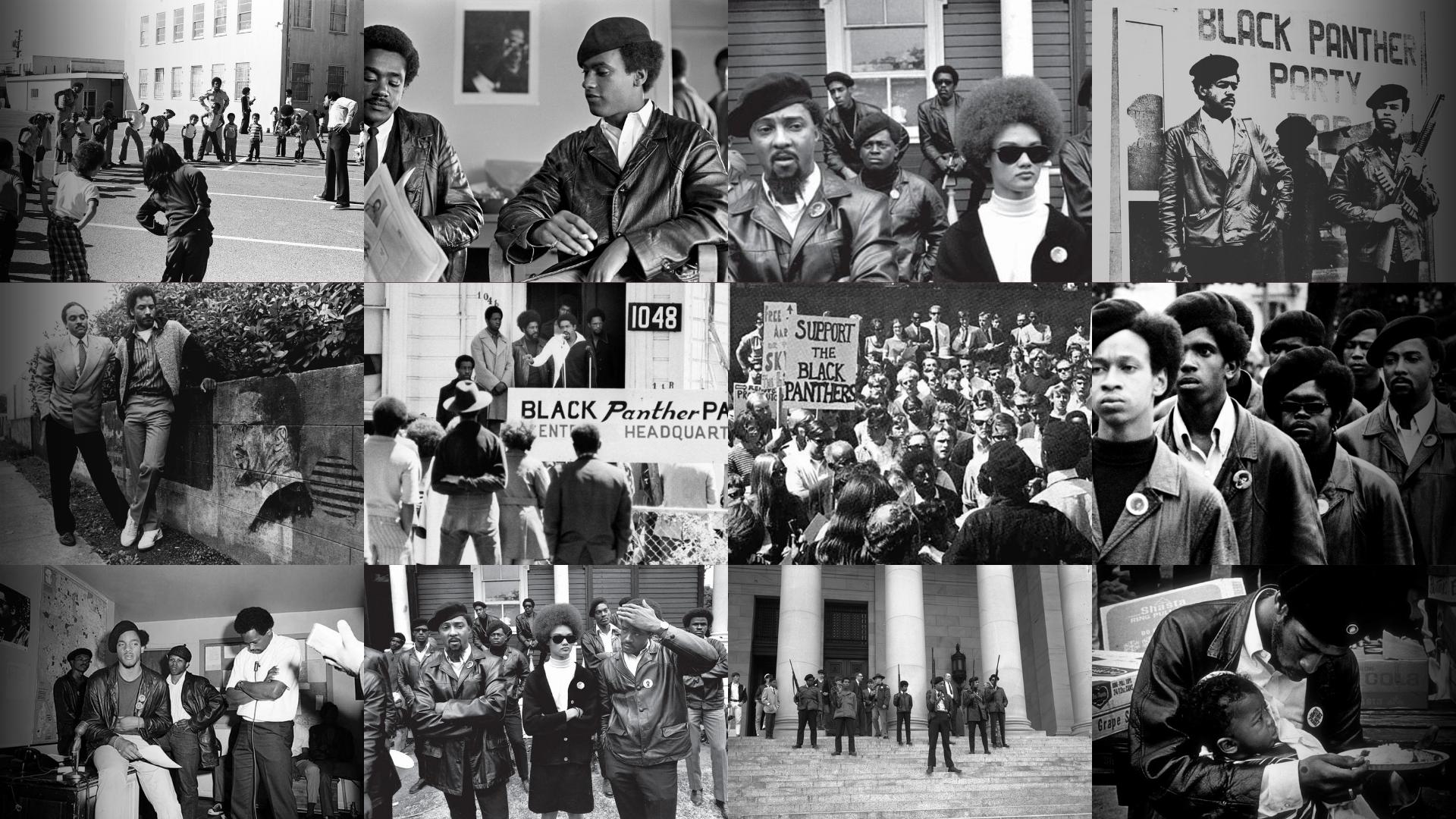
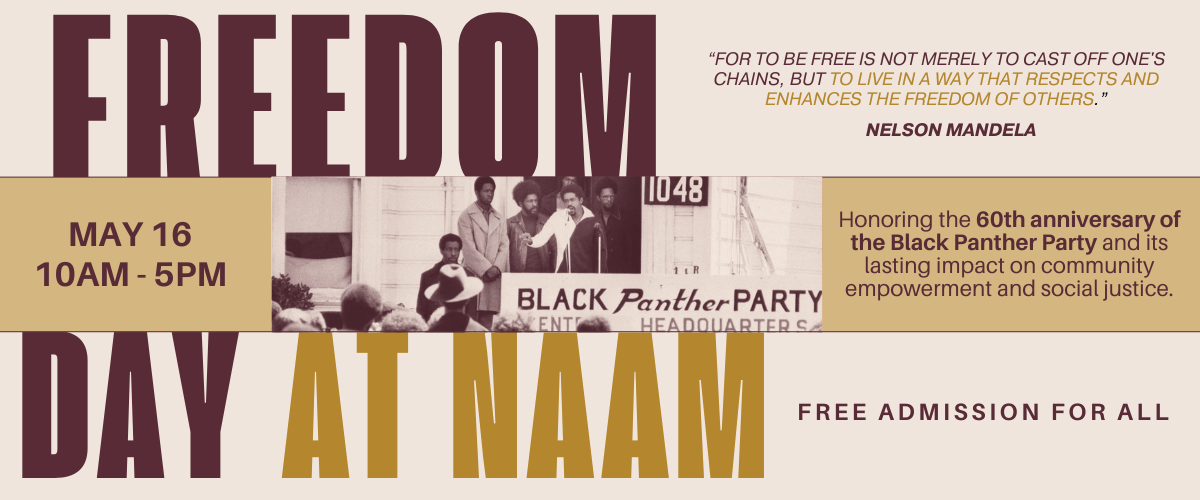
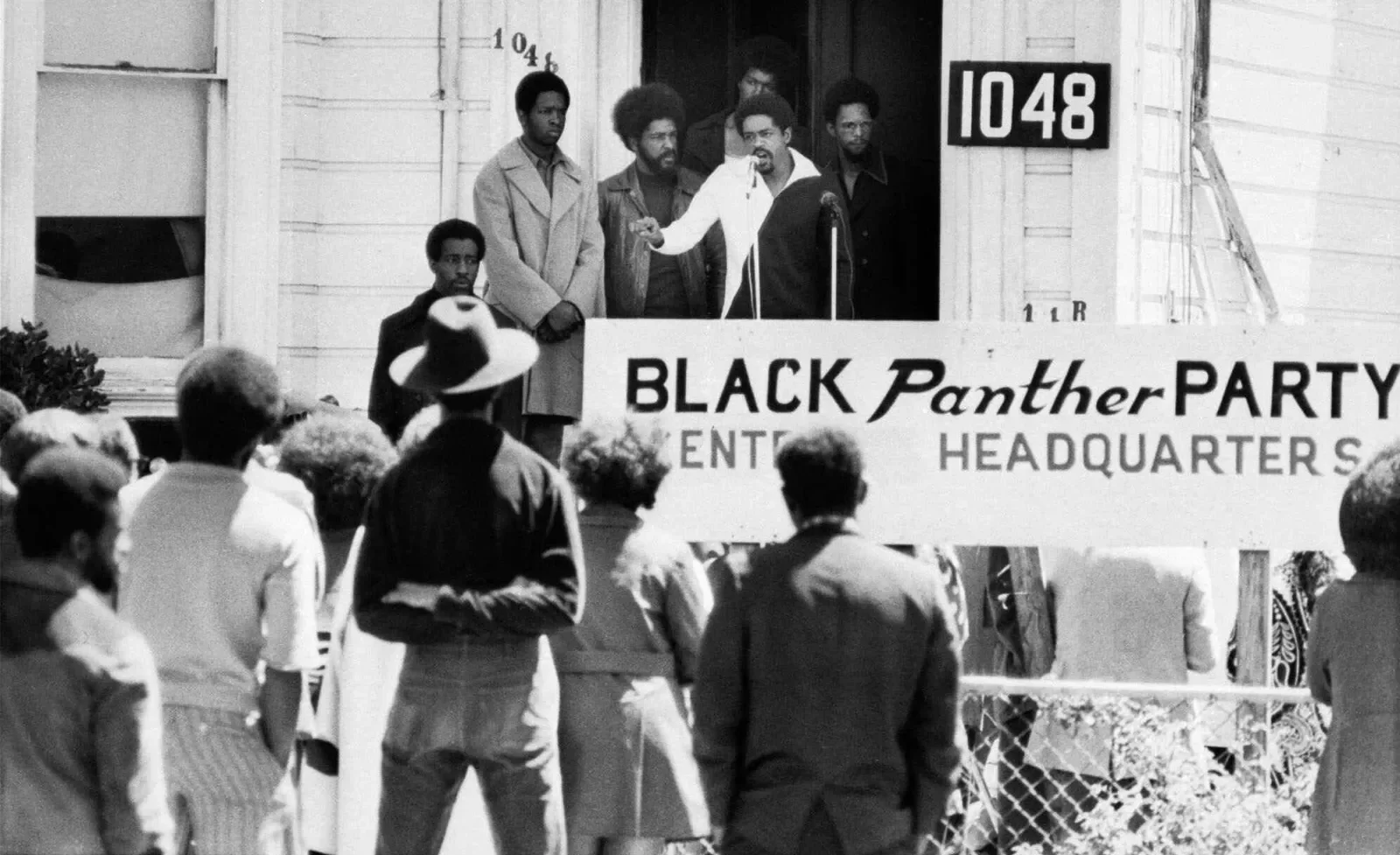
On this Freedom Day, May 16, 2026, we honor the 60th anniversary of the founding of the Black Panther Party in Oakland, California, a defining moment in the ongoing fight for Black liberation, dignity, and self-determination.
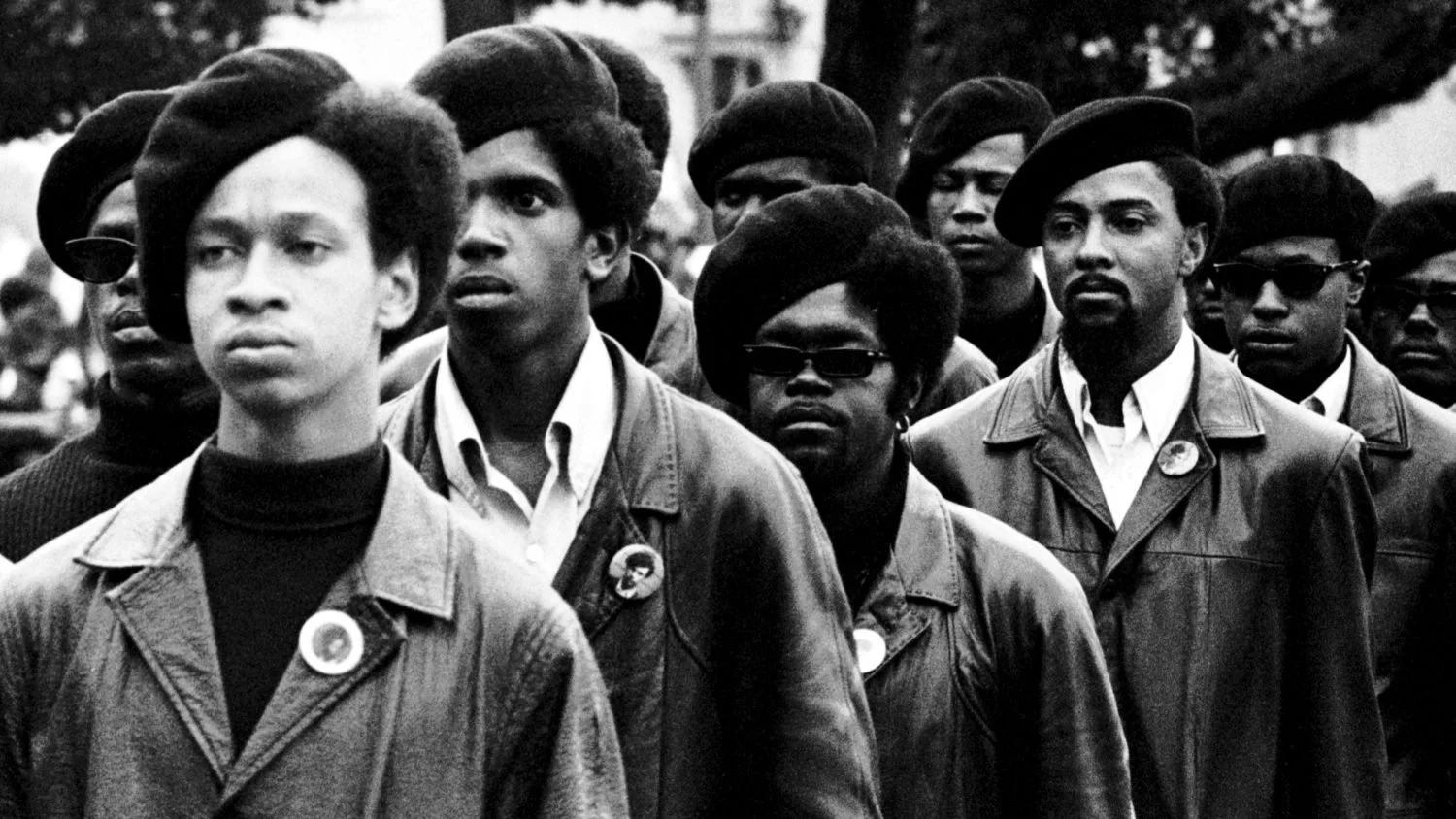
Founded in 1966 by Huey P. Newton and Bobby Seale, the Party emerged in response to systemic inequality and police brutality. At a time when civil rights had been legislated but not fully realized, the Black Panther Party redefined what it meant to protect and serve Black communities, organizing at the local level to address both immediate needs and long-term justice.
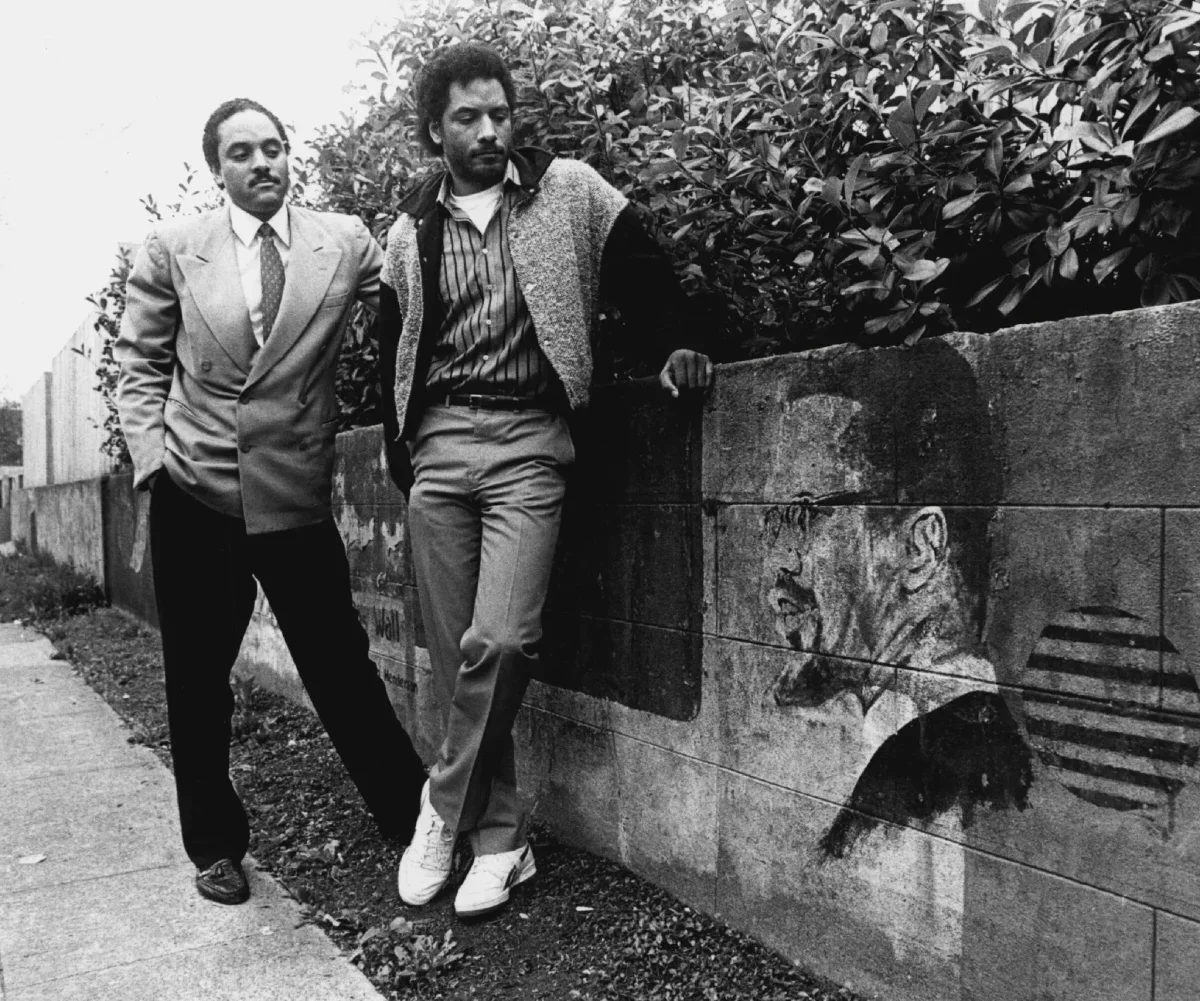
By 1968, Seattle became the first city outside of California to establish a Black Panther Party chapter, led by brothers Elmer Dixon and Aaron Dixon. One year later, Portland followed, expanding what began in Oakland into a powerful regional movement. The Seattle chapter remained active until 1978, making it one of the longest-running chapters in the country and a critical force in sustaining organizing efforts across the Pacific Northwest.
The legacy of the Black Panther Party reminds us that freedom is not only demanded, it is built, protected, and sustained through community. In this way, this history is not only a reflection of the past, but a call that continues to shape the present.
Building Power Through Community
As the Black Panther Party expanded beyond Oakland, its impact was shaped by the strength of local chapters across the country. While the Party gained national attention for its stance against police brutality, its most lasting contributions were rooted in community-based programs designed to meet everyday needs and advance long-term empowerment.
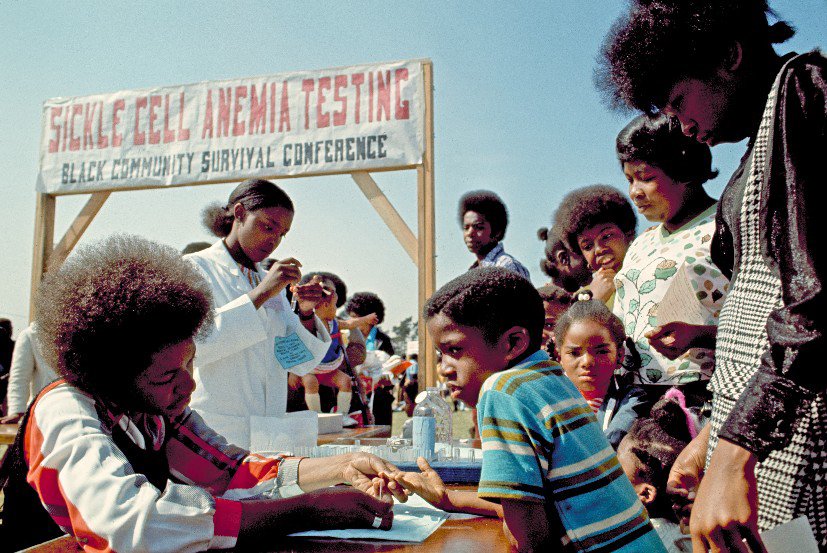
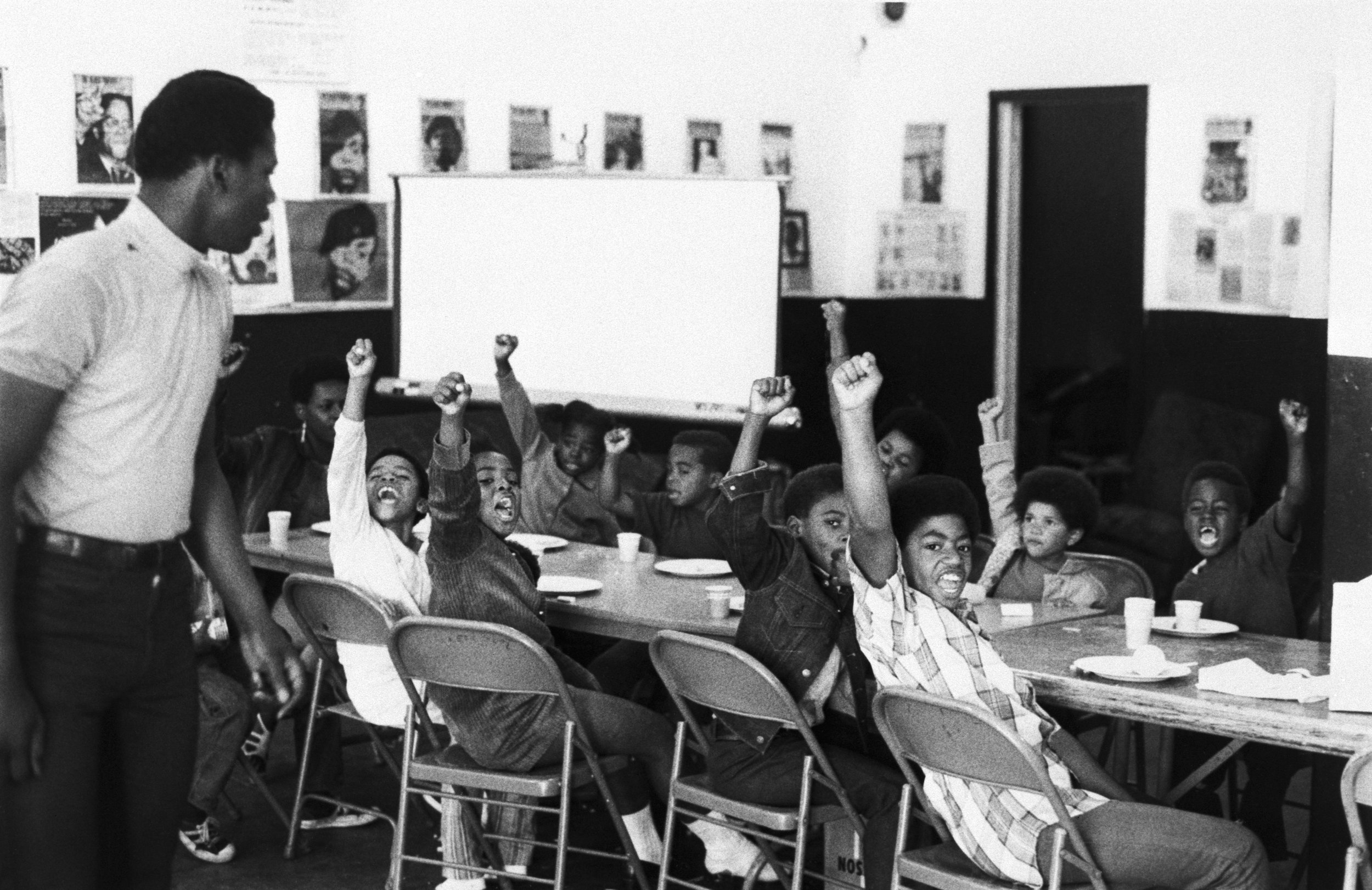
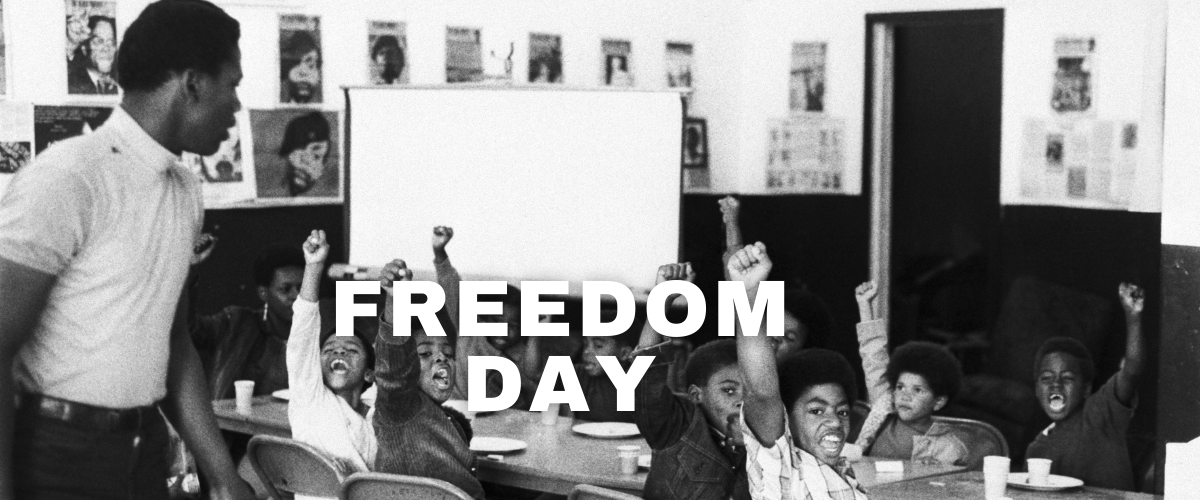
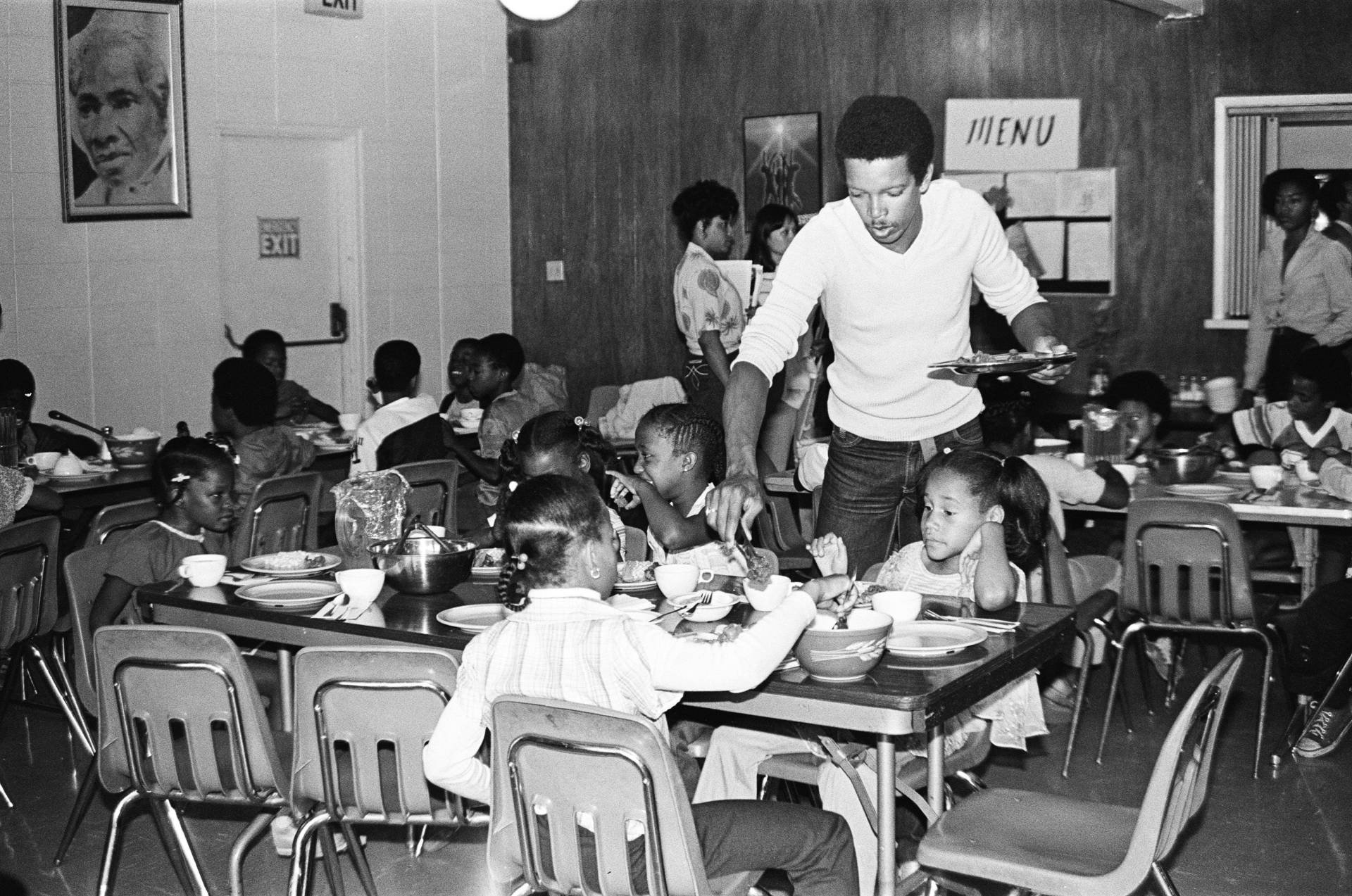
In cities like Seattle and Portland, these efforts took shape through what became known as “survival programs.” Often led by women, these initiatives provided free breakfast programs for children, health clinics, legal aid, food and clothing distribution, and transportation services. These programs were not only acts of service, but intentional strategies to address systemic inequities while building self-sufficiency within Black communities.
The Seattle chapter played a critical role in sustaining this work across the Pacific Northwest. Beyond its local impact, it helped support organizing efforts in Tacoma and collaborated with chapters in Portland and Eugene, strengthening a regional network that extended the reach of the movement. Through this work, the Black Panther Party demonstrated that community care and political action were deeply connected.
Although the Party faced intense surveillance, opposition, and eventual decline, its influence remains. The programs it pioneered continue to shape how communities organize, advocate, and care for one another today. Its legacy challenges us to think beyond protest alone and consider what it means to build systems of support that reflect dignity, access, and collective responsibility.
Did You Know?
The Seattle chapter of the Black Panther Party, founded by Elmer Dixon and Aaron Dixon, was the first chapter established outside of California.
The Seattle chapter remained active until 1978, making it one of the longest-running chapters in the country.
Many of the Black Panther Party’s most impactful programs, including free breakfast programs and health clinics, were led and sustained by women within the movement.
The Party’s community programs, known as “survival programs,” addressed immediate needs while laying the groundwork for long-term social and economic empowerment.