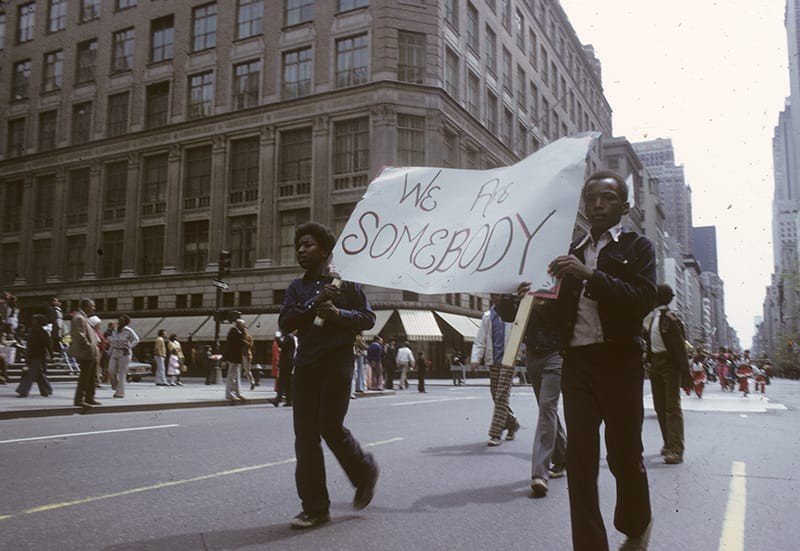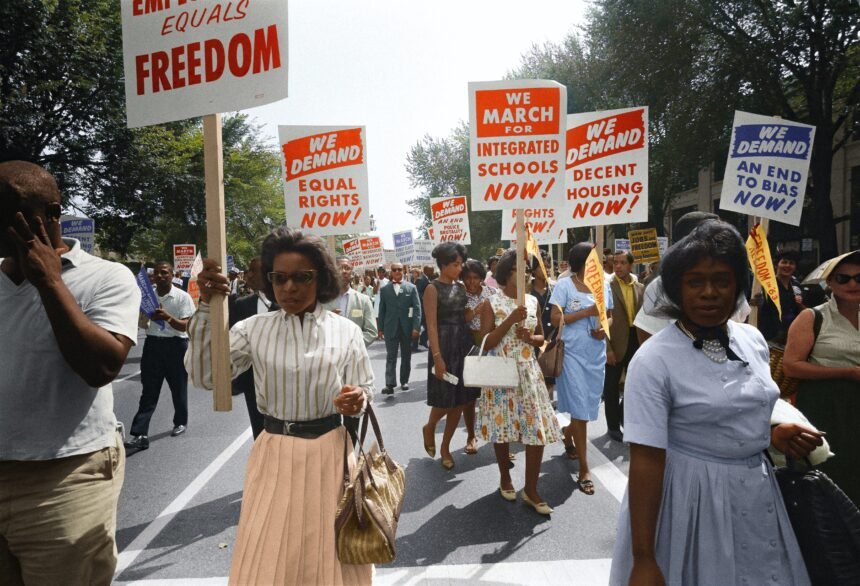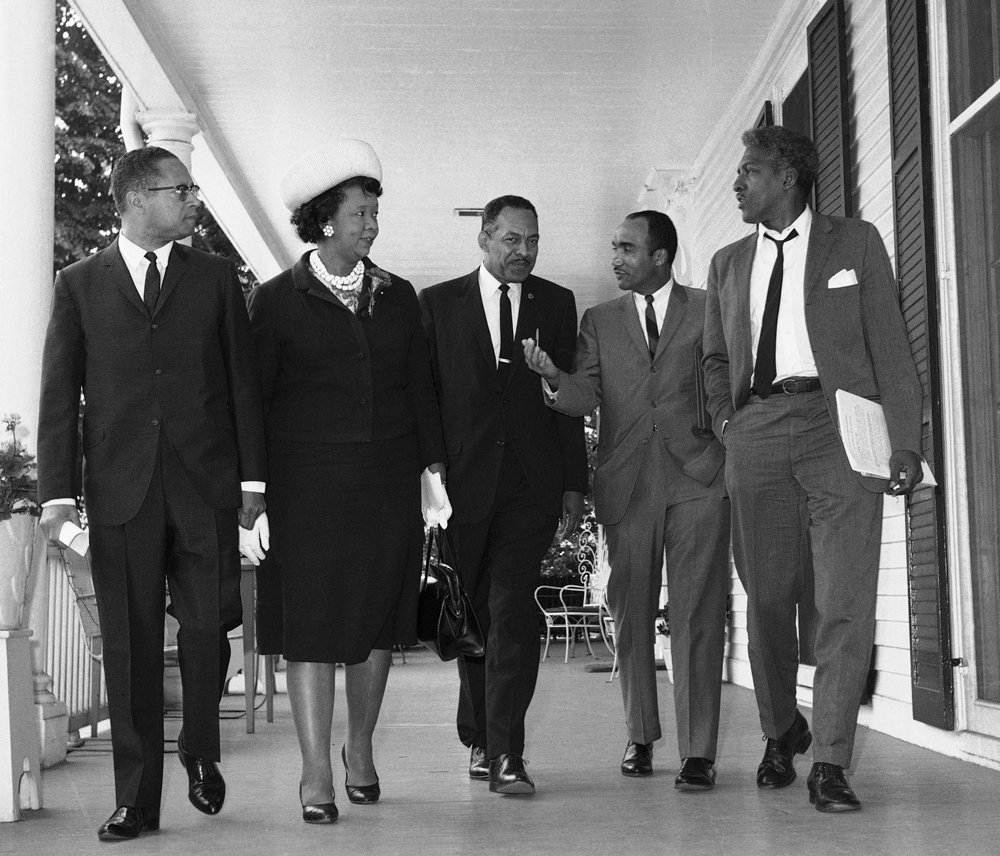

NAAM’s Freedom Day celebrates history, culture, equity, and freedom while highlighting the importance of sharing these ideals with ALL members of our community. Freedom Day is a FREE admission day at NAAM offered once a month. NAAM uses Freedom Day to spotlight significant and sometimes lesser known moments throughout history that have worked to advance freedom for all. Below review all past events we have celebrated on Freedom Day.
<< October 2025
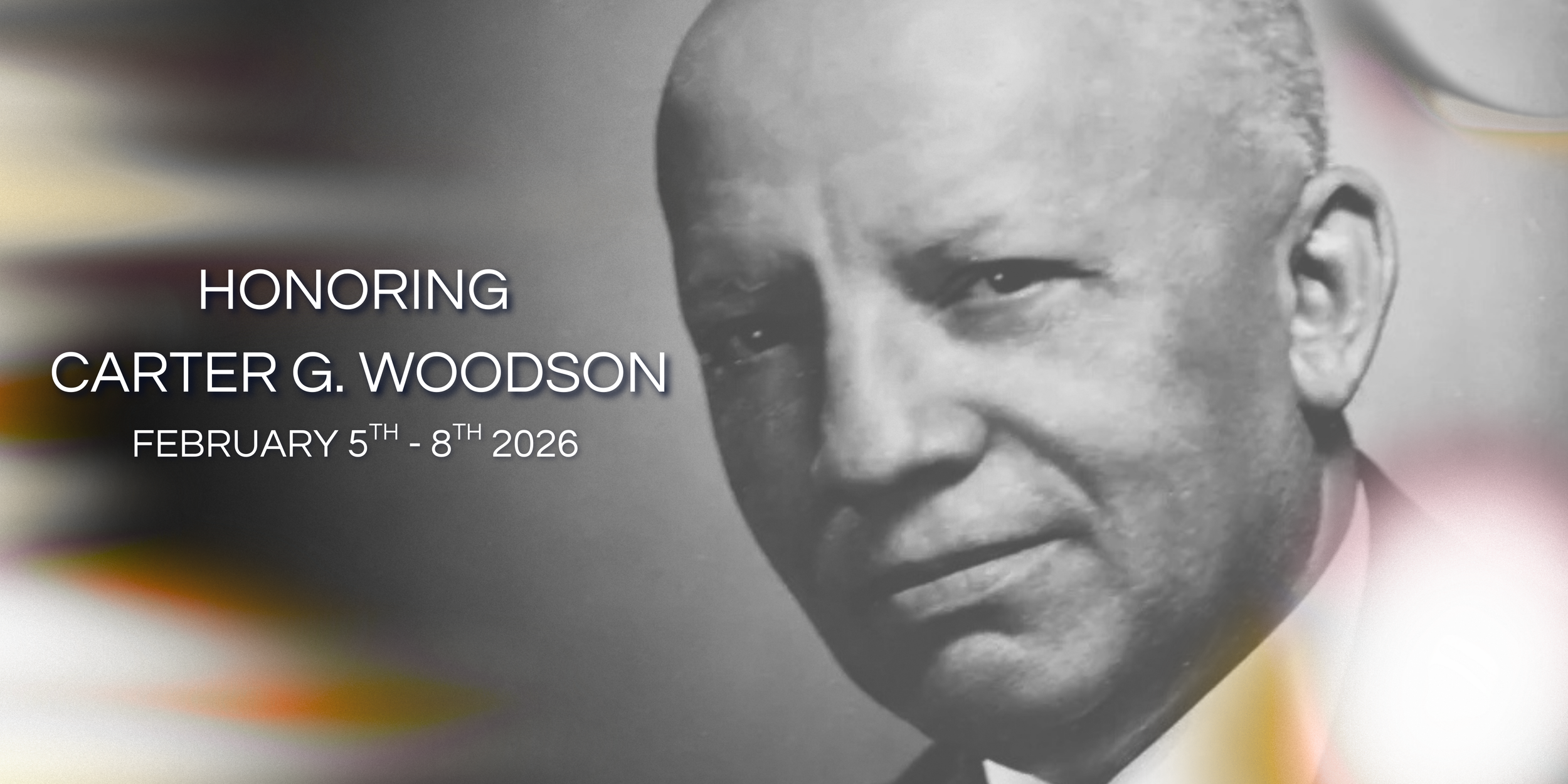
CELEBRATING THE 100TH YEAR ANNIVERSARY
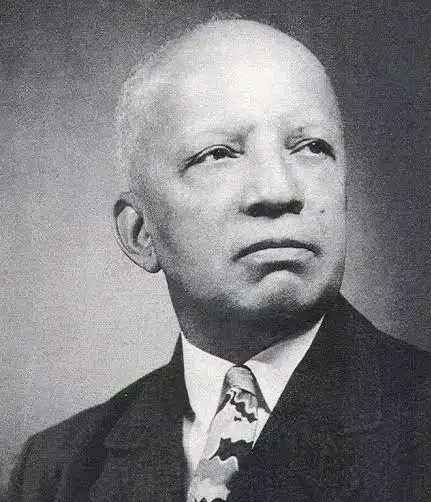
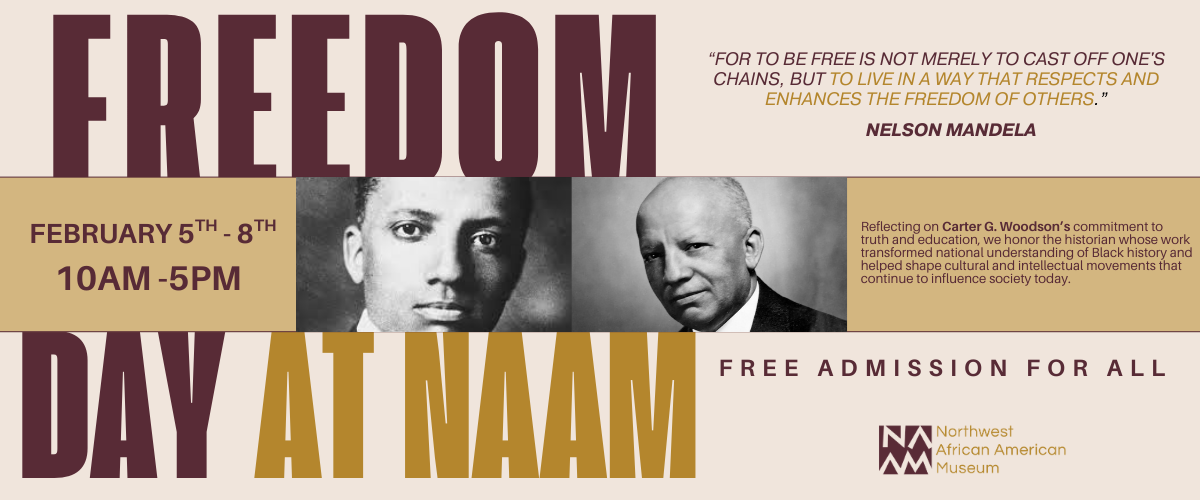
On these four consecutive Freedom Days, we honor the enduring life and legacy of Carter G. Woodson, celebrating the 100th Anniversary of Negro History Week , which he started on February 7th, 1926. A historian, educator, and visionary whose work reshaped how Black history is studied, taught, and remembered in the United States. Born in 1875 to formerly enslaved parents in Virginia, Dr. Woodson’s early life was marked by labor and limited access to formal education. Yet through determination and an unyielding belief in the power of knowledge, he became one of the most influential scholars of his time.
Largely self-educated in his youth, Dr. Woodson went on to earn a doctorate from Harvard University, becoming only the second African American to do so. He dedicated his life to correcting the erasure and distortion of Black contributions in American history. In 1915, he founded the Association for the Study of Negro Life and History and later established Negro History Week, which would evolve into what we now know as Black History Month. Dr. Woodson’s legacy reminds us that history is not merely about the past — it is a tool for self-understanding and liberation.
History as Liberation
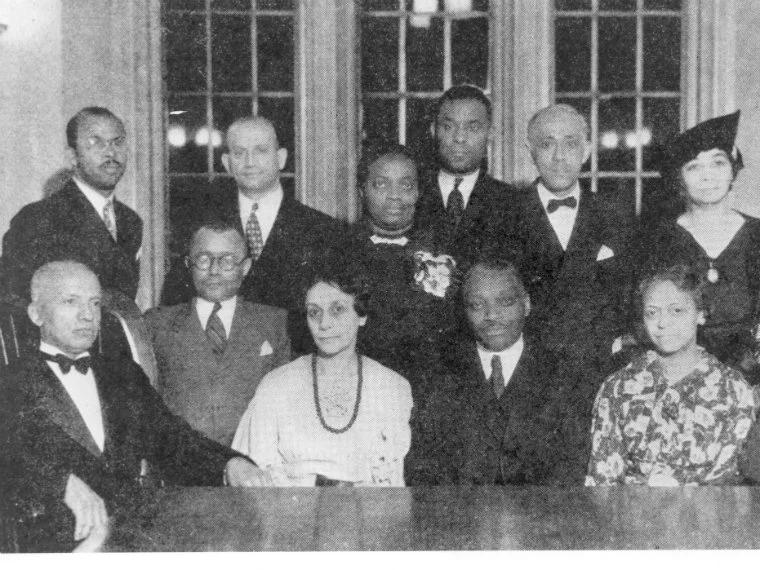
Carter G. Woodson’s influence extended far beyond academia. In the early 20th century, he became a fierce advocate for truth, dignity, and intellectual self-determination, using history as a tool to challenge systemic racism and cultural erasure. Through his scholarship, publishing work, and institution-building, Dr. Woodson confronted the dominant narratives that excluded or distorted Black life. In 1915, he co-founded the Association for the Study of Negro Life and History (now ASALH) to promote the research and preservation of Black history, insisting that African Americans must be centered as authors of their own story rather than subjects of omission.
Dr. Woodson believed deeply that miseducation was one of the greatest barriers to freedom. In his seminal work The Mis-Education of the Negro, he argued that denying people accurate knowledge of their past weakened their sense of possibility in the present. In 1926, he established Negro History Week, in which he intentionally chose February to align with the birthdays of Frederick Douglass and Abraham Lincoln. Not as a symbolic gesture, but as a structured corrective to affirm Black contributions to civilization. This effort laid the foundation for what would later become Black History Month, shaping generations of educators, activists, and thinkers.
Beyond his scholarly achievements, Dr. Woodson’s legacy endures as a powerful reminder that knowledge itself can be an act of liberation. He understood history as a living force. One that shapes identity, fuels pride, and strengthens resistance. By reclaiming the past, Dr. Woodson expanded the future, proving that education rooted in truth has the power to restore humanity, inspire progress, and affirm the rightful place of Black people in the American story.
Did You Know?
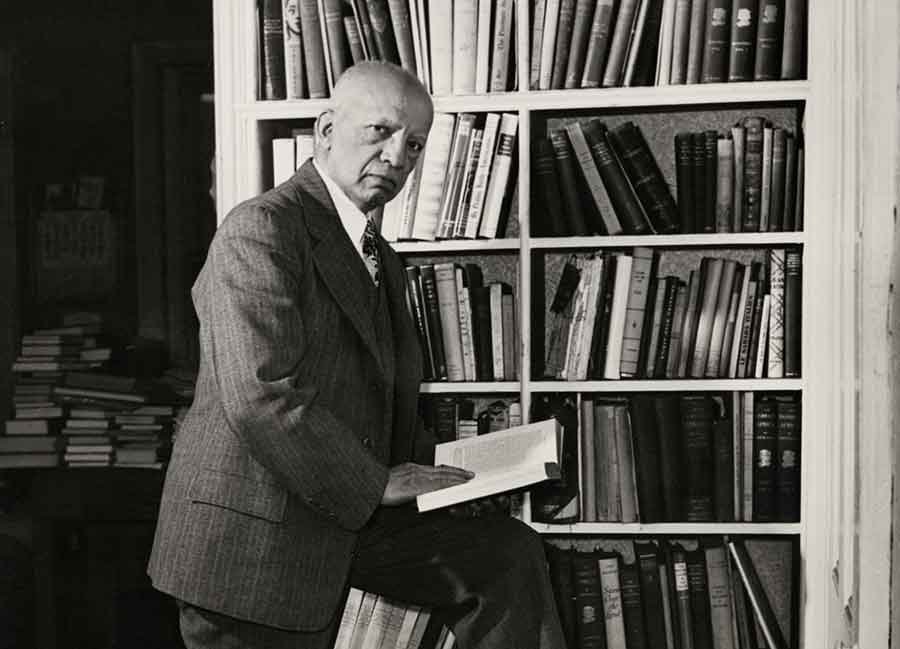
Carter G. Woodson created and distributed classroom-ready lesson plans, posters, and study guides so Black history could be taught year-round, not only during Negro History Week.
He insisted that Black history should be studied as part of world history, not as a separate or secondary subject, pushing back against the idea that it existed outside of the global human story.
Dr. Woodson personally trained and mentored generations of Black teachers, archivists, and scholars, helping to build a nationwide network of educators committed to preserving Black historical records.