
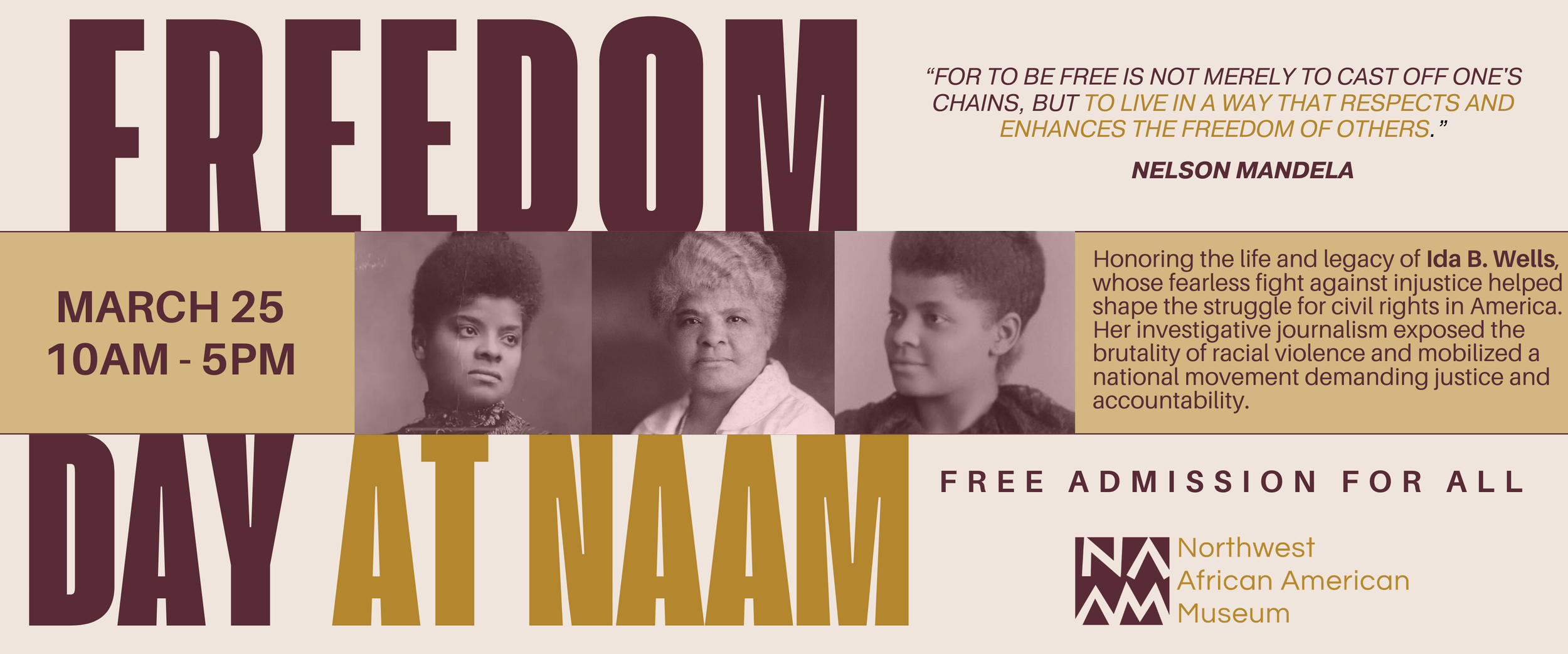
NAAM’s Freedom Day celebrates history, culture, equity, and freedom while highlighting the importance of sharing these ideals with ALL members of our community. Freedom Day is a FREE admission day at NAAM offered once a month. NAAM uses Freedom Day to spotlight significant and sometimes lesser known moments throughout history that have worked to advance freedom for all. Below review all past events we have celebrated on Freedom Day.
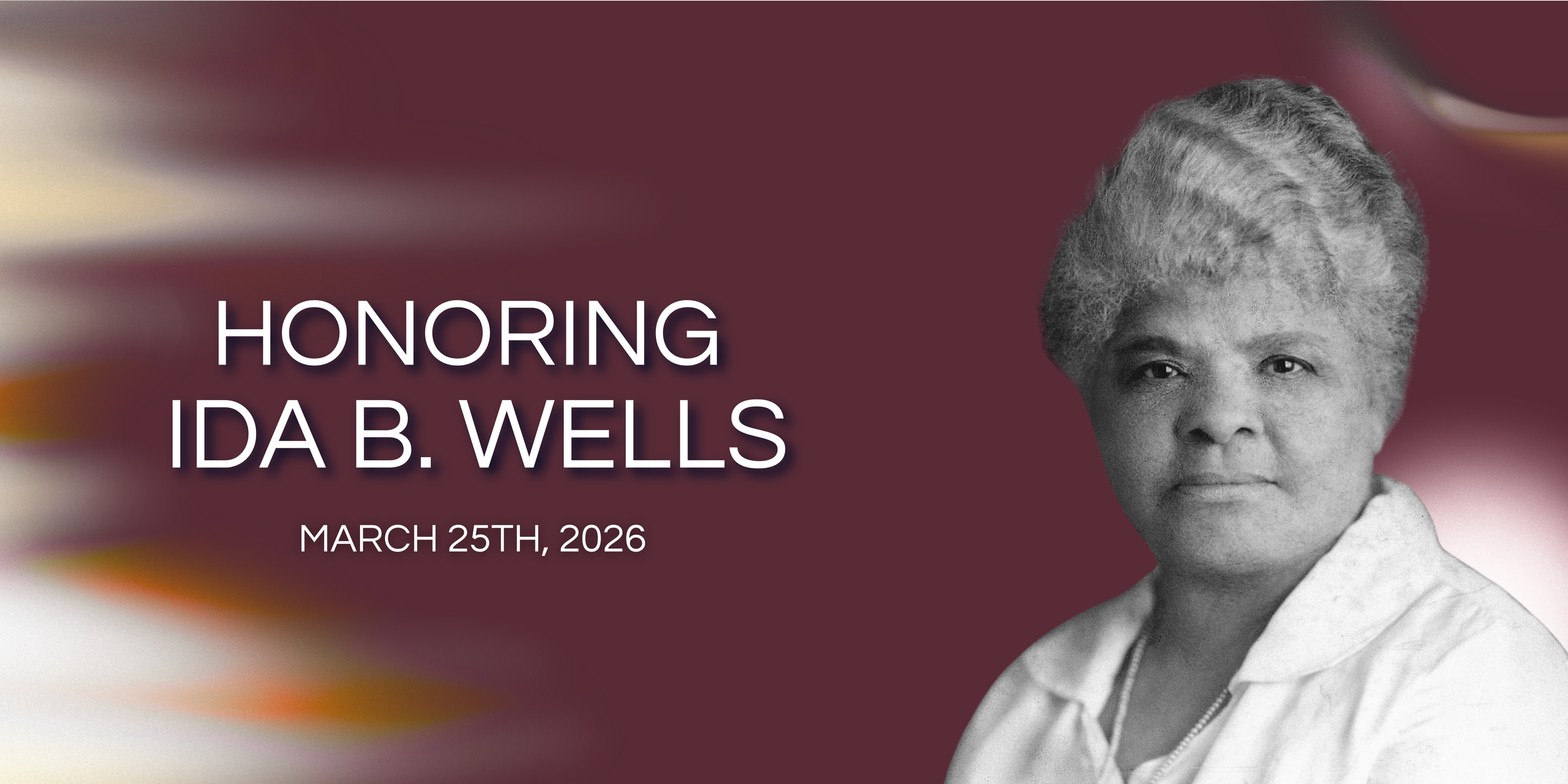
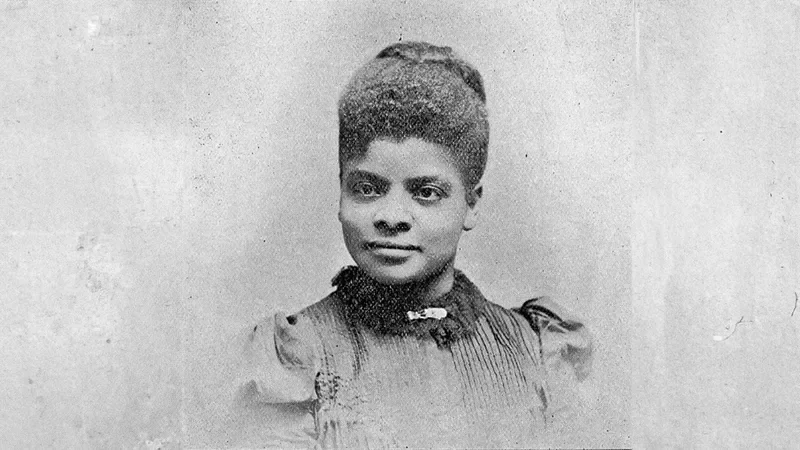
On this Freedom Day, we honor the life and legacy of Ida B. Wells, marking the anniversary of her passing on March 25, 1931. Born in 1862 during the final years of the Civil War, she rose to become one of the most fearless voices for justice in American history.
A pioneering investigative journalist, she used research, data, and firsthand reporting to expose the truth behind racial violence at a time when it was widely ignored or justified. Through groundbreaking work like Southern Horrors and The Red Record, she revealed that lynching was not justice, but a system of racial terror used to suppress Black communities. Ida B. Wells
Despite threats, exile, and the destruction of her newspaper, she remained unwavering in her pursuit of truth. Her work helped lay the foundation for future civil rights movements and continues to inspire those who challenge injustice today.
At NAAM, we honor her legacy as a reminder that truth-telling is an act of courage, and a powerful force for change.
Journalism as Justice
Few figures in American history demonstrate the power of truth more clearly than Ida B. Wells. At a time when racial violence was widespread and often justified, she used journalism, research, and moral courage to expose the brutal reality of lynching in the United States. Through meticulous investigation, she challenged false narratives that framed lynching as justice, revealing instead that it was often used to suppress Black economic success, political participation, and social mobility. Her work fundamentally reshaped the national conversation and affirmed that telling the truth can be an act of extraordinary courage.
Following the 1892 lynching of three Black businessmen in Memphis, who were friends of hers, she became one of the most fearless investigative journalists of her time. In Southern Horrors and later The Red Record, she combined data, firsthand accounts, and sharp analysis to confront systemic racial violence and dismantle widely accepted myths. Despite facing threats, the destruction of her newspaper office, and forced exile, she continued her advocacy on a national and international stage, while also advancing Black women’s political power through suffrage activism. Her work laid the foundation for modern civil rights efforts and influenced generations of leaders and organizers.
Her legacy remains deeply relevant today. She demonstrated that truth requires courage, that evidence strengthens the pursuit of justice, and that storytelling can transform public understanding. Her life reflects the mission of the Northwest African American Museum to use Black heritage to cultivate healing and hope for all people by showing how confronting historical injustice can inspire resilience, knowledge, and progress. In honoring Ida B. Wells, we affirm that truth telling is not only an act of remembrance, but a powerful force for change.
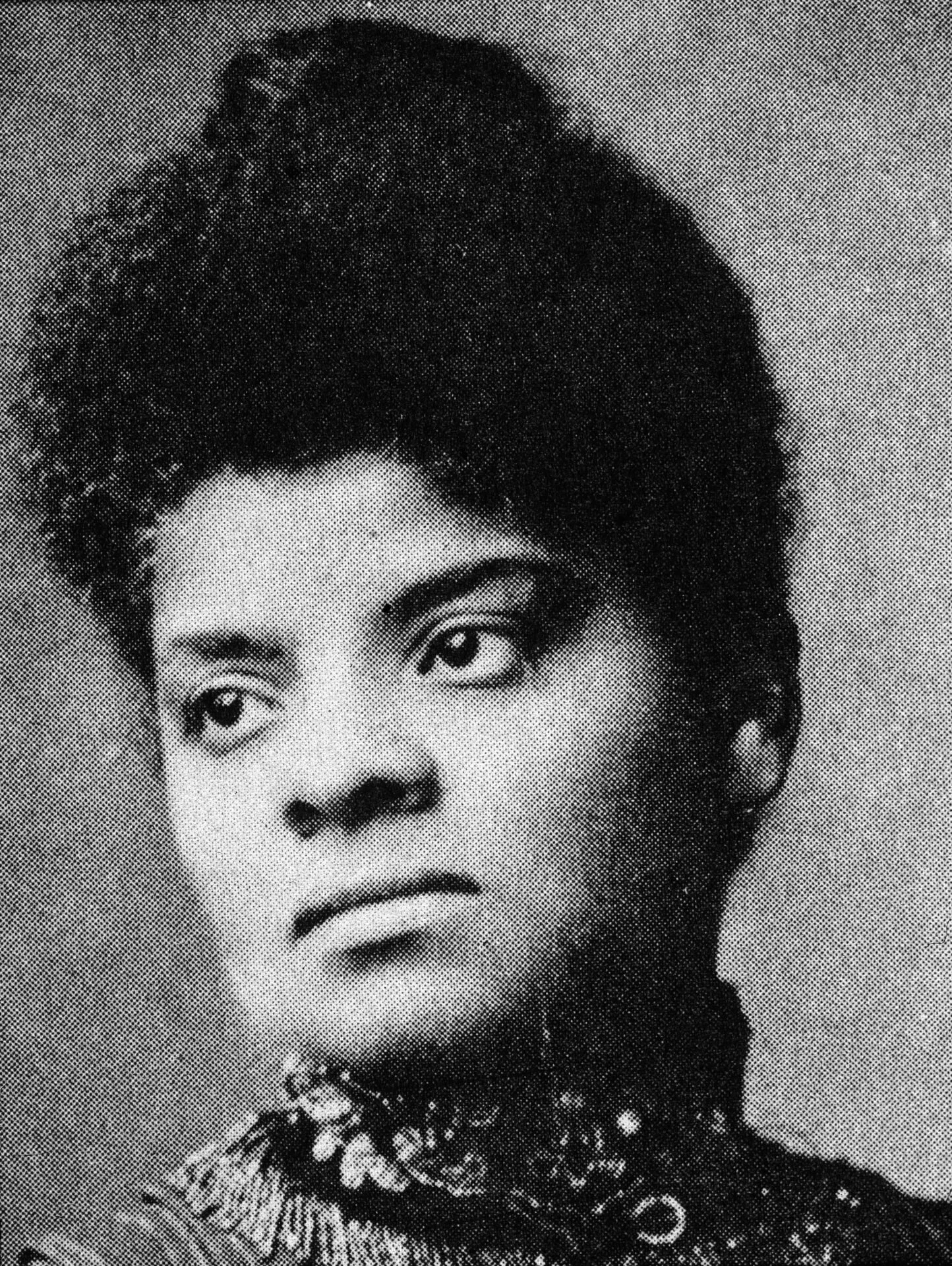
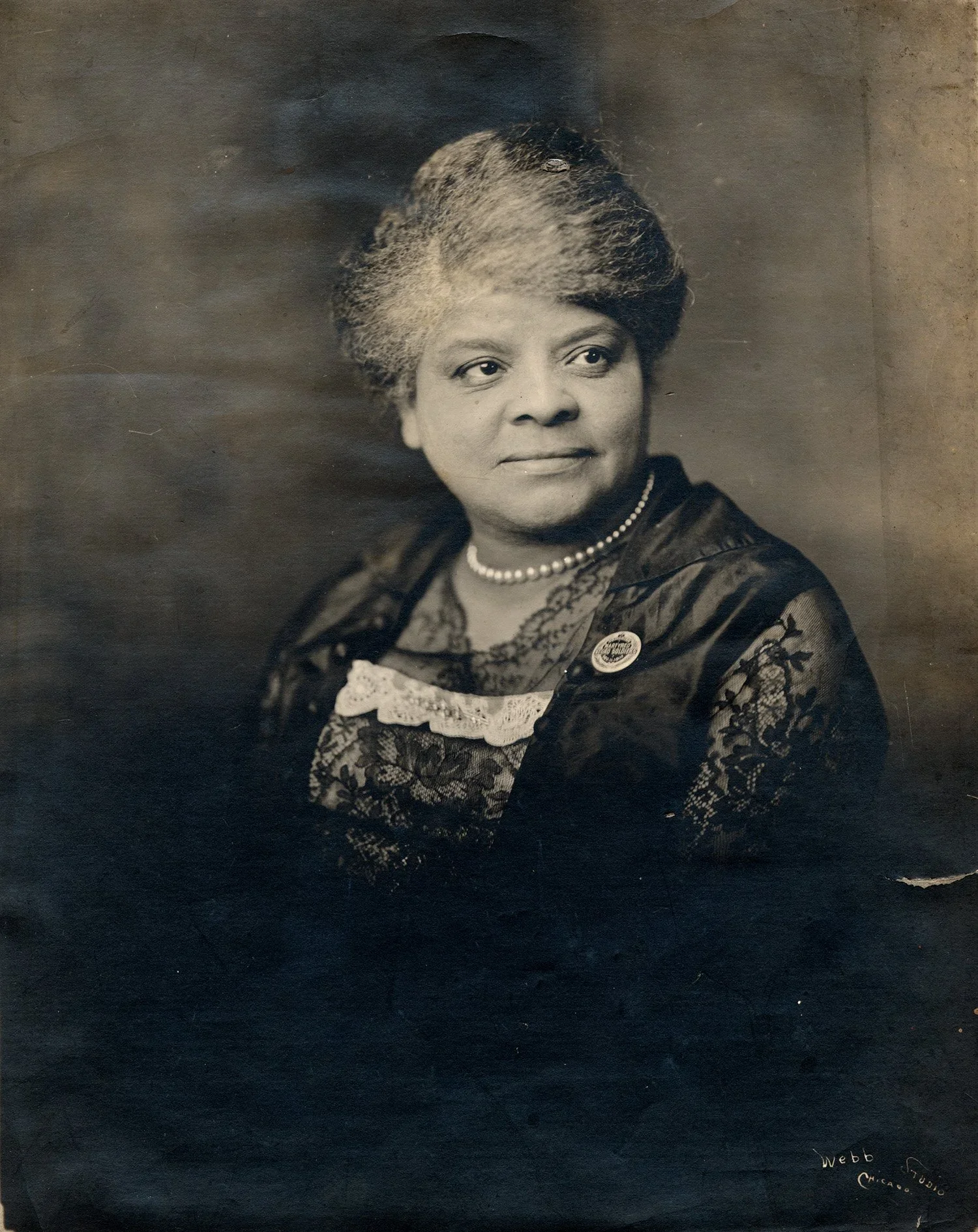
5 Myths Ida B. Wells Exposed About Lynching
1. The Myth of Criminality
She affirmed that Black lives were unjustly targeted, revealing that many victims were not criminals, but individuals striving for dignity, economic independence, and civil rights.
2. The Myth of “Protection”
She exposed how false narratives were used to justify violence, reclaiming truth and challenging propaganda that sought to control and silence Black communities.
3. The Erasure of Black Excellence
She uplifted the reality that many victims were respected leaders, business owners, educators, and community builders whose success represented strength and progress.
4. The Illusion of Isolation
She made visible the widespread and systemic nature of racial violence, empowering communities with knowledge and truth to resist silence and denial.
5. The Myth of Powerlessness
She demonstrated that injustice persists when systems refuse accountability, while also showing that courageous voices can demand change and inspire collective action.
Did You Know?
In 1884, Ida B. Wells was forcibly removed from a first-class railroad car despite holding a ticket. She sued the Chesapeake & Ohio Railroad and initially won the case before the ruling was later overturned. This experience deepened her resolve to challenge injustice and helped fuel her lifelong fight for civil rights.
Wells traveled to Europe, giving lectures in cities like London and Manchester to raise international awareness about racial violence in the United States.
In 2020, Wells received a Pulitzer Prize Special Citation honoring her groundbreaking reporting and courageous fight against racial violence.
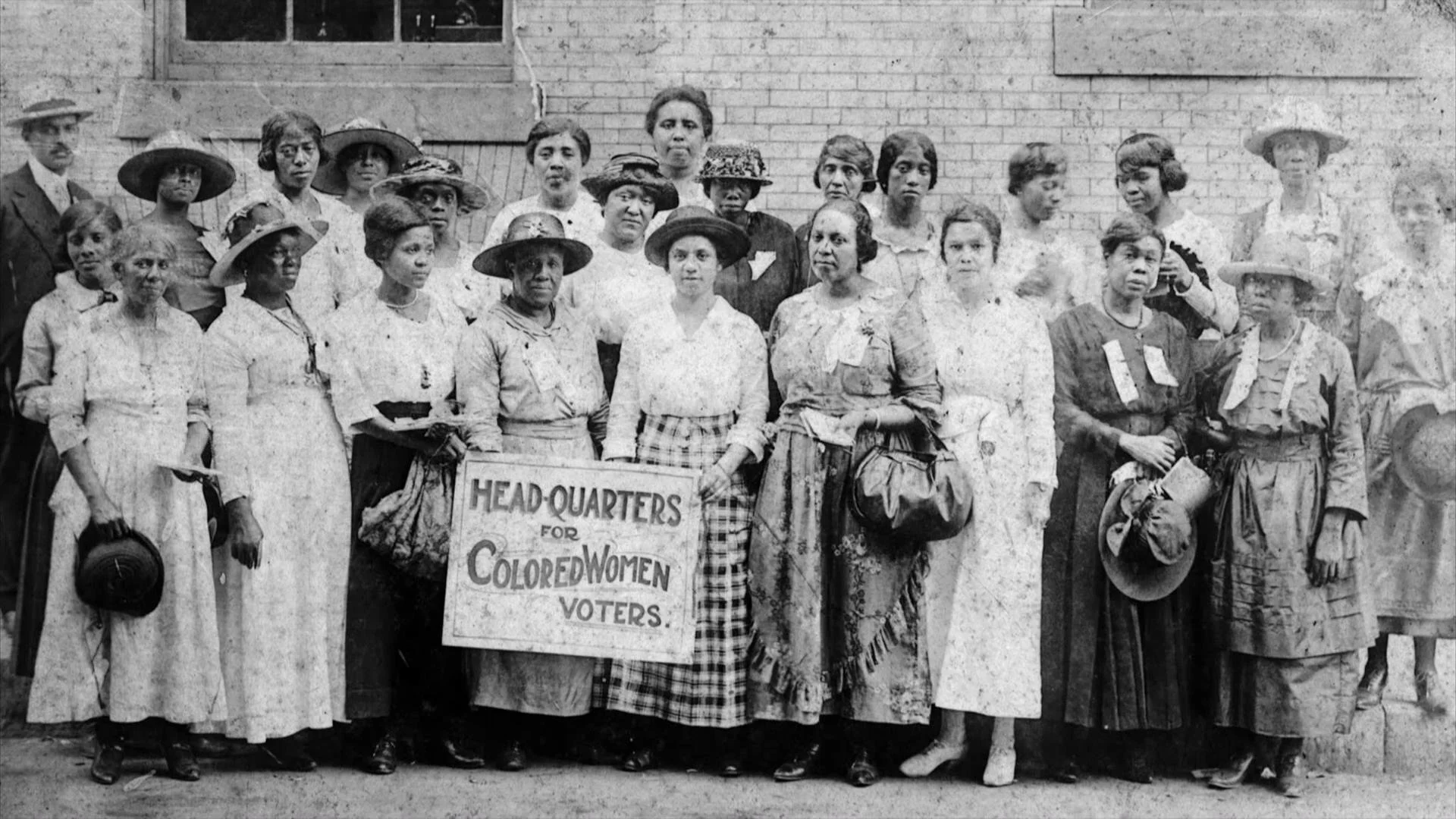
In 1913 she helped establish the Alpha Suffrage Club, one of the first Black women’s suffrage groups in the country.
Why It Matters
Ida B. Wells demonstrated that truth-telling can challenge injustice and change history. Her work continues to inspire journalists, historians, and activists who believe that confronting difficult truths is essential to building a more just society.