<< This Month’s Freedom Day >>
Freedom Day is NAAM’s monthly free admission day, honoring the history, culture, and movements that continue to shape the pursuit of freedom for all.Louis Armstrong
A Musician Who Demonstrated Artistic Excellence, Moral Courage, and Cultural Influence
July 6, 2026, marked 55 years since the passing of one of the greats, Louis Armstrong. While this day was closed for the museum, we are honoring his legacy on July 18th with a free admission day to the museum.
Legacy & Impact
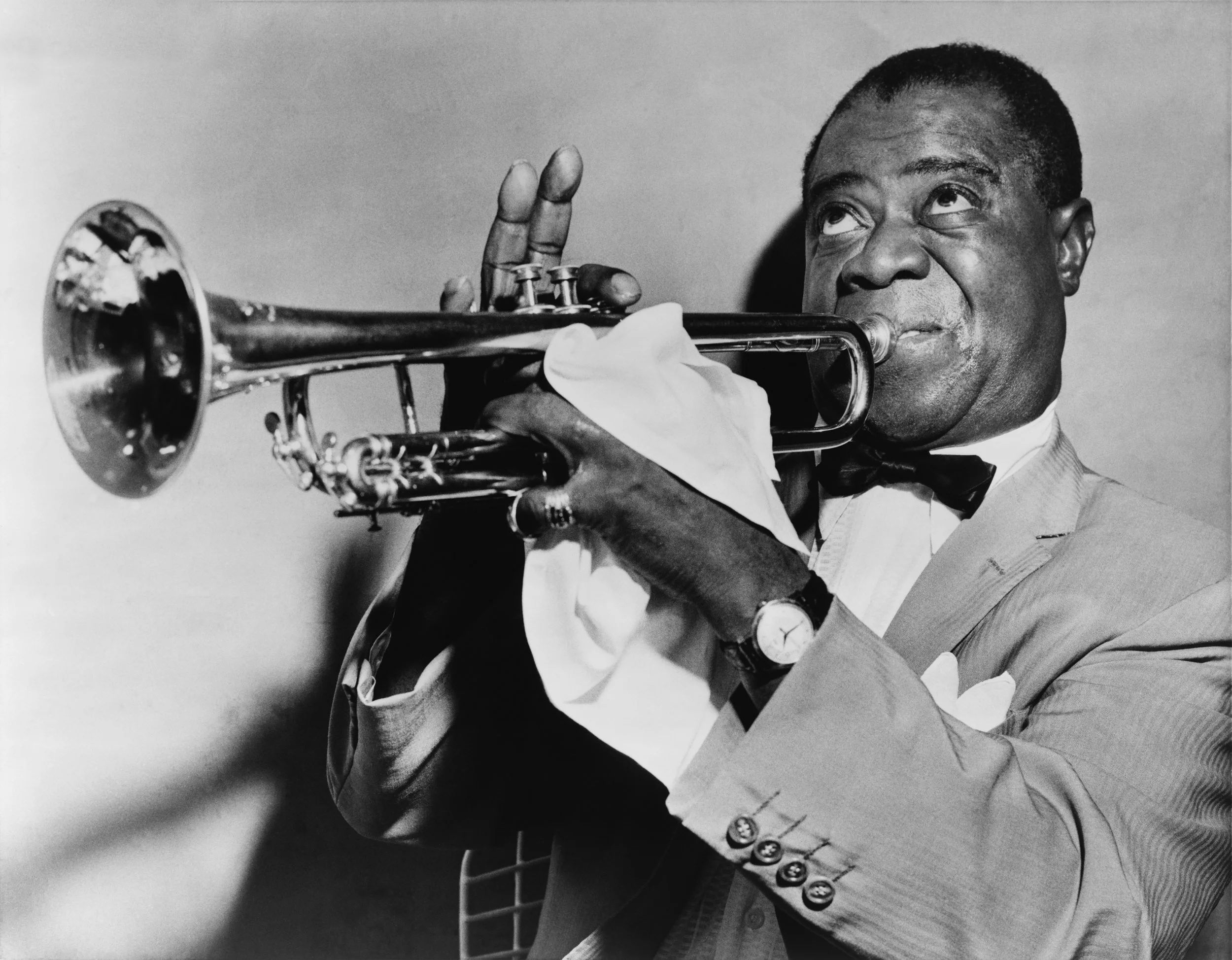
Louis Armstrong (1901–1971) was one of the most influential musicians in American history and a pioneering figure in jazz. Born into poverty in New Orleans, Armstrong overcame significant hardships and developed his musical talent while playing the cornet as a young boy. He rose to fame in the 1920s through his innovative trumpet playing, distinctive gravelly voice, and charismatic stage presence. Throughout his career, Armstrong recorded numerous hit songs, including What a Wonderful World and Hello, Dolly!, helping to popularize jazz around the world.
Armstrong's success played a major role in improving African American representation in the music industry during a time of widespread racial segregation and discrimination. As one of the first Black musicians to achieve international stardom, he challenged racial barriers and demonstrated the artistic excellence of African American performers. His visibility on radio, television, recordings, and international tours helped bring African American music into the mainstream and opened doors for future generations of Black artists. Through his talent, perseverance, and influence, Armstrong became both a cultural ambassador and a symbol of progress in American entertainment.
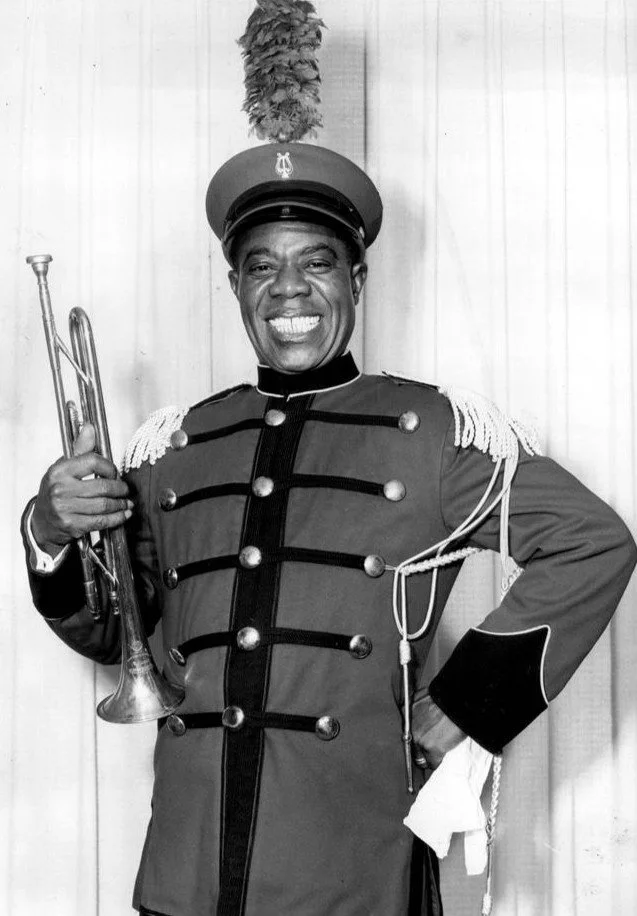
Not only did Armstrong open doors for people of color in the music industry, he was a trailblazer in advocating for equality in all spaces that he interfaced. He was known to refuse to play at segregated events or stay in hotels that barred Black guests. Decades before the Civil Rights Act, he insisted on integrated bands, dressing rooms, audiences, and accommodations, and was one of the first African American entertainers to put these stipulations directly into his performance contracts. If venues attempted to segregate, he would refuse to play or walk away from the opportunity. Even more powerful was his public cancellation of a government- sponsored tour of the Soviet Union in 1957, which he paired with a criticism of President Dwight D. Eisenhower’s handling of the integration crisis in Little Rock, AK. In many ways, Armstrong’s work ethic and his firm stance on civil rights epitomize what it means to have, and be an ambassador of, freedom.
Louis Armstrong advanced civil rights not primarily through marches or political office, but through cultural leadership, strategic public intervention, and personal integrity. He broke racial barriers by becoming one of the world's most admired entertainers, used his international stature to expose the contradictions of American democracy, publicly challenged segregation at a pivotal historical moment, and quietly supported generations of Black artists.
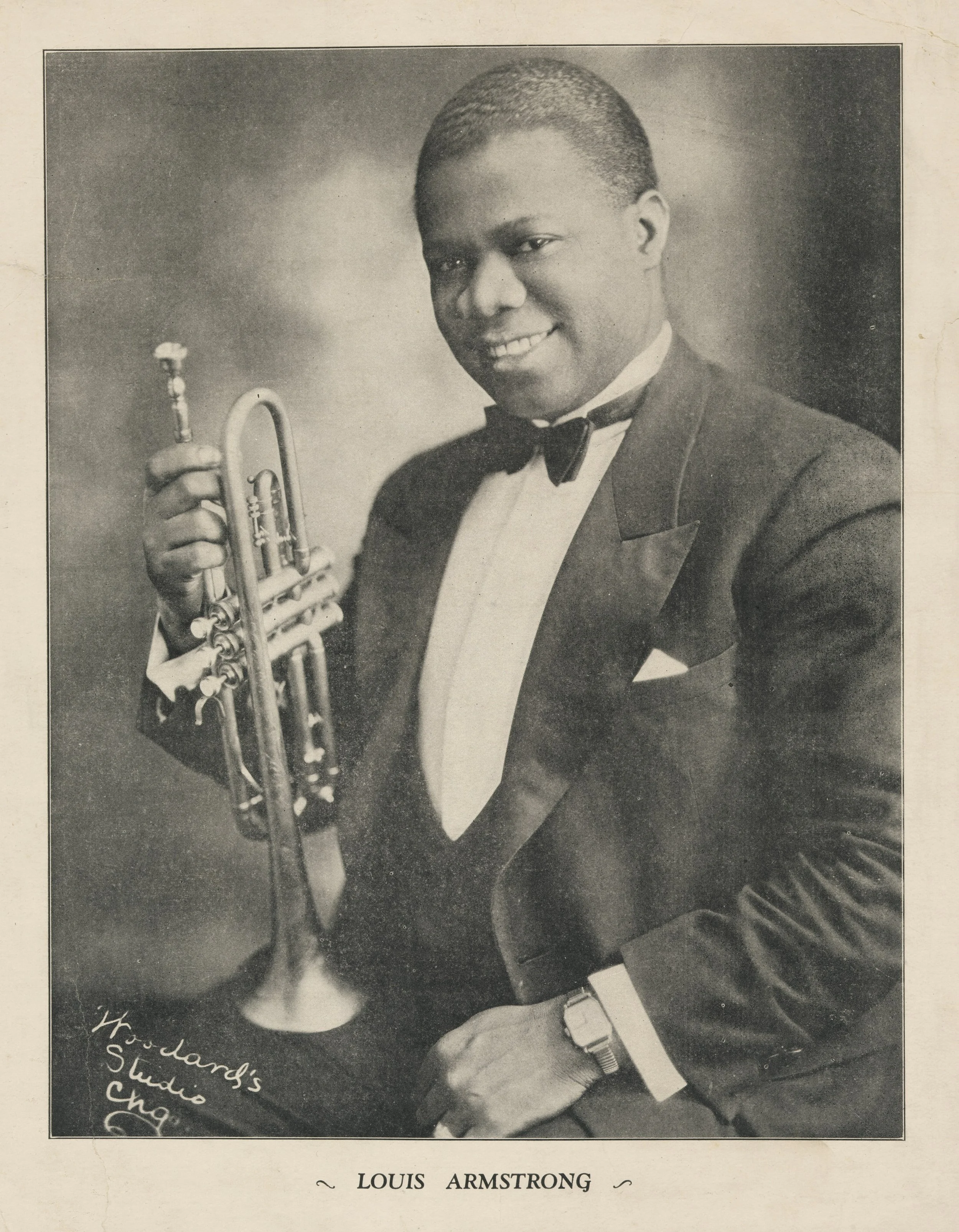
Today, Armstrong is increasingly recognized as both a musical pioneer and an important—if often understated—civil rights figure whose life demonstrated that artistic excellence, moral courage, and cultural influence can become powerful instruments for advancing justice.
Did You Know?
Iconic Handkerchief
He was known for his signature handkerchief, which he often used to mop his brow during performances.
3,000 Recordings
Armstrong was also a prolific recording artist, and he made over 3,000 recordings during his career.
Swing Pioneer
He was a major figure in the development of swing music and was a key player in the transition from traditional jazz to the more modern styles that emerged in the 1930s and 1940s.
First Cornet
He got his first cornet at the age of 11, and by the time he was a teenager, he was playing in local jazz bands.
International Success
He had a string of pop hits beginning in 1949 and started making regular overseas tours, where his popularity was so great, he was dubbed “Ambassador Satch.”
Historic Broadcast
In 1937, Armstrong became the first African American to host a nationally sponsored, major network radio show, taking over Fleischmann's Yeast Show.
Hollywood Trailblazer
In 1936, he became the first Black musical artist to receive featured, co-starring billing with white actors in a major Hollywood film (Pennies from Heaven alongside Bing Crosby).