
NAAM’s Freedom Day celebrates history, culture, equity, and freedom while highlighting the importance of sharing these ideals with ALL members of our community. Freedom Day is a FREE admission day at NAAM offered once a month. NAAM uses Freedom Day to spotlight significant and sometimes lesser known moments throughout history that have worked to advance freedom for all. Below review all past events we have celebrated on Freedom Day.
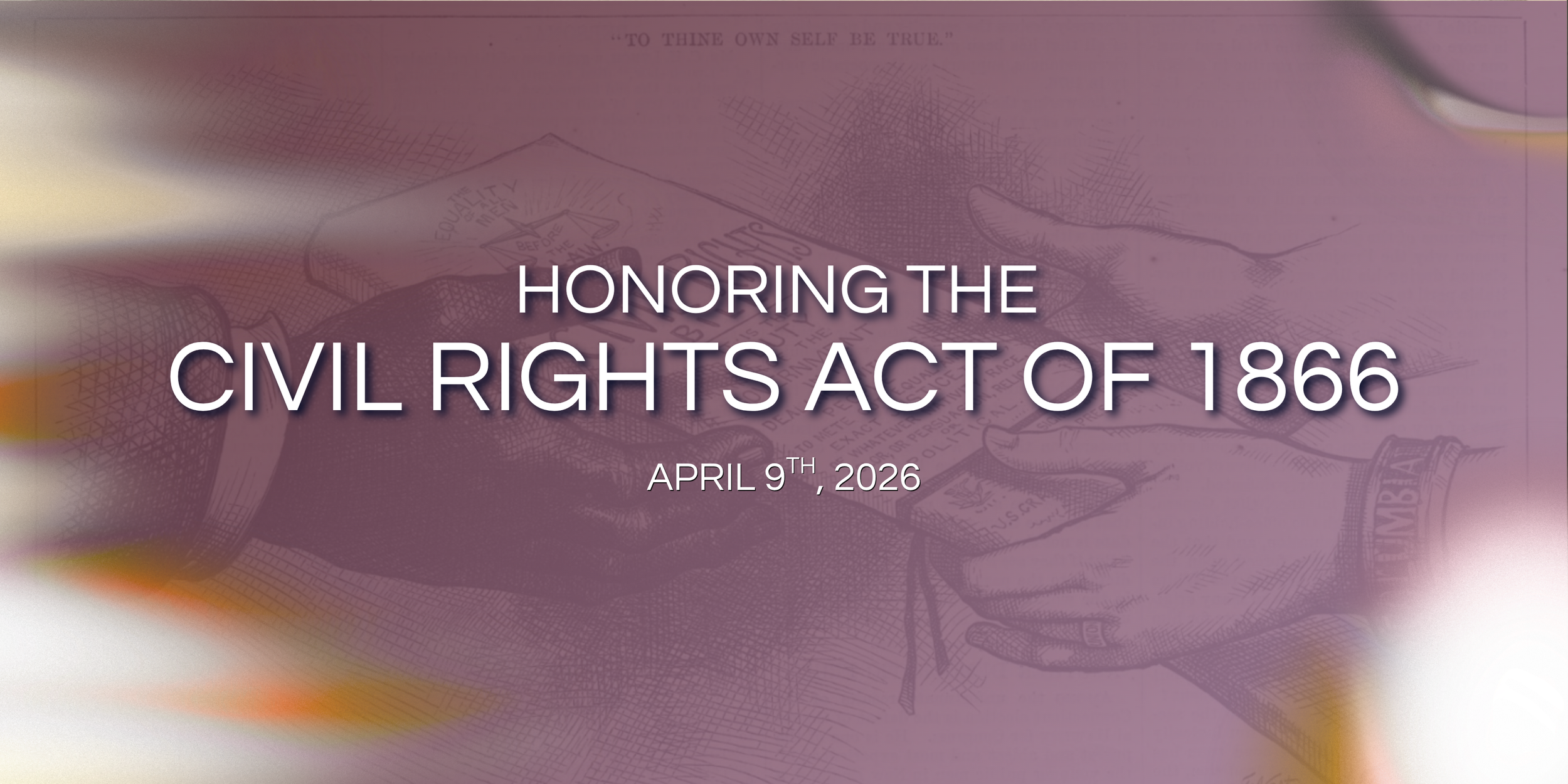
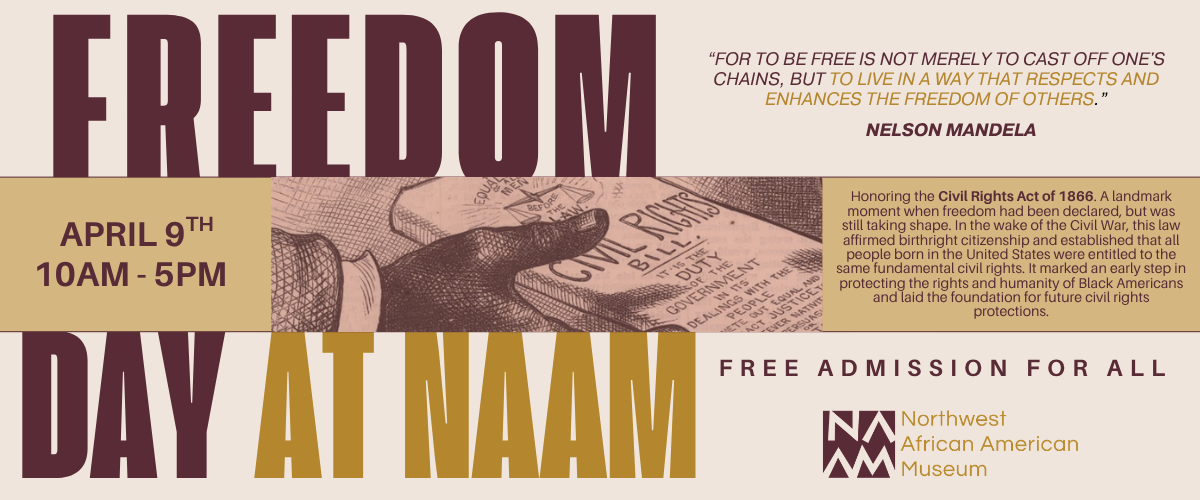
On this Freedom Day, April 9 2026, we honor the Civil Rights Act of 1866—a defining moment in the nation’s first attempt to give meaning to freedom. Passed in the aftermath of the Civil War, at a time when freedom had been declared but was still taking shape, this landmark law affirmed birthright citizenship and established that all people born in the United States were entitled to the same fundamental civil rights under the law.
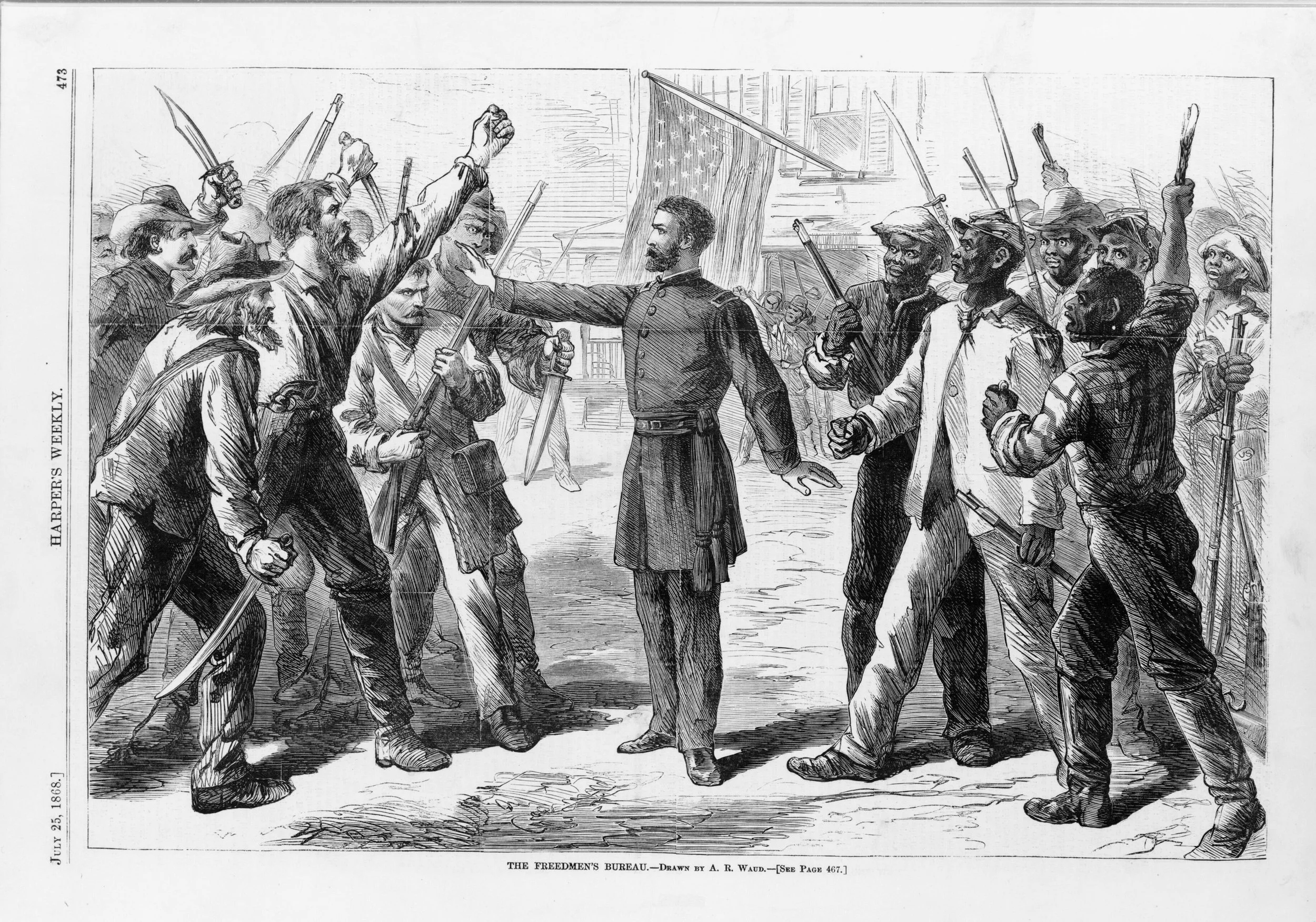
In the face of Black Codes and widespread resistance, the Act marked a powerful shift—one of the first major moments the federal government asserted its role in protecting the rights, dignity, and humanity of Black Americans. Though its passage did not end the struggle, it laid the foundation for Reconstruction and the generations of civil rights advancements that followed.
The legacy of the Civil Rights Act of 1866 reminds us that freedom is not only declared—it must be defined, protected, and carried forward. And in that way, this history is not only a reflection of the past, but a call that continues to unfold today.
Defining Freedom Forward
The Civil Rights Act of 1866 emerged at a pivotal moment in American history, when the end of slavery had not yet translated into true freedom. In the years following the Civil War, newly emancipated Black Americans faced Black Codes and widespread resistance that sought to limit their rights and autonomy. In response, Congress took unprecedented action. Through this landmark legislation, the federal government established, for the first time, a national definition of citizenship and affirmed that Black Americans were entitled to the same fundamental civil rights as white citizens in areas such as contracts, property, and access to the courts.
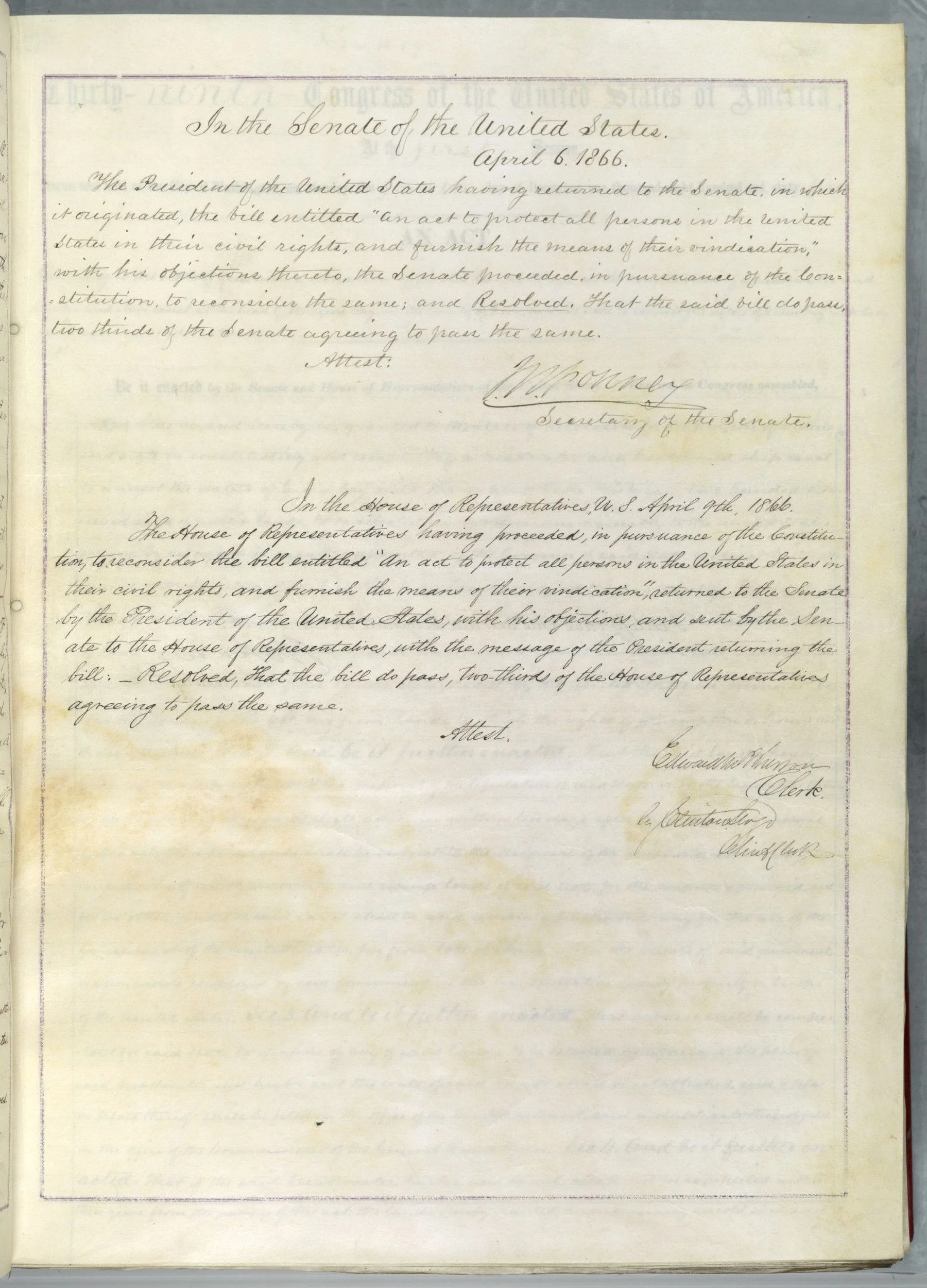
The passage of the Act was not without conflict. President Andrew Johnson vetoed the bill, reflecting deep opposition to racial equality at the highest levels of government. Yet in a historic move, Congress overrode the veto, marking the first time a major civil rights bill became law over a presidential veto. This moment signaled a profound shift. When states failed to protect the rights of Black citizens, the federal government would step in. The Civil Rights Act of 1866 became the legal foundation for Reconstruction and helped pave the way for the Fourteenth Amendment, embedding citizenship and equal protection more firmly into the Constitution.
Though the law did not end violence, discrimination, or the struggle for equality, its legacy endures. It represents one of the nation’s earliest commitments to recognizing the rights and humanity of Black Americans under the law. More than a legal milestone, the Civil Rights Act of 1866 reminds us that freedom must be actively defined, protected, and expanded. It stands as a testament to the ongoing pursuit of justice, one that continues to shape the American story today.
Did You Know?
The Civil Rights Act of 1866 was the first law to define citizenship at the federal level, creating a national standard instead of leaving it up to individual states.
This law established that Black Americans were entitled to the same basic civil rights as white citizens, including rights related to contracts, property, and the courts.
The Civil Rights Act of 1866 marked a turning point in federal power, making it clear that the government had a role in protecting individual rights when states failed to do so.
This landmark law laid the foundation for future civil rights legislation, including the Civil Rights Act of 1964 and the Voting Rights Act of 1965.
Why It Matters Today
Though passed 160 years ago, the Civil Rights Act of 1866 remains embedded in U.S. law today—particularly in statutes like 42 U.S.C. § 1981, which guarantees equal rights in contracts regardless of race.
Its relevance endures in several ways:
1. It reminds us that freedom requires enforcement
The gap between law and lived reality—visible in 1866—is still present today. Rights must be actively protected.
2. It exposes the unfinished work of equality
The backlash following its passage mirrors ongoing struggles around voting rights, economic equity, and justice.
3. It affirms the role of government in safeguarding civil rights
Debates over federal vs. state power continue—but 1866 established a clear precedent: when states fail to protect citizens, the federal government must act.
4. It centers dignity as a legal principle
At its core, the law is about recognition—of personhood, agency, and belonging.