<< This Month’s Freedom Day >>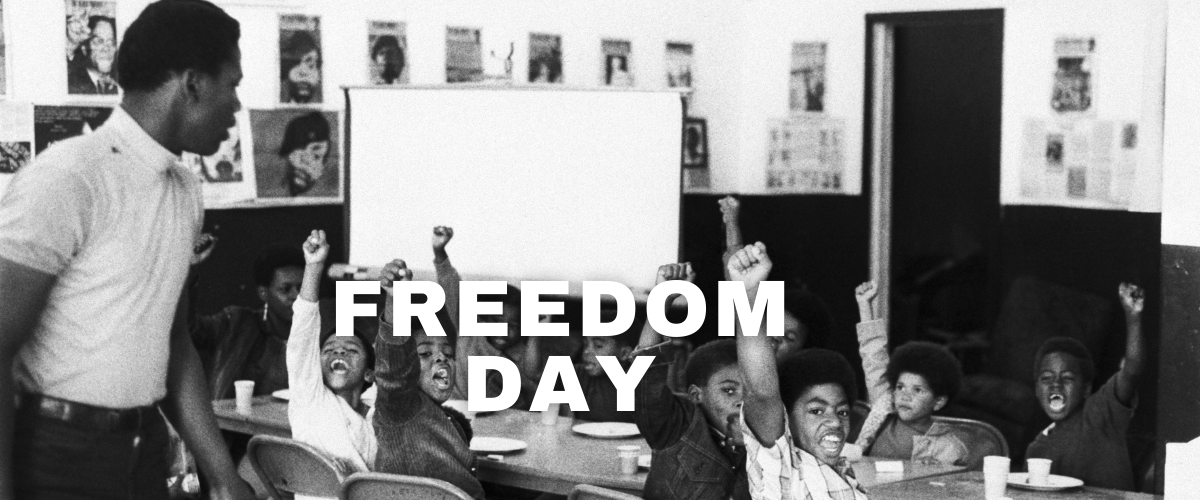
Freedom Day is NAAM’s monthly free admission day, honoring the history, culture, and movements that continue to shape the pursuit of freedom for all.
Pride Month: Remembering the Notable Black Figures of the Stonewall Era
Celebrate Freedom Day with us on June 28, 2026, as we join communities across Seattle and the Pacific Northwest in celebrating Pride Month and honoring the Black LGBTQ+ individuals whose courage, creativity, and activism continue to shape history. June 28th is recognized globally as the LGBTQ+ Pride Day, honoring the anniversary of the Stonewall Riots in New York City. Through moments of resistance, care, leadership, and self-expression, generations of Black LGBTQ+ trailblazers have challenged injustice while creating space for others to live more freely and authentically. Their stories are not only part of LGBTQ+ history, but part of Black history, American history, and the ongoing pursuit of equality and liberation. As you explore the lives and legacies of Marsha P. Johnson, Miss Major Griffin-Gracy, CeCe McDonald, and many others, we invite you to reflect on the power of community, resilience, and the lasting impact of those who dared to imagine a more inclusive world.


Voices of Courage and Change
Black LGBTQ+ activists have played a vital role in movements for equality, justice, and community care across generations.
Their advocacy, resilience, and leadership continue to shape conversations around identity, liberation, and human rights today.
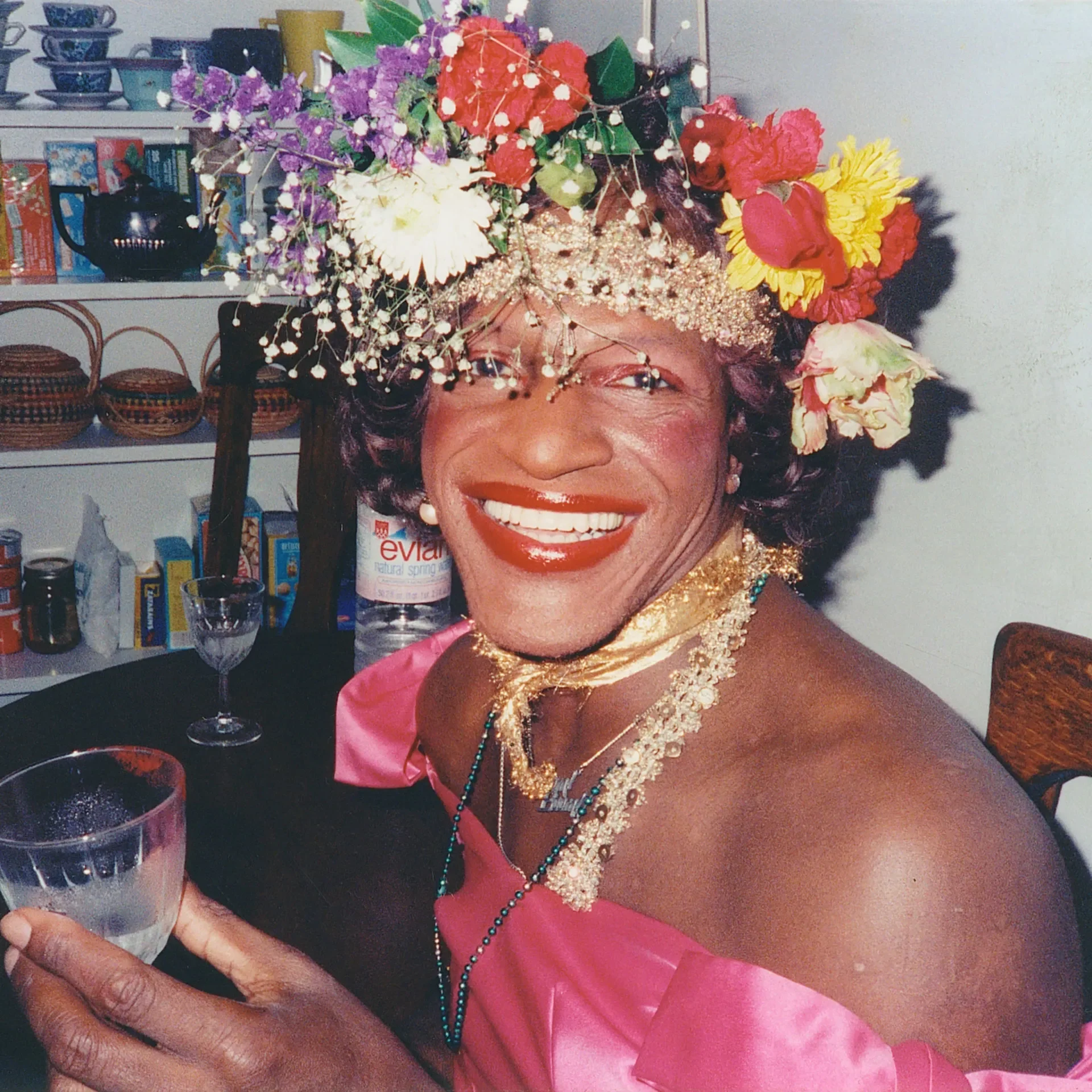
Marsha P. Johnson is one of the most recognized names within the Black, LGBTQ+ community.
She was a prominent figure in the gay rights movement of the 1960s and 1970s, known for her activism, vibrant personality, and dedication to marginalized communities. Born in 1945 in Elizabeth, New Jersey, she grew up in a working-class African American family and later moved to New York City with very little money to start a new life. Johnson became widely recognized for her role in the Stonewall uprising, where she was present during the protests that helped spark the modern LGBTQ+ rights movement. She used the phrase “Pay It No Mind” (The “P” as her middle initial is inspired by this line) as her signature response to questions about her identity, reflecting her resilience and humor. Alongside Sylvia Rivera, she co-founded Street Transvestite Action Revolutionaries (STAR), an organization that supported homeless transgender youth. Johnson also advocated for people affected by HIV/AIDS and frequently worked to support those experiencing homelessness. Despite facing poverty, discrimination, and legal challenges, she remained committed to activism and community care. Her legacy endures as a symbol of courage and compassion within the fight for LGBTQ+ rights.
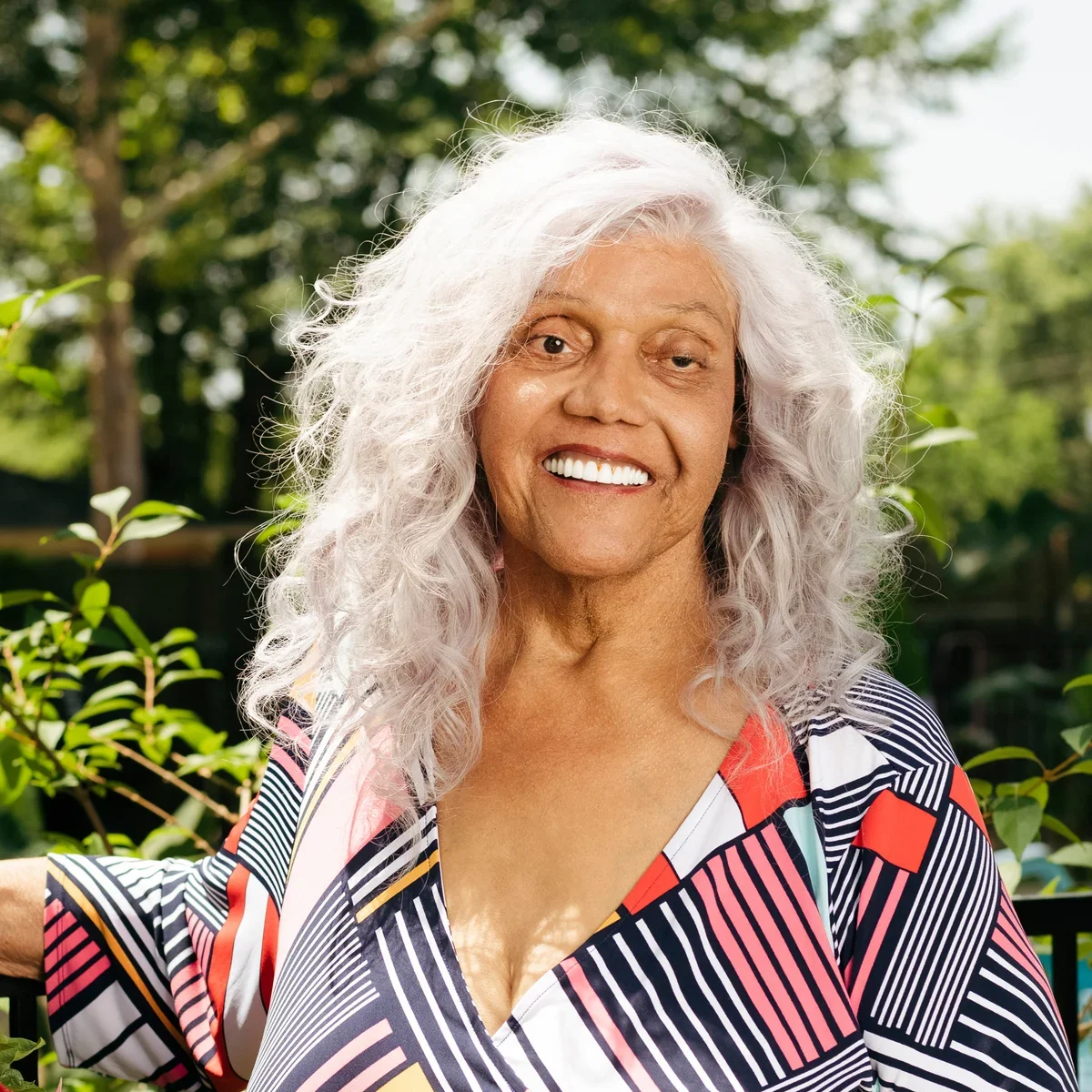
Miss Major Griffin-Gracy was a pioneering Black transgender activist who dedicated her life to advocating for marginalized communities, especially trans women of color.
Born in Chicago in the 1940s, she faced early rejection and hardship due to her gender identity, experiences that shaped her lifelong commitment to activism. She was present during the Stonewall Riots, an event that helped ignite the modern LGBTQ+ rights movement, and remained active in the struggle for decades afterward. Throughout her life, she worked to address issues such as police brutality, incarceration, and systemic inequality affecting transgender people. Miss Major also became known as a “community mother,” providing guidance, support, and care to younger generations of activists. She played a leadership role in organizations like the Transgender Gender-Variant & Intersex Justice Project, focusing on incarcerated trans individuals. In addition, she founded safe spaces such as House of GG (Griffin-Gracy) to support healing and empowerment within the community. Her legacy is defined by resilience, compassion, and a deep commitment to justice and liberation for those most often overlooked.
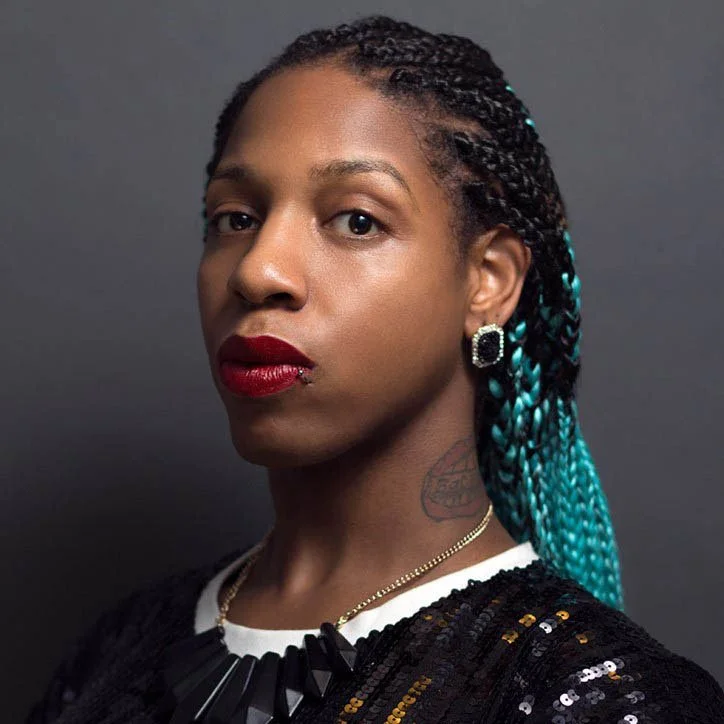
CeCe McDonald is a Black transgender activist whose story became a powerful focal point in conversations at self-defense, systemic injustice, and the rights of transgender people.
In 2011, she survived a violent, transphobic attack in Minneapolis, during which one of her attackers died; she was later convicted of second-degree manslaughter and incarcerated, drawing national attention from LGBTQ+ advocates. Many supporters argued her case reflected broader patterns of discrimination and criminalization faced by trans women of color. During and after her imprisonment, activists organized campaigns calling for her release and highlighting issues within the prison system, especially for transgender inmates. After her release in 2014, McDonald became a prominent speaker and advocate, focusing on prison abolition, racial justice, and transgender rights. She has worked with organizations such as Black Lives Matter and participated in documentaries like Free CeCe!, which explores her case and its broader implications. McDonald uses her platform to amplify the voices of marginalized communities and challenge systems of oppression. Her role in the LGBTQ+ community is defined by her advocacy for justice, her resilience, and her commitment to intersectional activism.
Did You Know?