
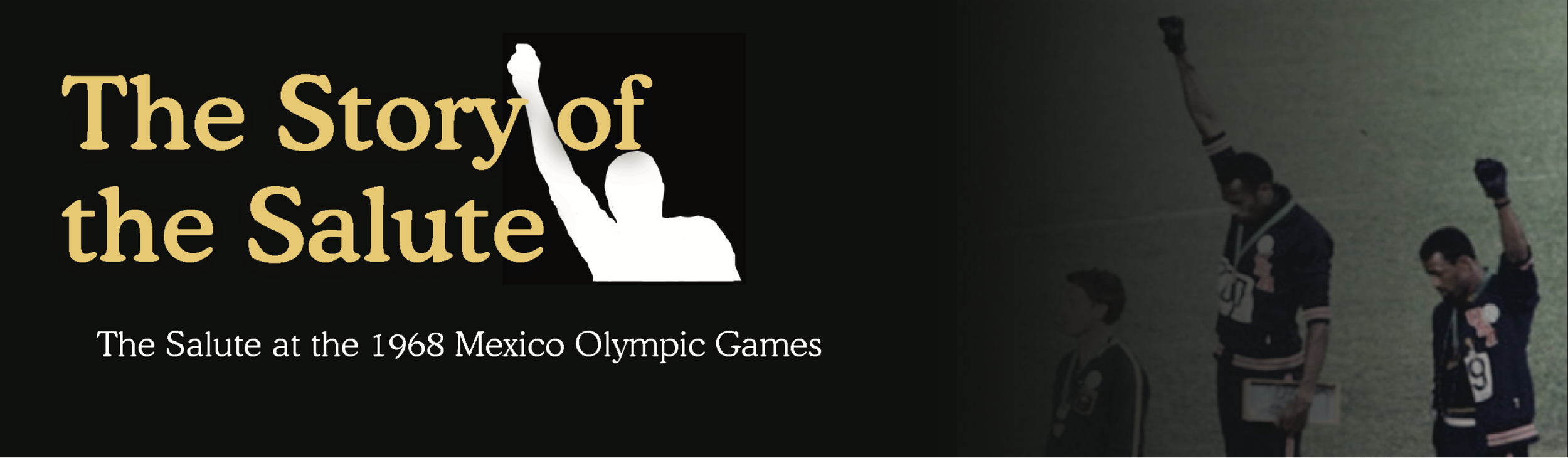
At the 1968 Mexico City Olympics, athletes Tommie Smith, John Carlos, and Peter Norman transformed a medal ceremony into one of the most powerful acts of protest in sports history. Inspired by sociologist and Olympic Project for Human Rights (OPHR) founder Harry Edwards, their actions challenged racial injustice, economic inequality, and discrimination in sport and society. Set against the backdrop of the Civil Rights Movement, global unrest, and the ongoing fight for human rights, the protest sparked conversations that continue more than five decades later. Explore the history, symbolism, consequences, and enduring legacy of the Olympic Black Power Salute and the movement that helped shape it.
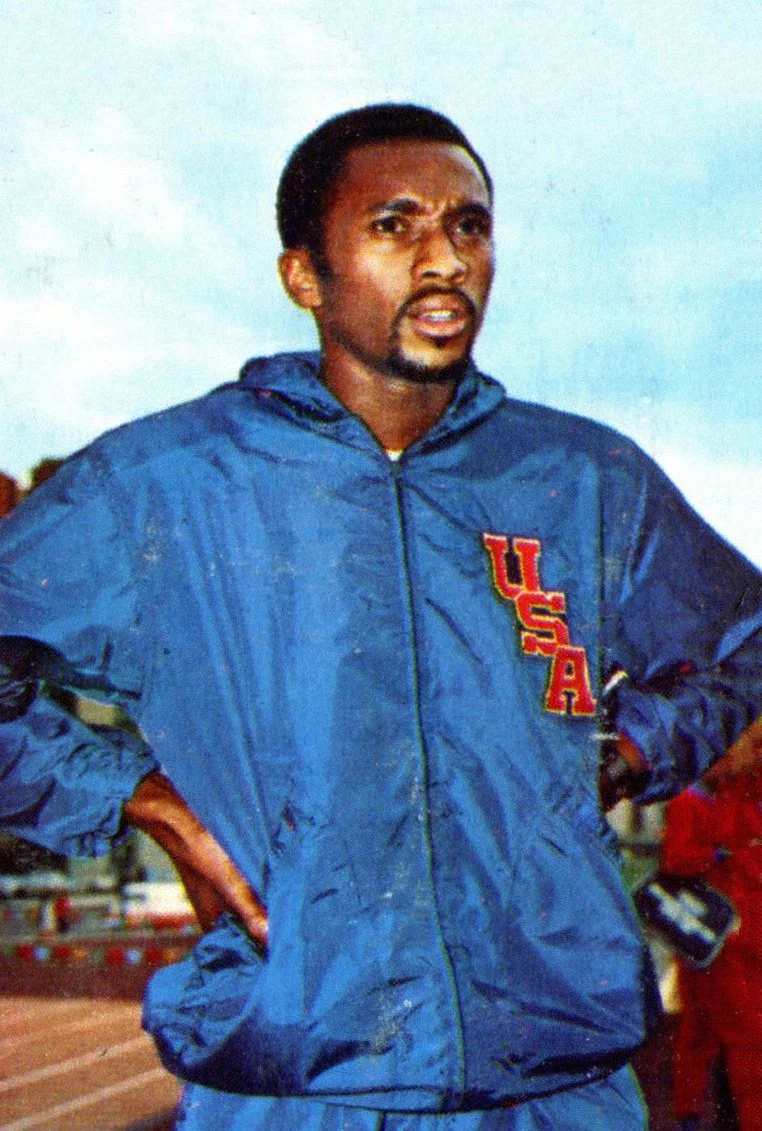
Tommie Smith
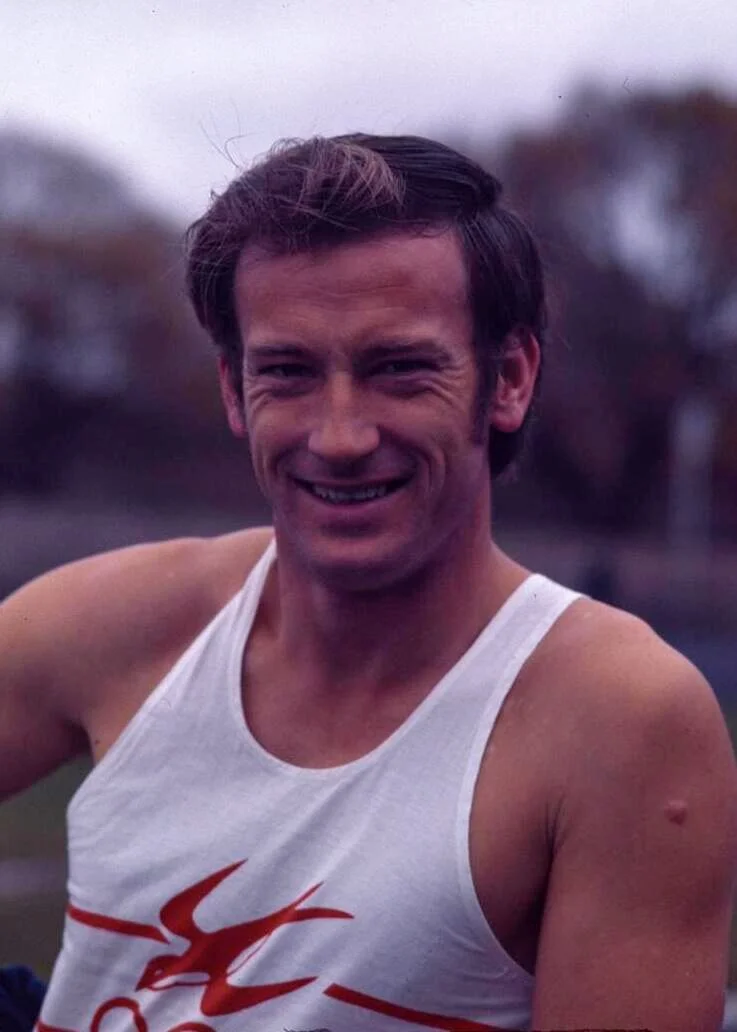
Peter Norman
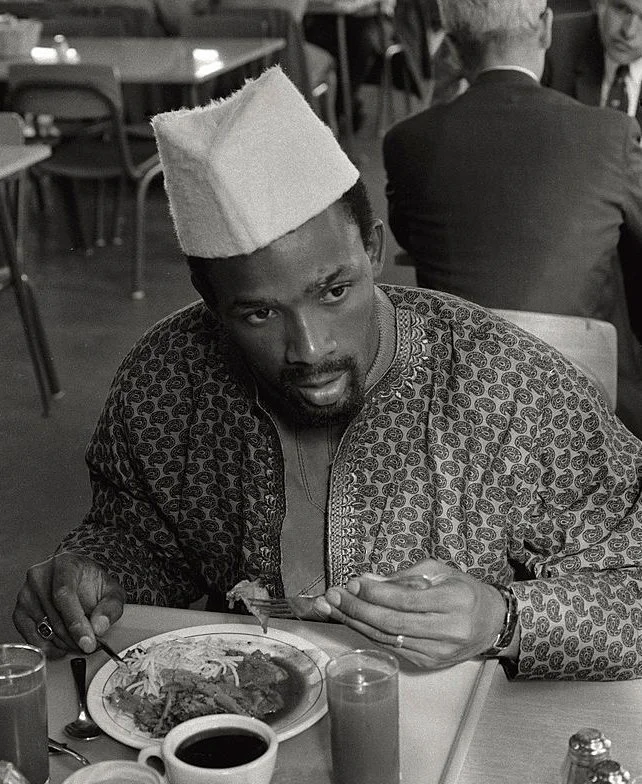
John Carlos
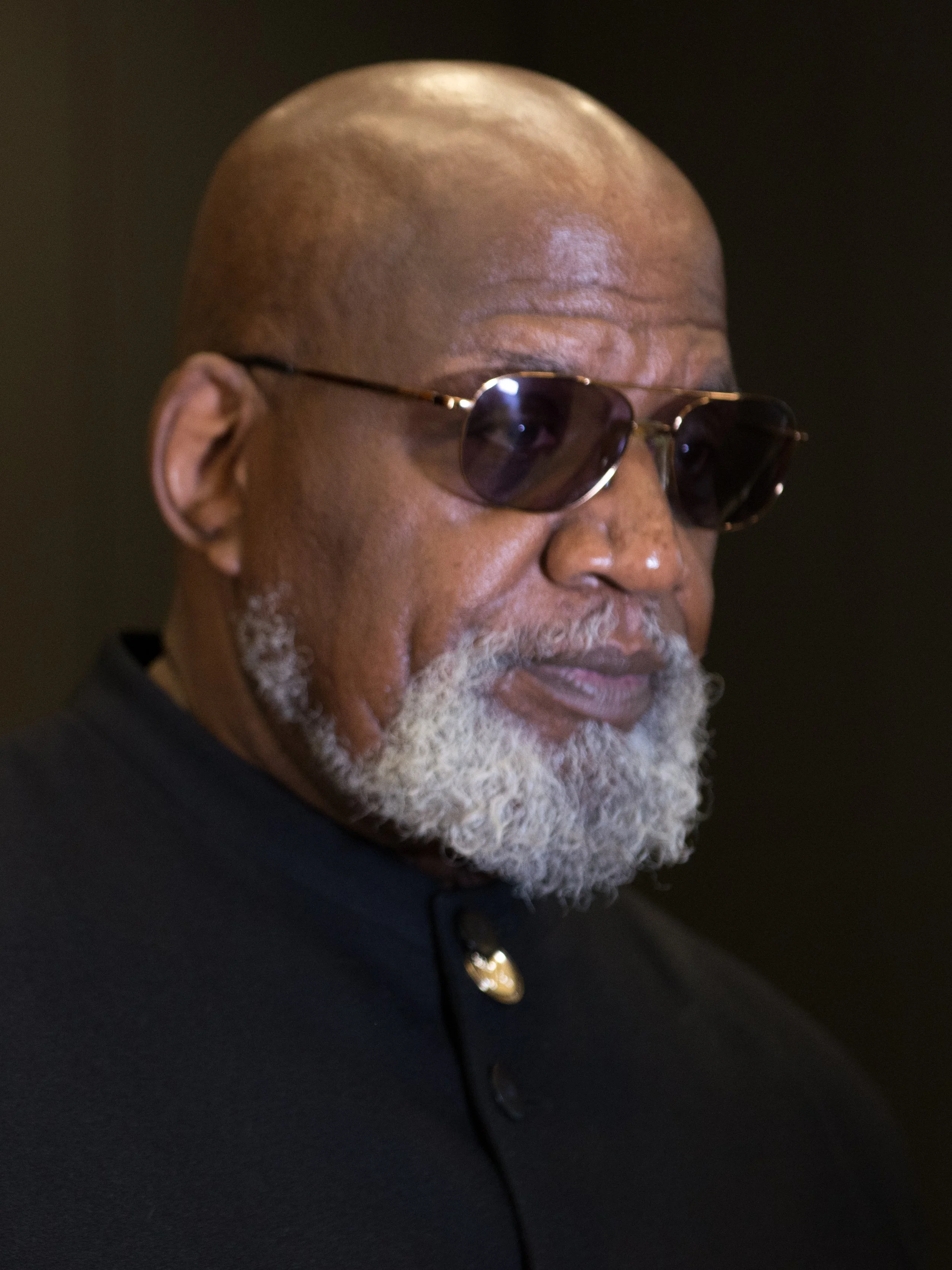
Harry Edwards
EXPLORE THE STORY OF THE SALUTE
-
The Salute at the 1968 Olympics was an act of protest on a global stage. The consequences were swift and long-lasting, but the legacy left by the men on the podium is solidified in history today as an act of heroism.
-
This exhibition follows the story of the raised gloved fist salute at the 1968 Mexico City Olympics. The exhibit not only tells the story of what happened on the podium, but also follows the people involved from their upbringings to the lasting legacies left by the athletes on the podium.
This exhibition explores the story behind the raised-gloved-fist salute at the 1968 Mexico City Olympics. Beyond the iconic moment on the medal podium, the exhibit traces the lives of the athletes involved—from their early upbringings to the enduring legacies they left through their activism, achievements, and impact on society.
-
Originally born in Texas, Smith’s family moved to California in his youth where they worked as field laborers, leading Smith to turn to running as a path out of poverty. Smith went on to become a standout student-athlete at San Jose State University where he solidified himself as a world-class sprinter.
While attending SJSU, Smith experienced firsthand the inequalities faced by Black student-athletes. In response, Smith joined the United Black Students for Action to challenge racial injustice on campus, which later evolved into the Olympic Project for Human Rights.
-
Born in 1945, Carlos grew up in Harlem, New York, where he witnessed the effects of racial discrimination, economic hardship, and the systemic barriers that have restricted access and opportunity for Black communities. Leaving Harlem in 1967, he briefly attended East Texas State University before transferring to San Jose State University in May of 1968. He left not only for greater athletic opportunities, but to leave behind the segregation and racism he faced while attending East Texas State.
At SJSU, Carlos became one of the nation’s top track athletes and a committed activist, leading him to become involved with the Olympic Project for Human Rights
-
Born and raised in Melbourne, Australia, Norman came up in a hardworking, religious family. His parents' involvement in the Salvation Army had emphasized the importance of humanitarianism and solidified his beliefs in equality.
Norman had grown up during the era of the “White Australia Policy”, when Australia restricted immigration from non-European backgrounds. The policy shaped Norman’s awareness of racial injustice.
-
Originally from East St. Louis, IL, Edwards became the first Black student-athlete to graduate from San Jose State since the 1950s. Afterwards, he pursued graduate studies in Sociology at Cornell University, focusing on Black sociology. After leaving Cornell, he served as a visiting professor at San Jose State from 1966 to 1968.
During his time at SJSU, Edwards helped establish the Olympic Project for Human Rights (OPHR), an organization that advocated for a boycott of the 1968 Summer Olympics.
-
The Story of the Salute reflects the Northwest African American Museum’s commitment to preserving Black history, honoring the ongoing struggle for civil rights, and cultivating healing and hope for all. The actions of Tommie Smith, John Carlos, Peter Norman, and Harry Edwards demonstrate how individuals can use their platforms to challenge injustice, inspire solidarity, and advance the pursuit of equality.
Set against the backdrop of the Civil Rights Movement, the 1968 Olympic Black Power Salute remains a powerful reminder that progress often comes at a personal cost. The athletes faced immediate consequences for their actions, yet their courage created a lasting legacy that continues to influence conversations about activism, sports, and human rights today.
As Seattle welcomes the world through global sporting events and community celebrations like Juneteenth, this exhibition invites visitors to reflect on the power of collective action and the work that remains in building a more just and equitable future.
-
The Story of the Salute invites visitors to engage with history beyond the gallery walls. Through interactive elements such as a replica Olympic podium, an Olympic Project for Human Rights pin-making activity, and a coloring station, guests can connect with the story in meaningful and personal ways.
Visitors are encouraged to reflect on the causes, values, and communities they would stand up for today. Download the interactive worksheet before your visit or pick one up in the gallery, then share your response by adding it to our community display wall. Together, these collective reflections create a living testament to the enduring power of courage, solidarity, and action.
By connecting the historic salute to contemporary issues and personal experiences, the exhibition bridges past and present, inviting visitors of all ages to explore the lasting relevance of athlete activism and the ongoing pursuit of justice.
*Image Credit: Harry Edwards speaks with members of the press following President Barack Obama's keynote address at the Civil Rights Summit at the LBJ Presidential Library in Austin, Texas, on April 10, 2014. Photograph by Lauren Gerson for the LBJ Library. Photo of Peter Norman. National Archives of Australia (NAA): K23783,
Sydney 1970. Photo of Tommie Smith. Campioni Dello Sport 1969/70-n. 12-Tommie Smith (USA) Photo of John Carlos by Mario De Biasi, Mondadori Publishers, 1968.