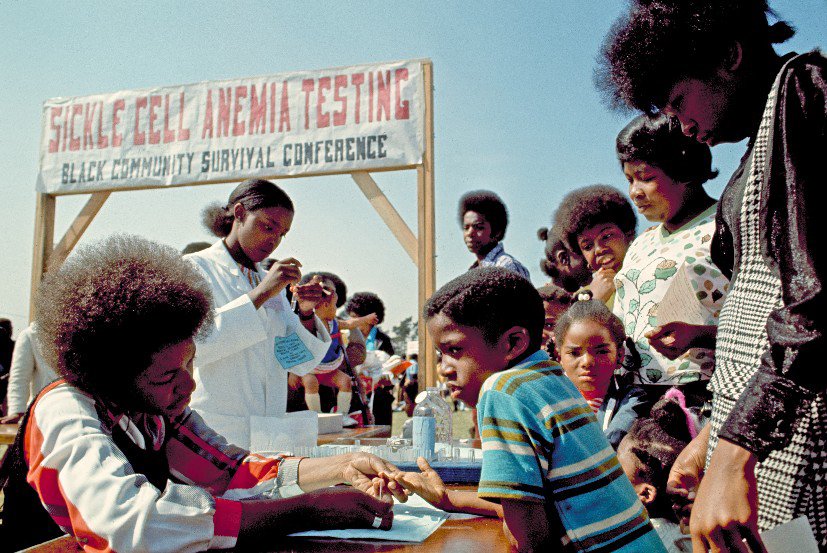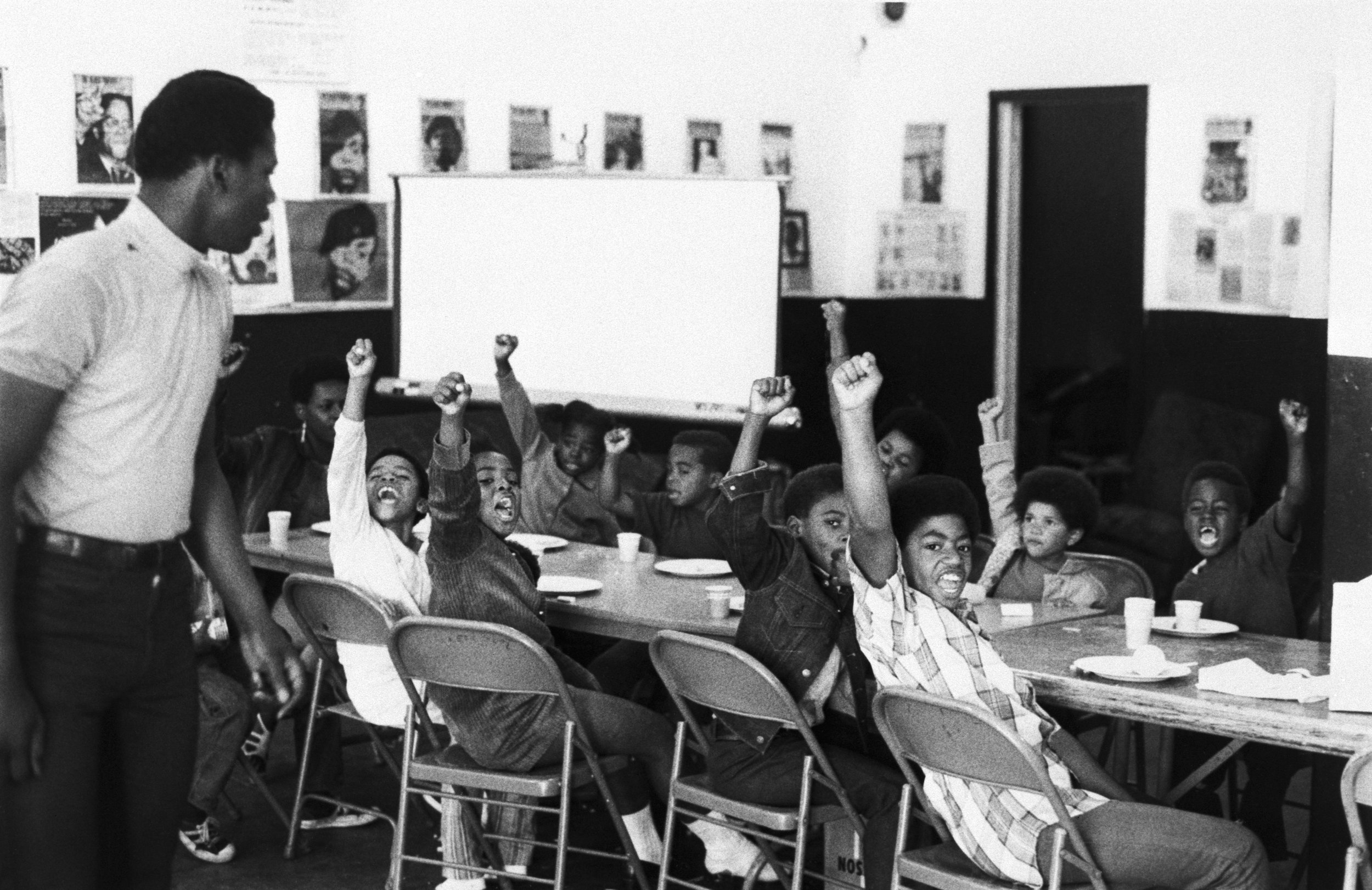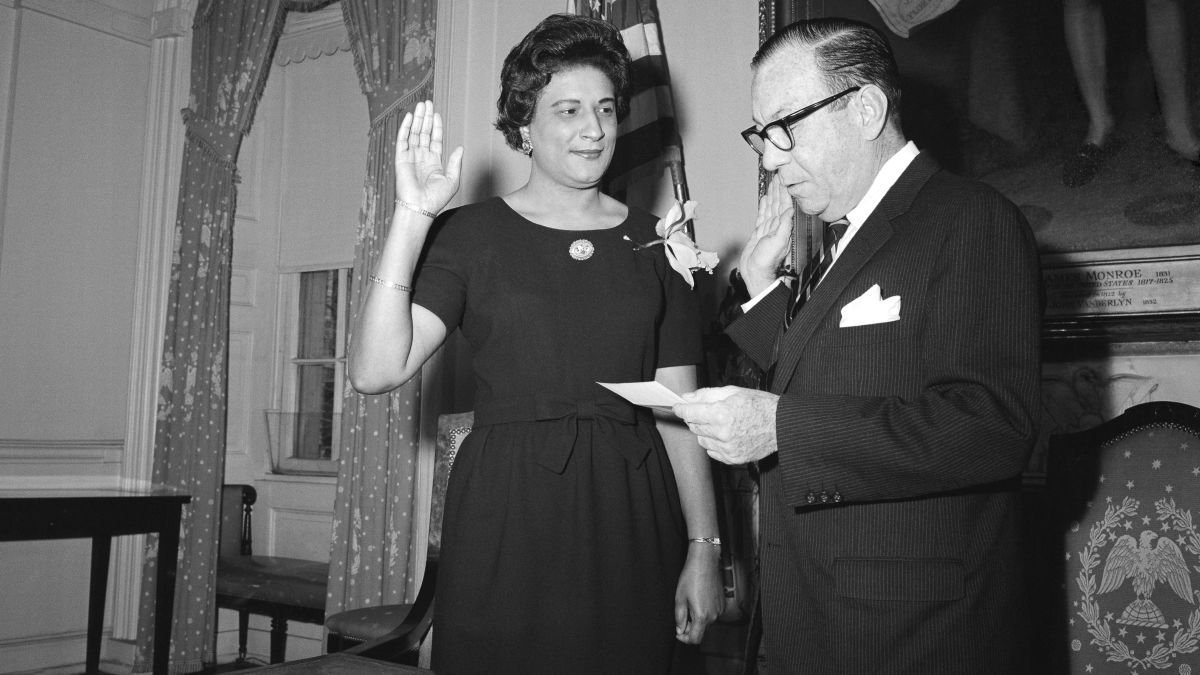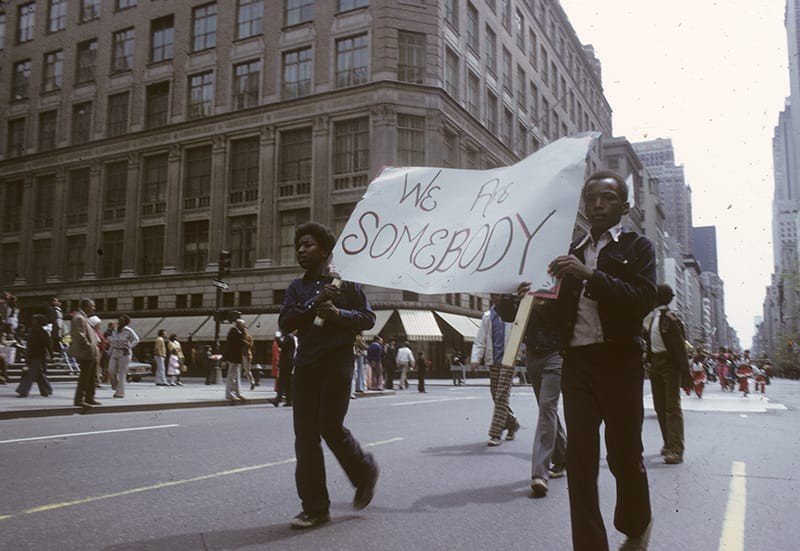
Freedom Day is NAAM’s monthly free admission day, honoring the history, culture, and movements that continue to shape the pursuit of freedom for all.FREEDOM REQUIRES MEMORY
Celebrating the 10th Anniversary of the Smithsonian National Museum of African American History and Culture
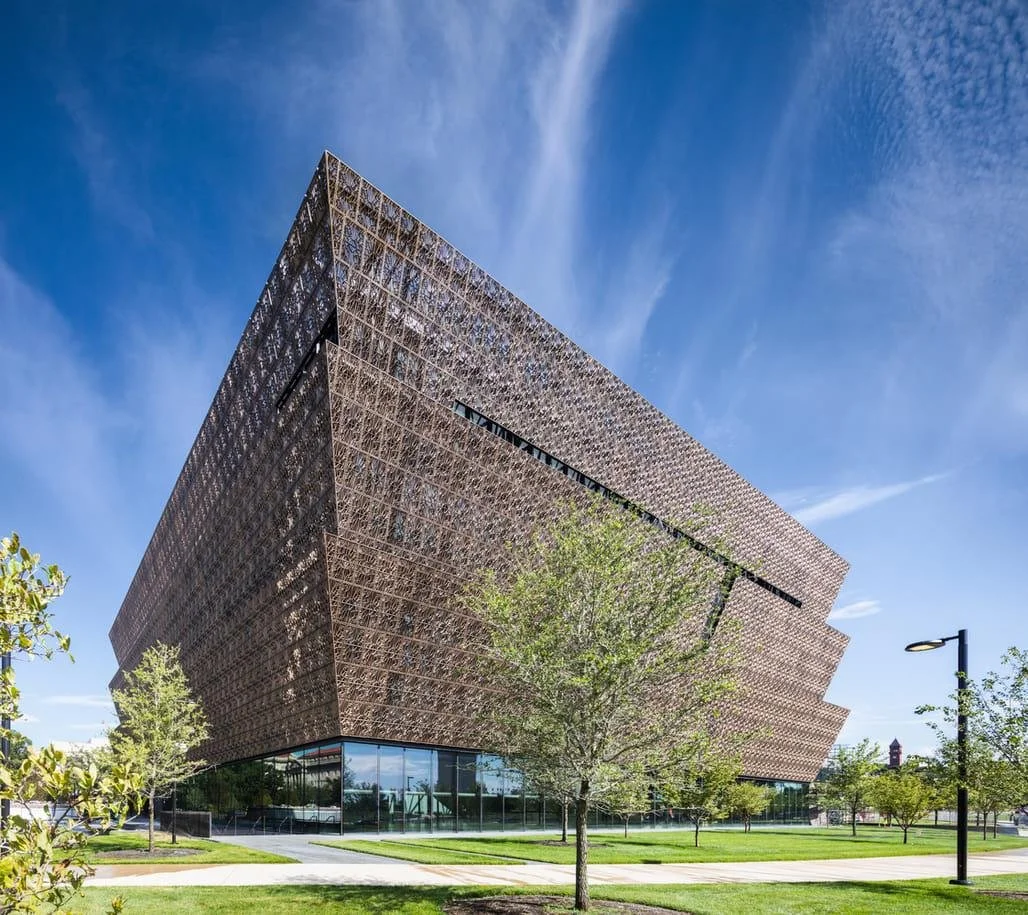
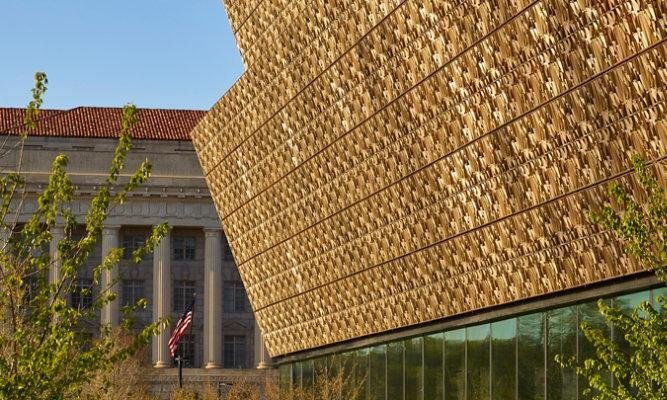
On September 24, 2016, the Smithsonian National Museum of African American History and Culture opened its doors on the National Mall in Washington, D.C.
Its opening represented far more than the dedication of a new museum.
It marked the realization of a vision more than a century in the making—and a powerful national acknowledgment of a fundamental truth:
Black history is American History
This September 24, the Northwest African American Museum recognizes the 10th anniversary of NMAAHC as a Freedom Day because preserving history, protecting memory, expanding access to knowledge, and ensuring that people can see themselves truthfully represented in the American story is essential to the pursuit of freedom.
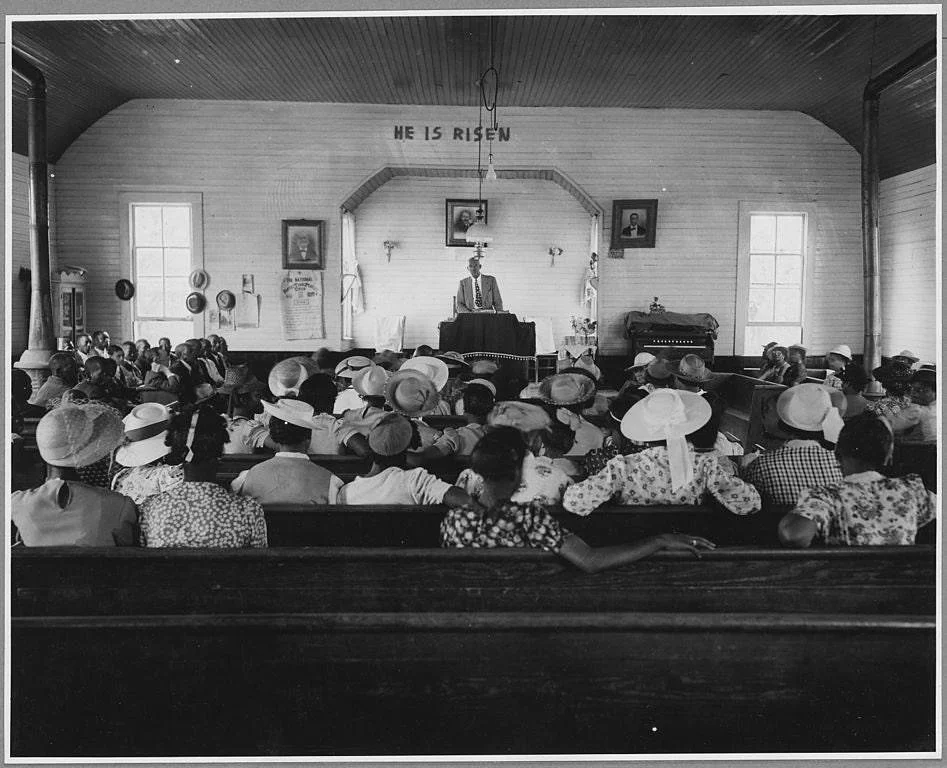
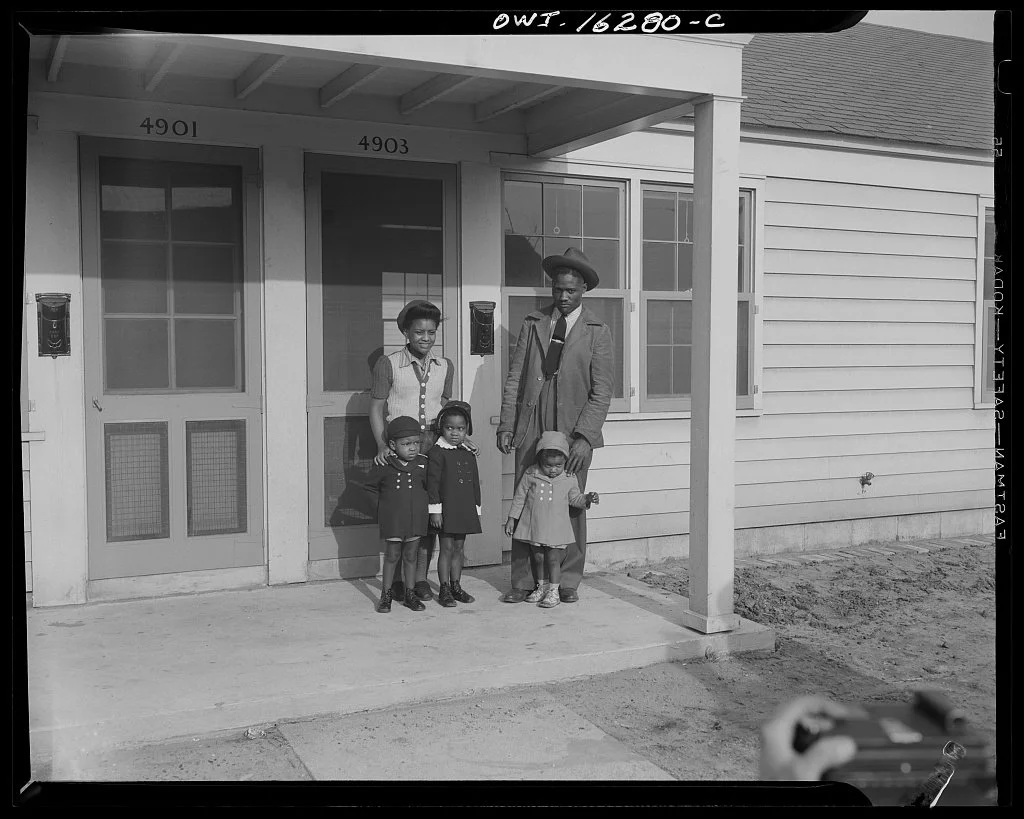
How do you build a national museum capable of telling the extraordinary breadth of the African American experience?
Part of the answer came from the American people themselves.
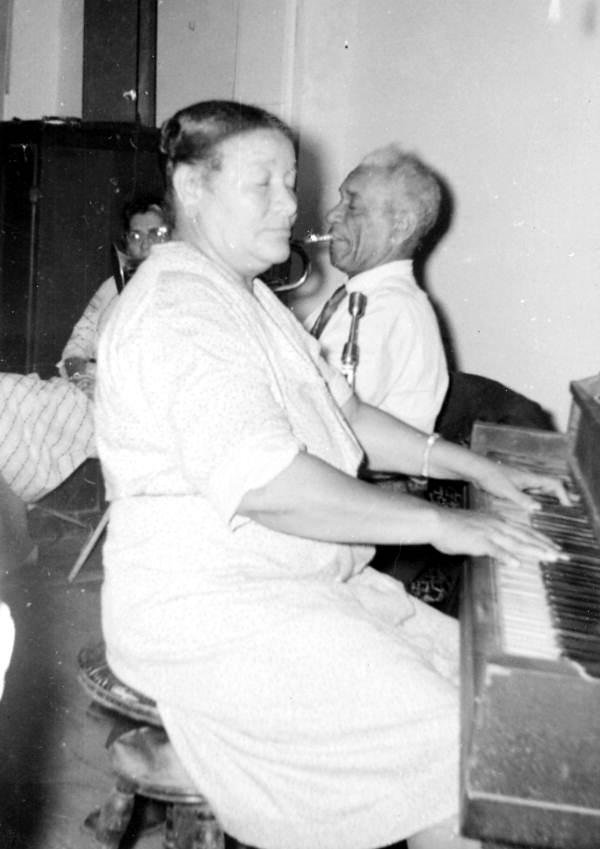
Families, churches, collectors, communities, and institutions across the country had preserved photographs, documents, clothing, artwork, recordings, and everyday objects that carried the stories of generations.
Objects that might once have been dismissed as ordinary became historical evidence.
Family memories became part of America’s memory.
And stories that had too often existed outside the nation’s major institutions began moving toward the center of its historical record.
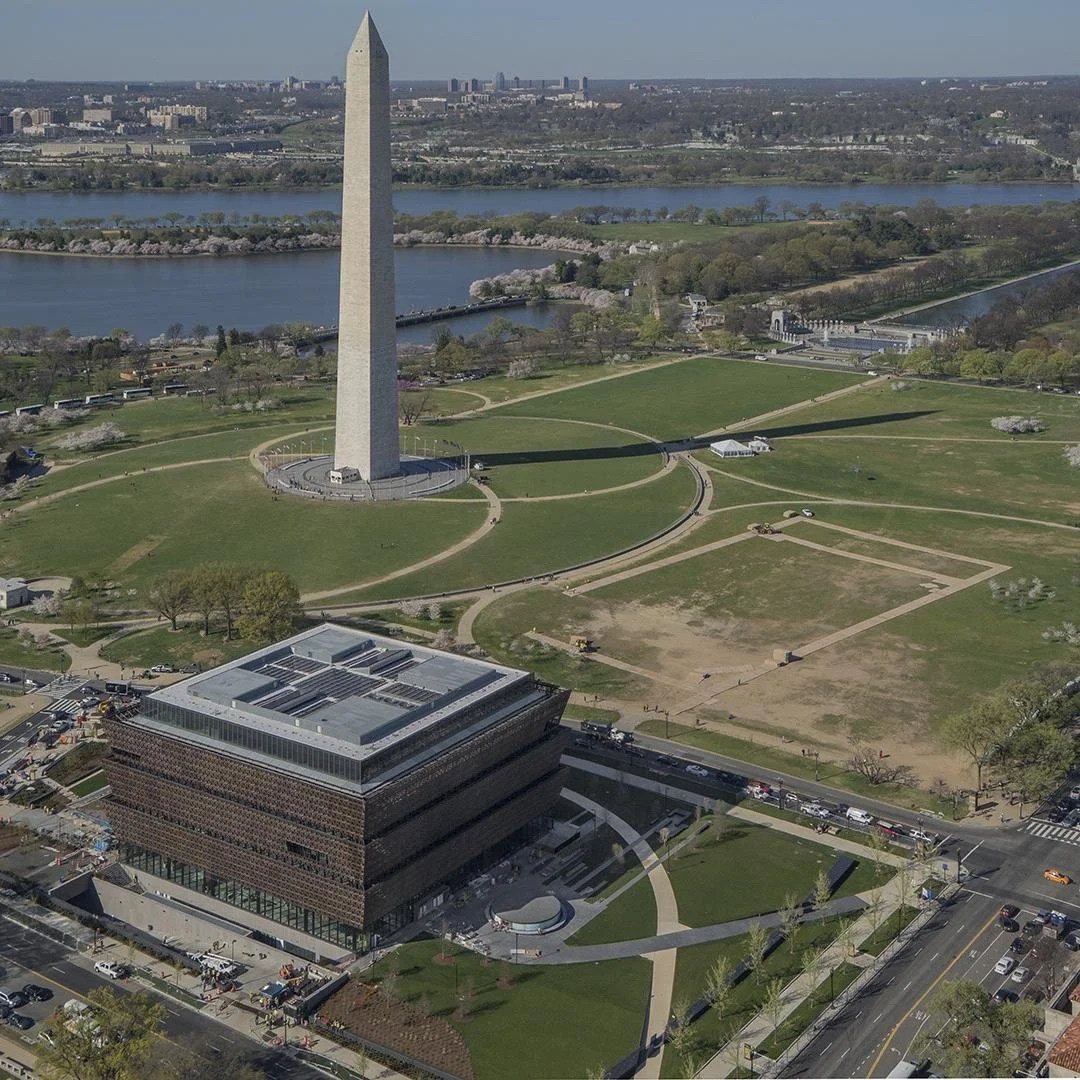
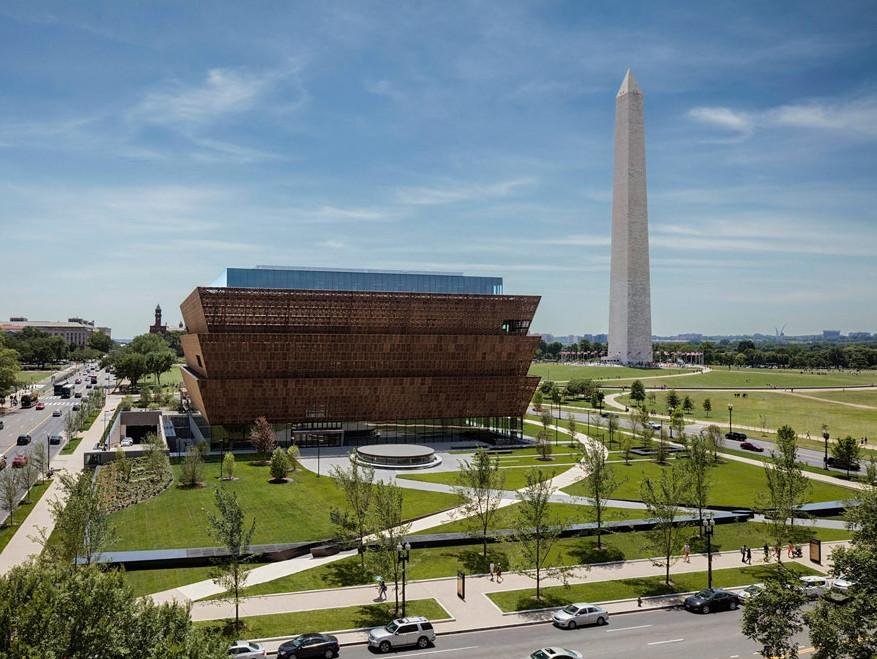
The African American story does not exist at the margins of American history. It is central to understanding America itself.
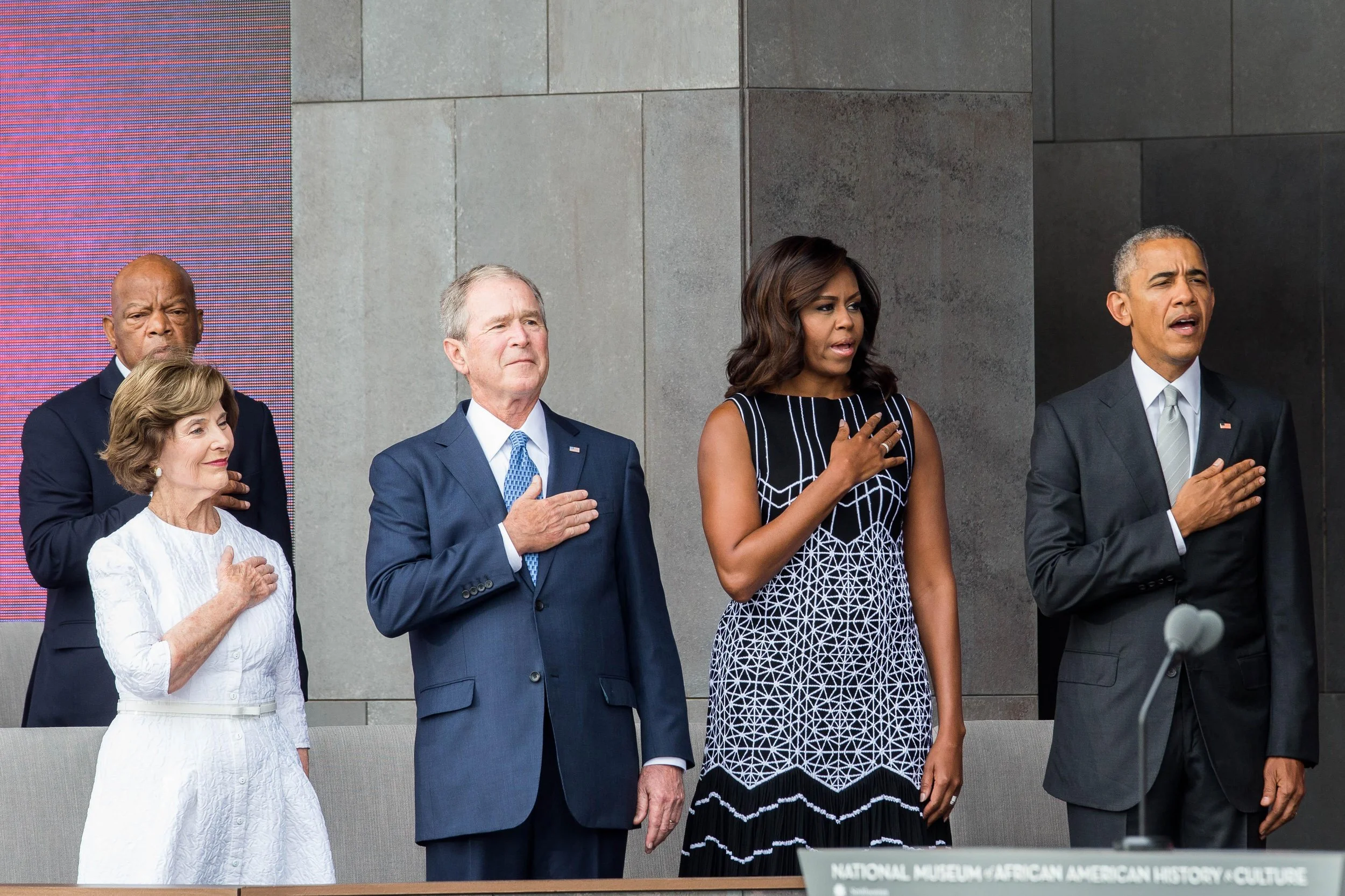
On September 24, 2016, that vision became reality when NMAAHC opened to the public as the Smithsonian Institution’s 19th museum.
The museum that had begun without a collection had gathered tens of thousands of objects. Its exhibitions explored slavery and freedom, Reconstruction, segregation, migration, military service, civil rights, community life, religion, politics, entrepreneurship, sports, music, art, culture, and the continuing Black freedom struggle.
Together, these stories offered visitors something larger than a history of African Americans.
They offered another way of understanding America.
The story of NMAAHC did not begin in 2016.
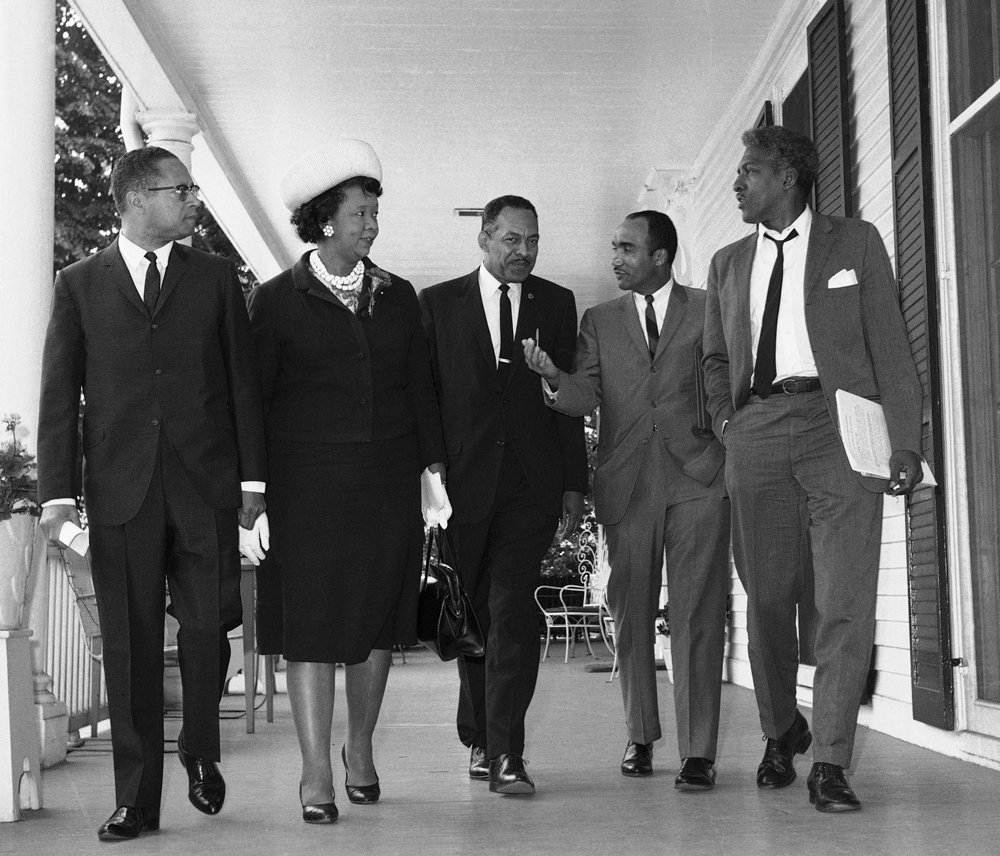
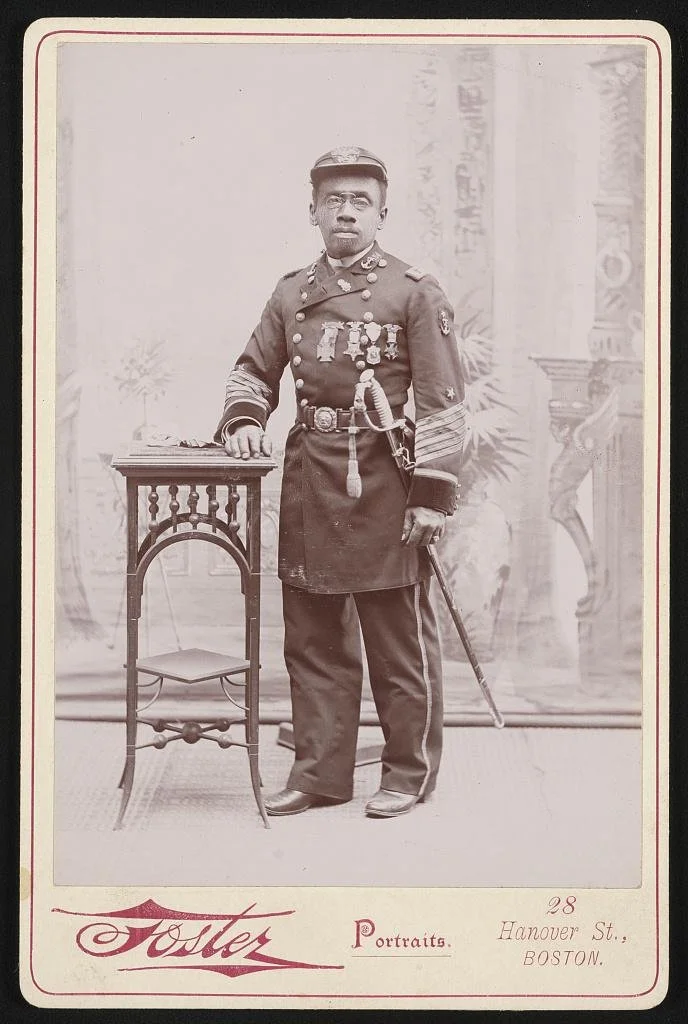
Its roots reach back to 1915, when African American Civil War veterans and other advocates began calling for a national institution that would recognize the contributions of Black Americans to the United States.
The idea endured for generations.
In 1929, the federal government established a commission to pursue a national memorial recognizing African American contributions. The envisioned memorial was never built, but the dream survived.
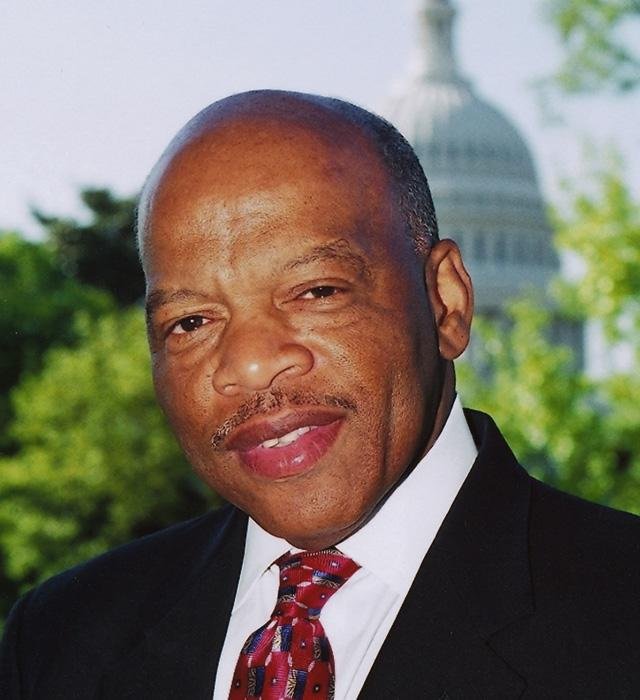
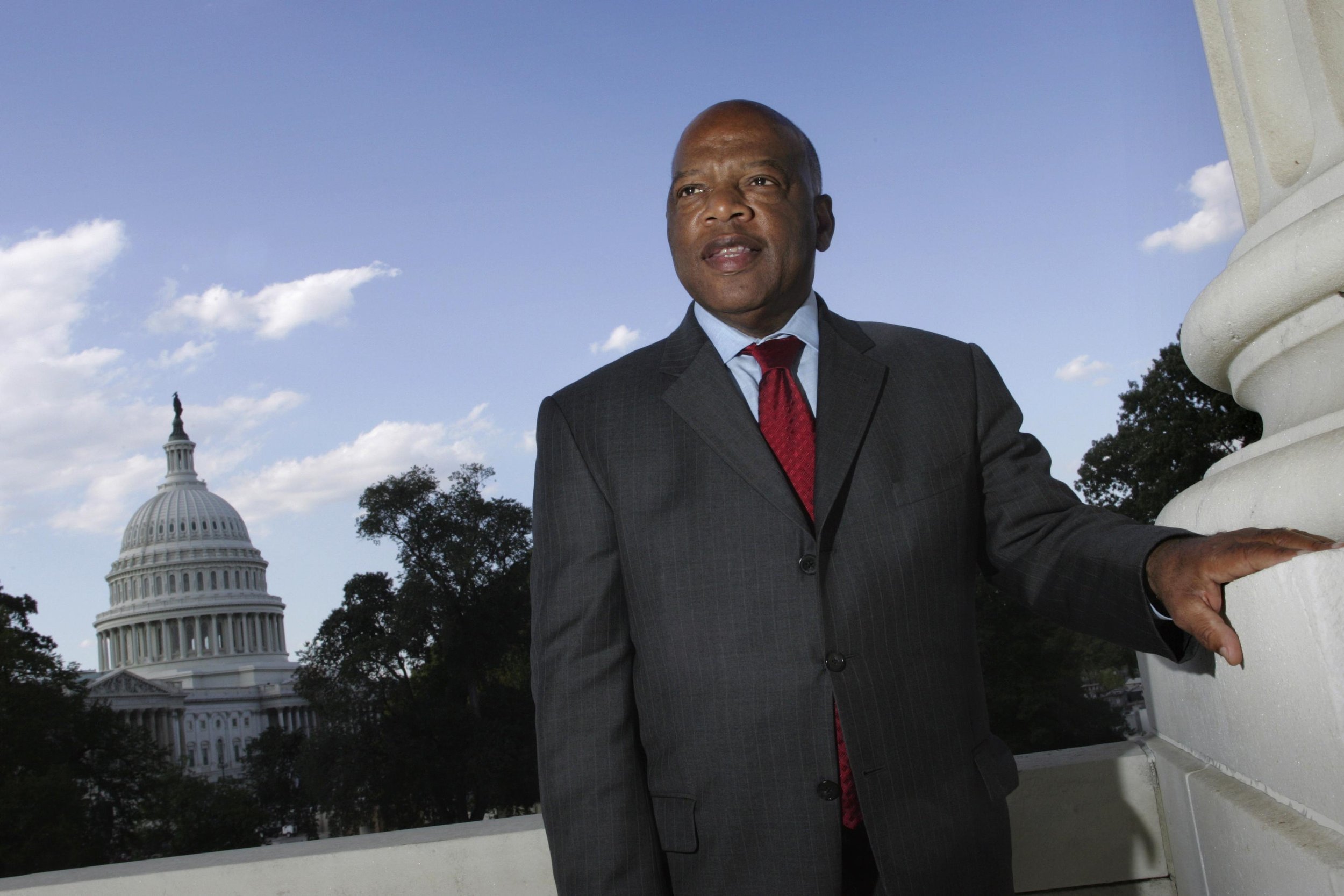
Decades later, civil rights leader and Congressman John Lewis became one of the most persistent champions of the effort. Beginning in 1988, Lewis repeatedly introduced legislation calling for the establishment of a national African American museum.
Year after year, the effort continued.
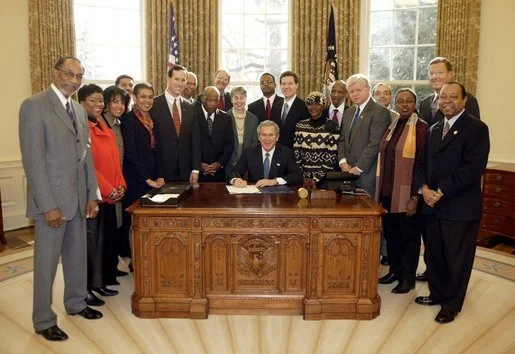
Finally, in 2003, Congress passed legislation establishing the National Museum of African American History and Culture as part of the Smithsonian Institution. President George W. Bush signed the legislation into law on December 16, 2003.
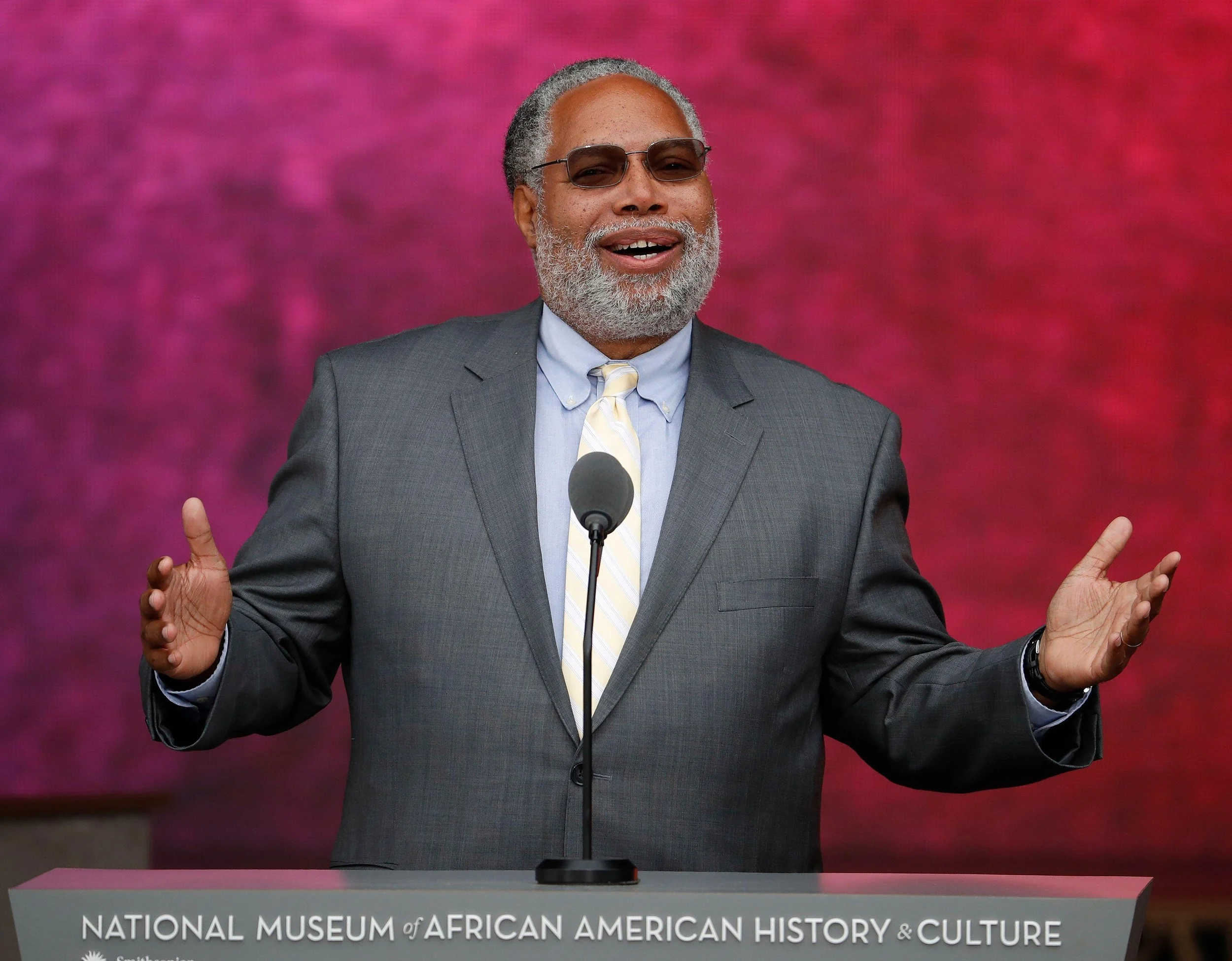
Historian Lonnie G. Bunch III was appointed the museum’s founding director in 2005.
The challenge before him and the museum’s early team was enormous. They had to build not simply a building, but an institution—developing its staff, scholarship, exhibitions, educational vision, national constituency, and collection.
And they had to answer a profound question:
Claiming a Place in America’s National Story
The location selected for NMAAHC carried extraordinary symbolic importance.
The museum would rise on a five-acre site on the National Mall, near the Washington Monument.
That location placed African American history within one of America’s most significant landscapes of national memory.
Here, among monuments and museums dedicated to presidents, wars, democracy, culture, and the nation’s founding ideals, would stand an institution devoted to the African American experience.
Its presence made a powerful statement:
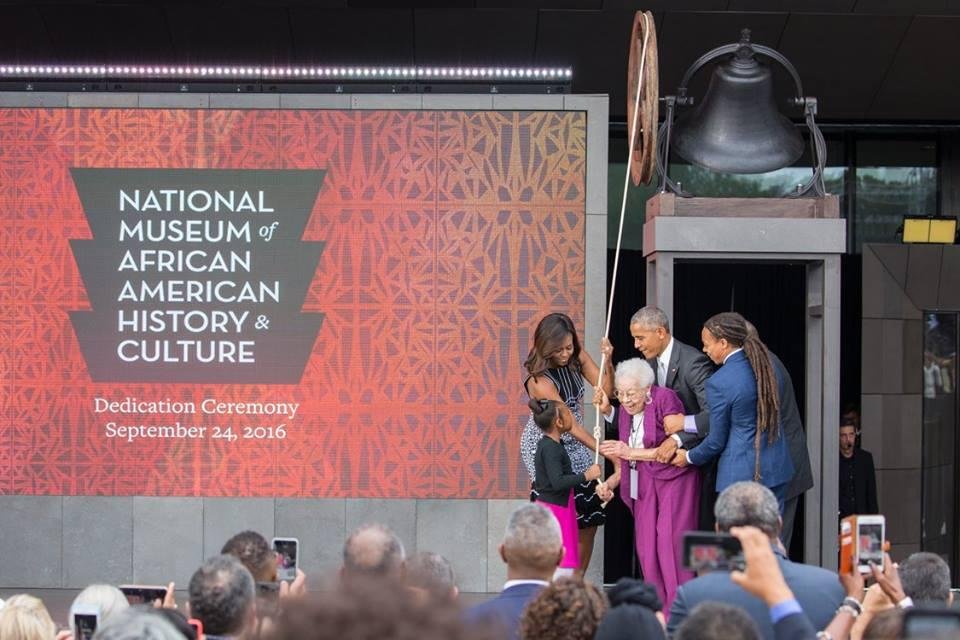
Ten Years of Preserving a People’s Journey
Over its first decade, NMAAHC has become one of the world’s most consequential institutions devoted to African American history and culture.
Today, its collection includes more than 45,000 artifacts documenting the remarkable breadth of African American life.
Those objects range from nationally significant artifacts connected to some of the most recognizable people and events in American history to deeply personal objects that illuminate the experiences of ordinary families and communities.
Together, they demonstrate an important principle:
History is not made only by presidents, generals, laws, and famous leaders. History is also carried through families, neighborhoods, workplaces, churches, schools, music, art, photographs, letters, traditions, and everyday lives.
Through exhibitions, scholarship, educational programs, digital resources, and partnerships with institutions across the country, NMAAHC has dramatically expanded opportunities for people to encounter African American history.
But perhaps its greatest impact cannot be measured by the number of visitors who have walked through its doors or the number of objects preserved in its collections.
Its deeper achievement is helping to transform where Black history sits within America’s understanding of itself.
Black History Is American History
To understand the United States, we must understand the African American experience.
We cannot fully understand American democracy without understanding the generations of Black Americans who fought to participate in it.
We cannot understand the nation’s economy without understanding slavery, Black labor, entrepreneurship, and the economic barriers Black Americans confronted and overcame.
We cannot understand American music without understanding the extraordinary influence of Black creativity.
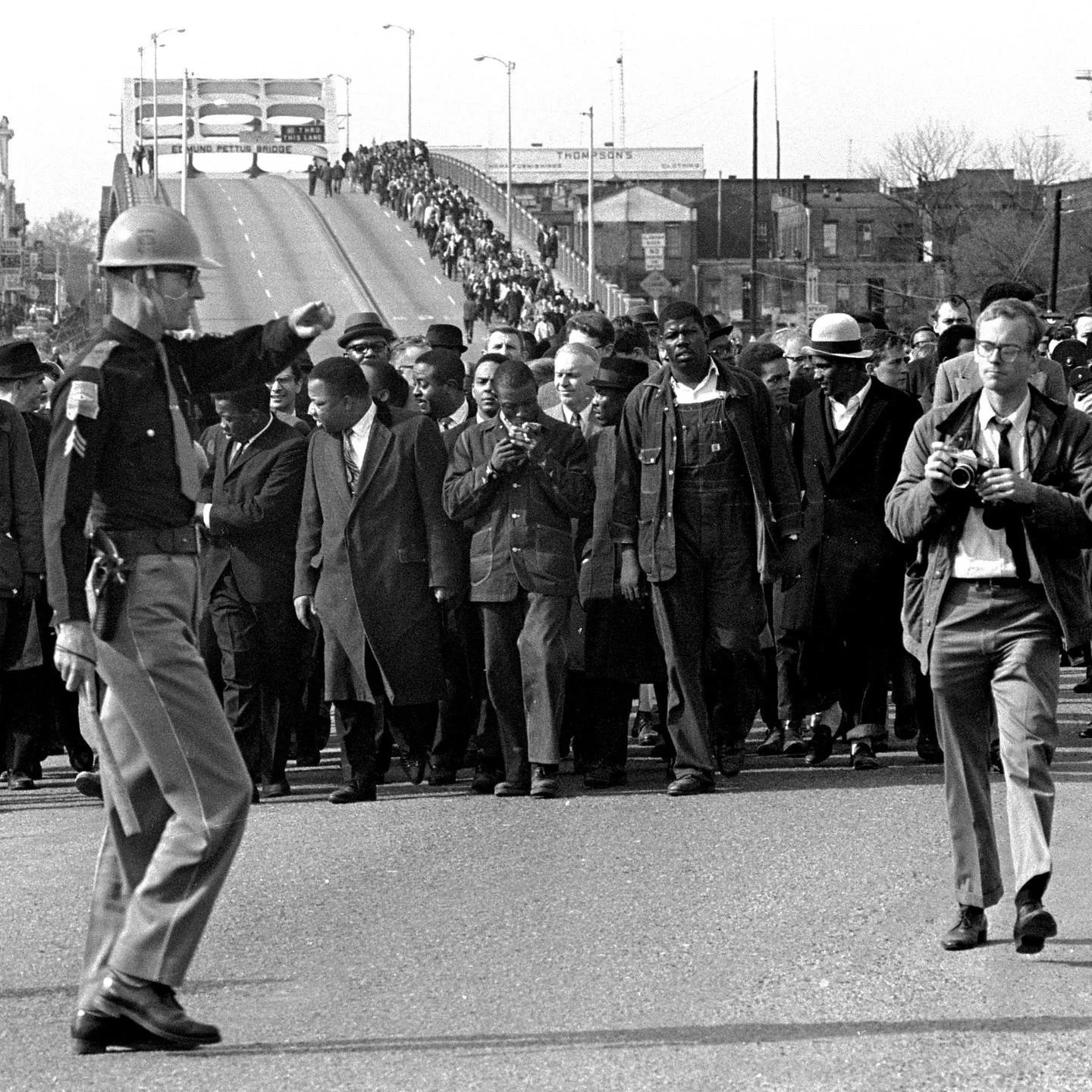
We cannot understand the struggle for civil and human rights without understanding the people who demanded that America’s promises of liberty and equality apply to everyone.
And we cannot fully understand American freedom without understanding both those who were denied it and those who continually pushed the nation to expand it.
NMAAHC gives those histories a permanent home within America’s national landscape.
Why This Is a Freedom Day
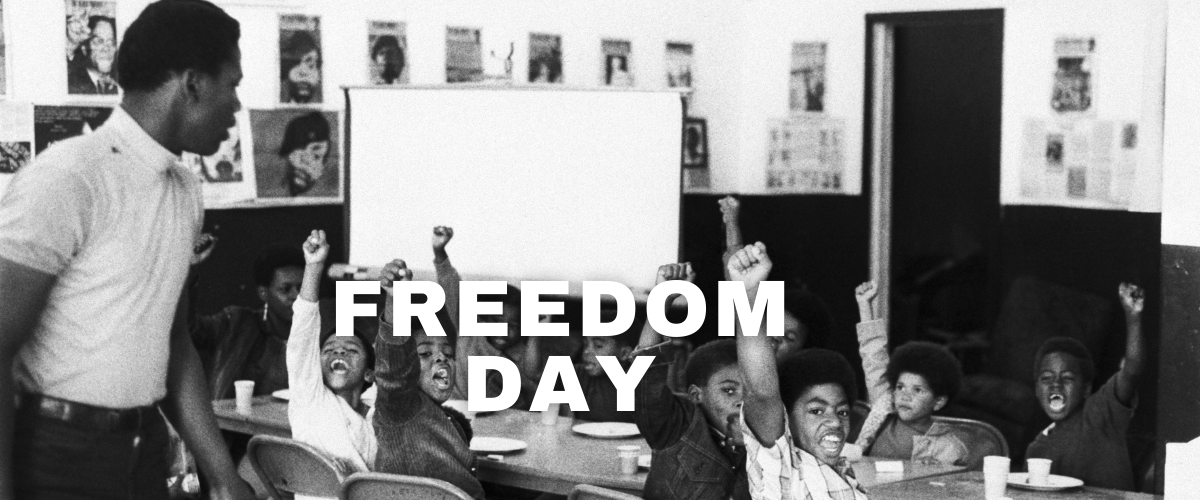
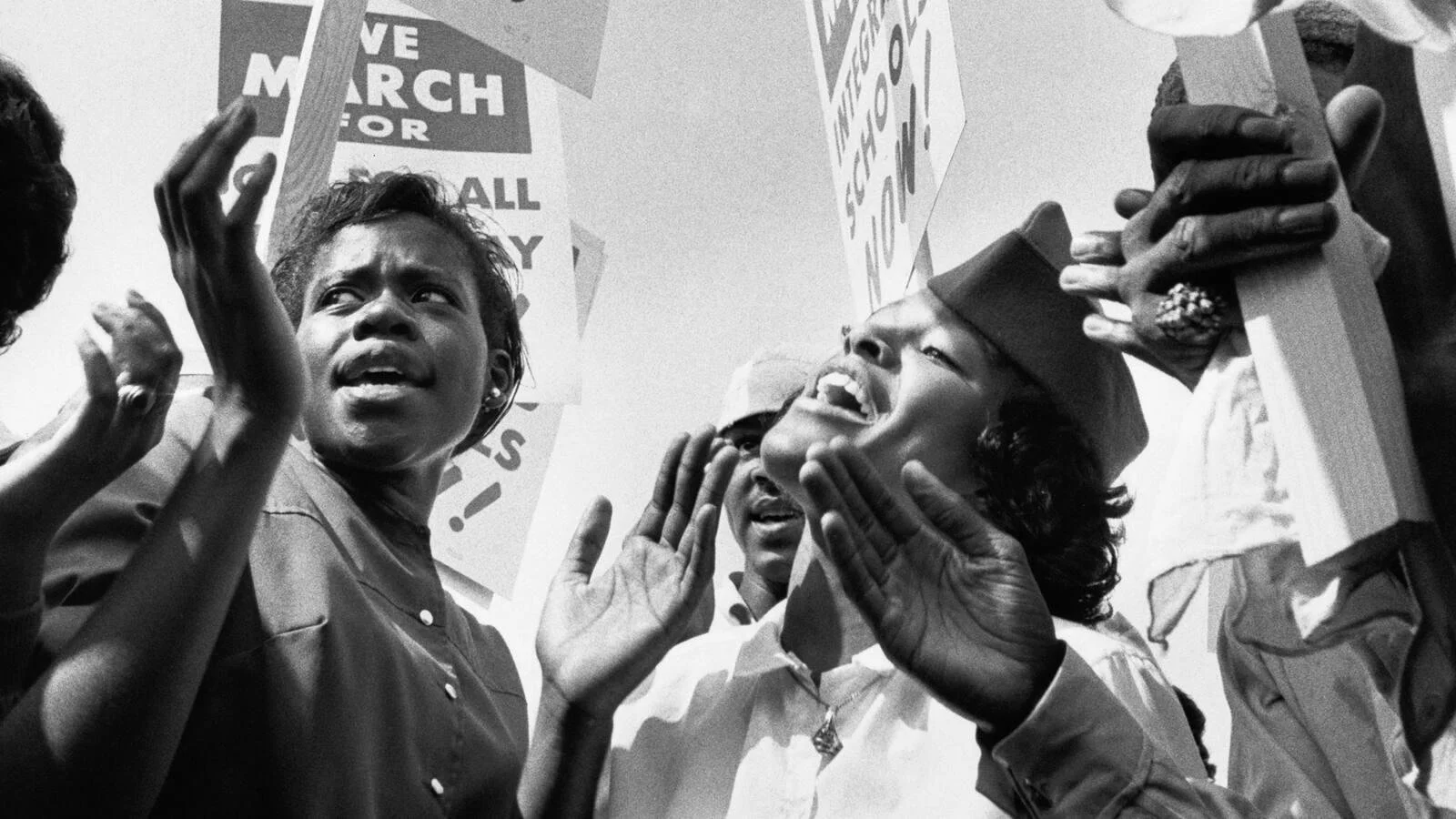
NAAM’s Freedom Day recognizes moments that helped advance civil and human rights and expand the meaning of freedom.
Sometimes those moments occur through legislation.
Sometimes they happen in courtrooms.
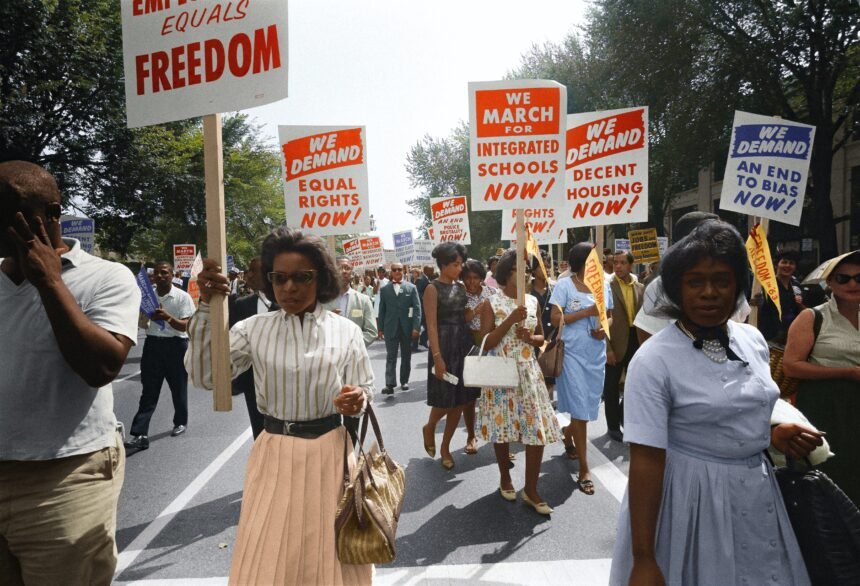
Sometimes they happen on bridges, buses, campuses, battlefields, at ballot boxes, or in the streets.
And sometimes freedom advances because people refuse to allow history to disappear.
Freedom requires truth.
A society cannot fully understand injustice if it does not understand the history that produced it.
Freedom requires memory.
If we forget the people who struggled to expand democracy and human rights, we risk forgetting how those freedoms were achieved.
Freedom requires preservation.
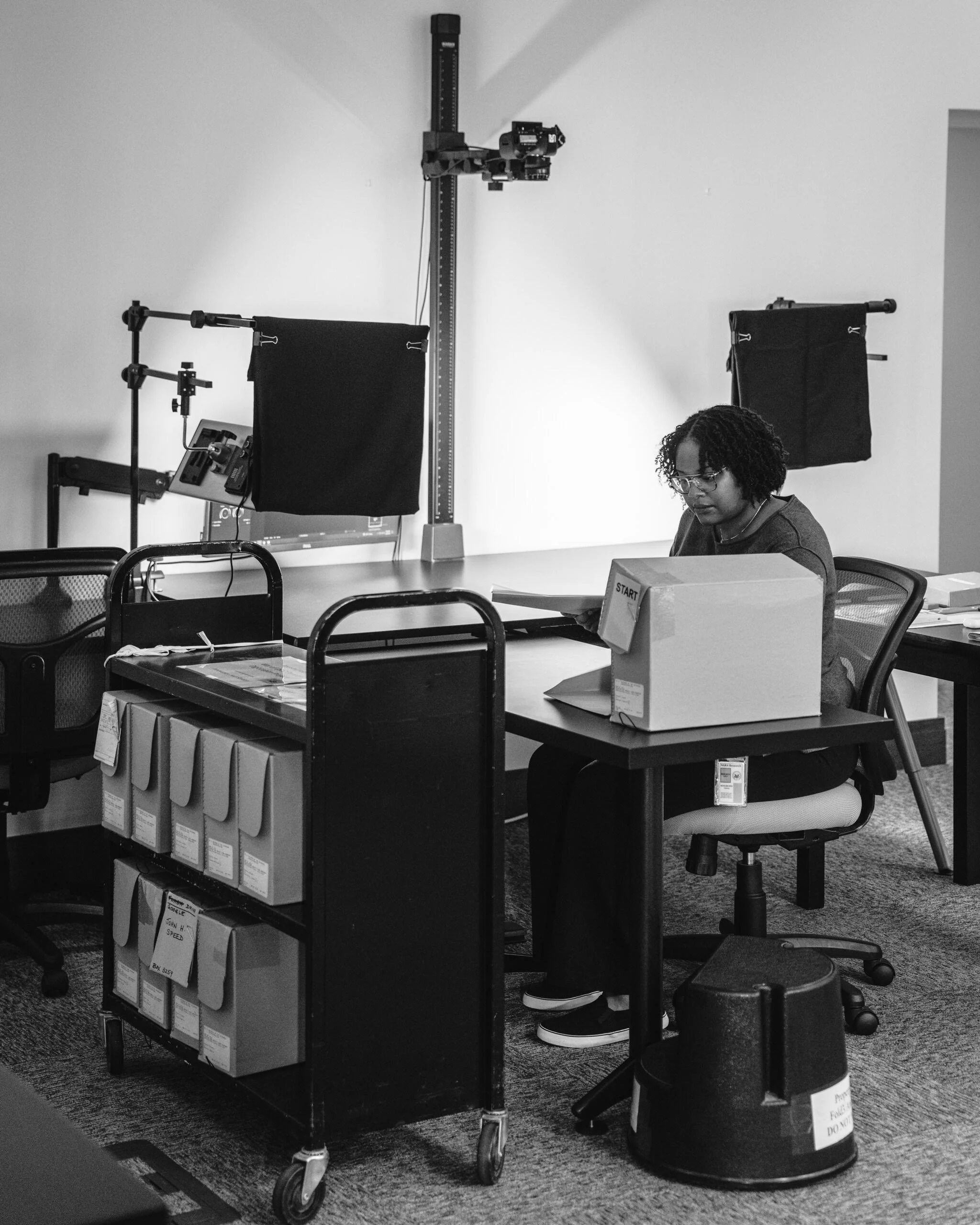
Photographs, documents, artifacts, buildings, oral histories, and family stories provide evidence of lives and experiences that might otherwise disappear.
Freedom requires education.
Each generation must have access to the knowledge necessary to understand the world it has inherited.
That is why museums matter.
At their best, museums do more than preserve the past.
They preserve evidence.
They protect memory.
They confront erasure.
They expand understanding.
And they help each generation decide what lessons from the past it will carry into the future.
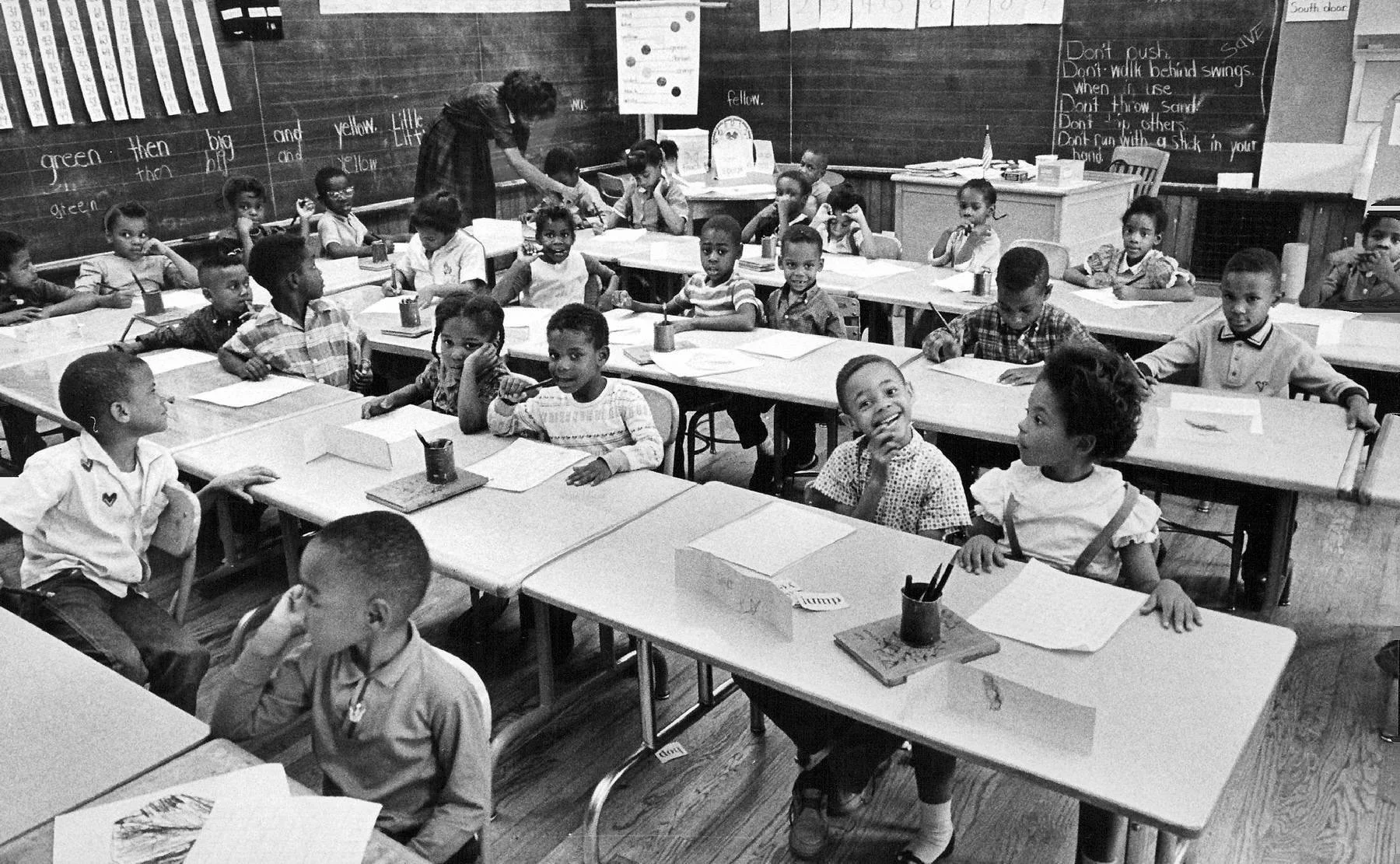
NMAAHC and NAAM: National Memory, Regional Memory, Shared Responsibility
NMAAHC’s 10th anniversary also reminds us that no single museum can preserve the entirety of the African American experience.
NMAAHC carries an extraordinary national responsibility.
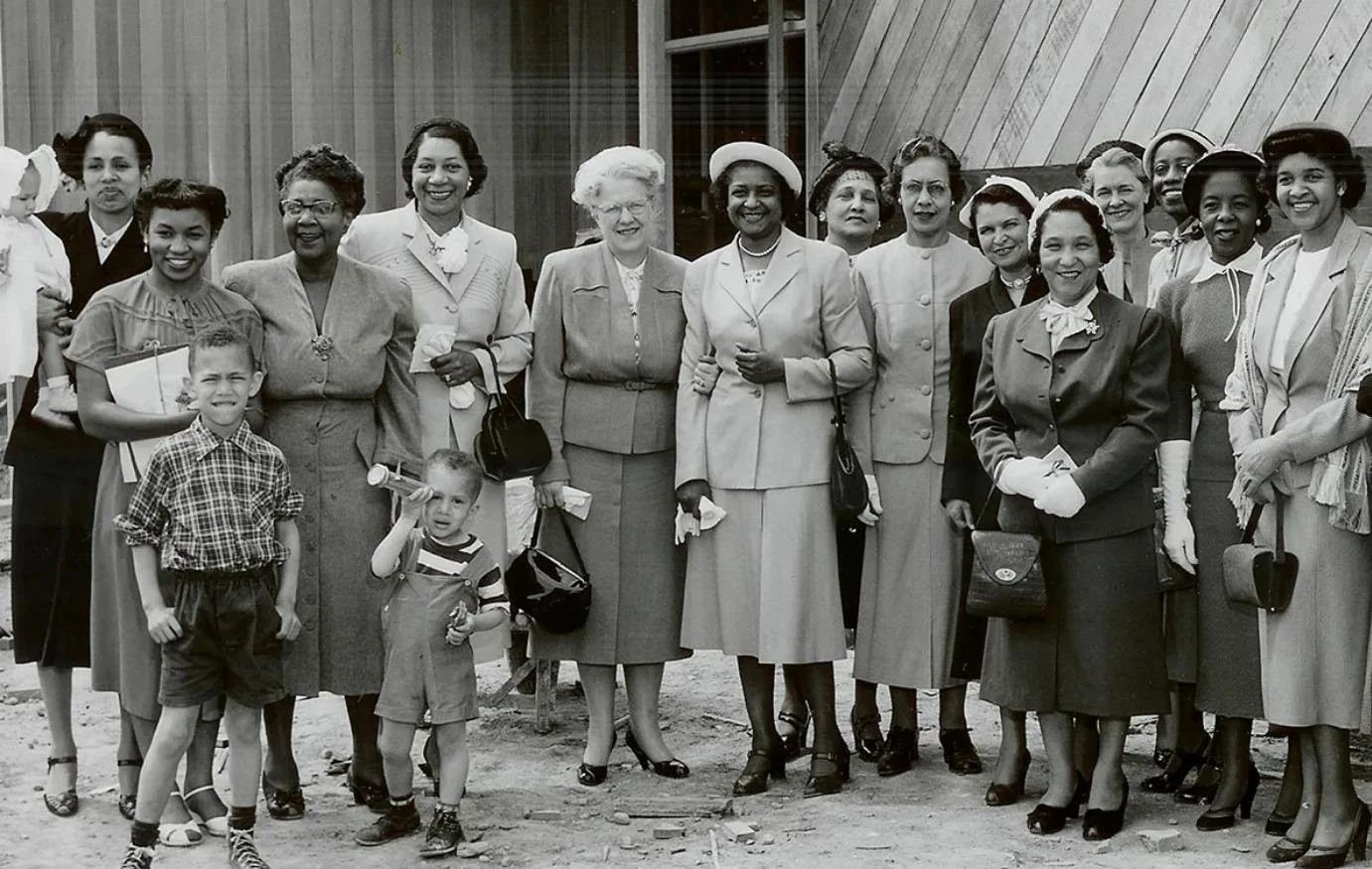
But across America, Black museums, historic sites, archives, libraries, churches, historically Black colleges and universities, community organizations, families, and regional institutions carry pieces of this history.
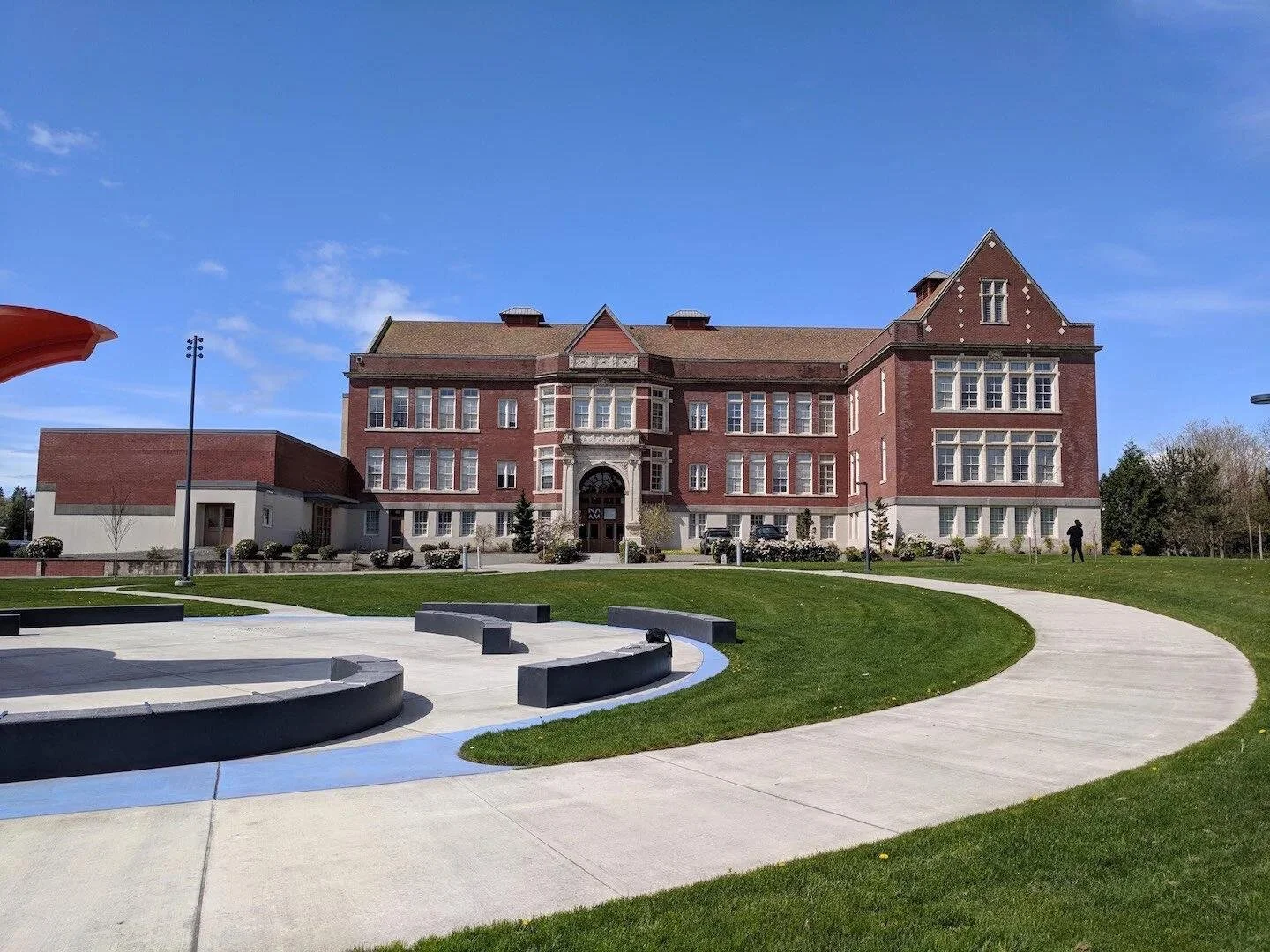
Here in the Pacific Northwest, NAAM shares in that responsibility.
The experiences of Black pioneers, families, workers, entrepreneurs, artists, musicians, educators, veterans, activists, and community builders across this region are part of the larger American story.
Preserving those histories ensures that future generations understand not simply that Black people lived in the Pacific Northwest—but how they helped shape it.
NMAAHC preserves our national memory.
NAAM preserves an essential part of our regional memory.
Together with Black cultural institutions across the country, we share a responsibility to ensure that the breadth of Black history is preserved, protected, studied, and passed forward.
Why It Matters Today
History does not preserve itself.
Someone saves the photograph.
Someone records the oral history.
Someone protects the document.
Someone preserves the building.
Someone collects the artifact.
Someone researches the story.
Someone teaches the child.
Someone builds the museum.
And each generation ultimately makes a choice about whether the history entrusted to it will be remembered or forgotten.
The 10th anniversary of the National Museum of African American History and Culture reminds us that establishing such an institution required more than a century of persistence.
Its existence today represents the work of generations who understood that Black Americans deserved not only a place in the nation’s history—but the ability to help preserve, interpret, and tell that history.
Their work continues.
And so does ours.
History preserved becomes memory.
Memory shared becomes understanding.
Understanding can inspire action.
And action can move us closer to freedom.
A Conversation between Dr. Quintard Taylor and Smithsonian Secretary Lonnie Bunch (2022)
Did You Know?
A Century in the Making